CCSE · Spanish citizenship
Constitutional and sociocultural knowledge of Spain (CCSE)
The 25-question test on the Constitution, institutions, culture, history and society that you need, together with a Spanish language certificate, to apply for Spanish nationality.
The CCSE (Conocimientos Constitucionales y Socioculturales de España) is the test of constitutional and sociocultural knowledge that most people who apply for Spanish nationality by residence must pass. It is run by the Instituto Cervantes on behalf of the Spanish government.
It is a computer test of 25 multiple-choice questions in Spanish, with 45 minutes to answer. Fifteen questions are about government, legislation and civic participation, and ten about culture, history and society. You pass with 15 right answers, and a wrong answer does not take points away.
Here you can read a guide to each of the eight topics of the CCSE, study the questions and take a timed practice exam. The questions are original Asagno questions on the same topics as the official manual, in Spanish with English and Arabic help.
The CCSE is only the knowledge test. For nationality you usually also need a Spanish language certificate (DELE A2), which is a different exam: practise Spanish itself with the practice exams. Practise Spanish exams
The exam at a glance
Questions
25 (15 government + 10 culture), 3 options or true/false
Time
45 minutes
To pass
15 correct answers (60%)
Organiser
Instituto Cervantes, at its centres and accredited centres
Also needed
A Spanish language certificate (DELE A2) for nationality by residence
Fee
Set by the Instituto Cervantes: check before you register
Practise
Study the questions first, then take the timed practice exam to see where you stand.
Study the questions
Every question of the practice bank with its answer, by topic. Check yourself, reveal the answer and mark what you don’t know yet.
Timed practice exam
25 questions drawn at random from the bank, with the real exam’s time limit and pass mark.
Coming soon
What the exam covers
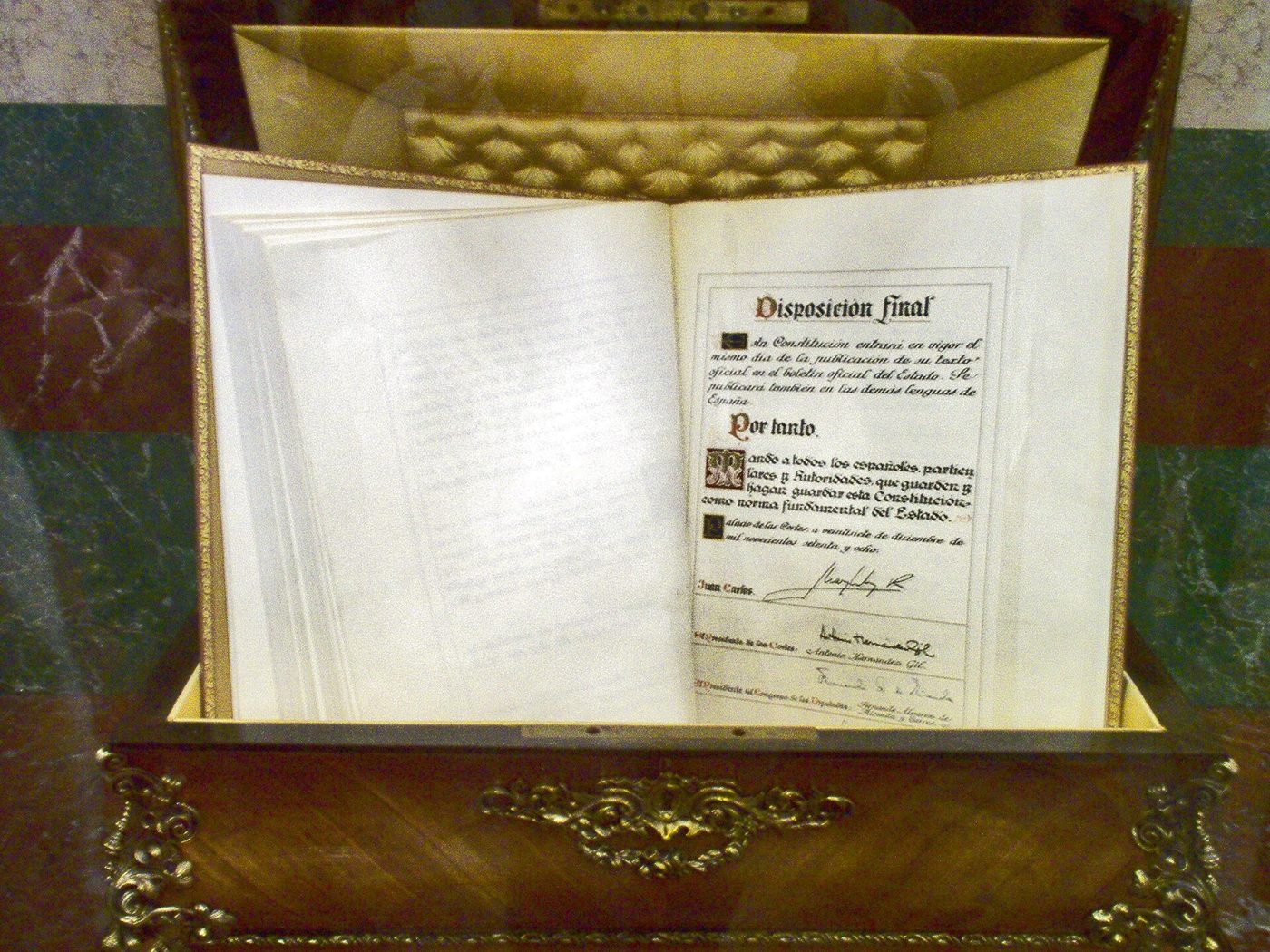 The Constitution1978, the Transition, values, structure, reformRead the guide
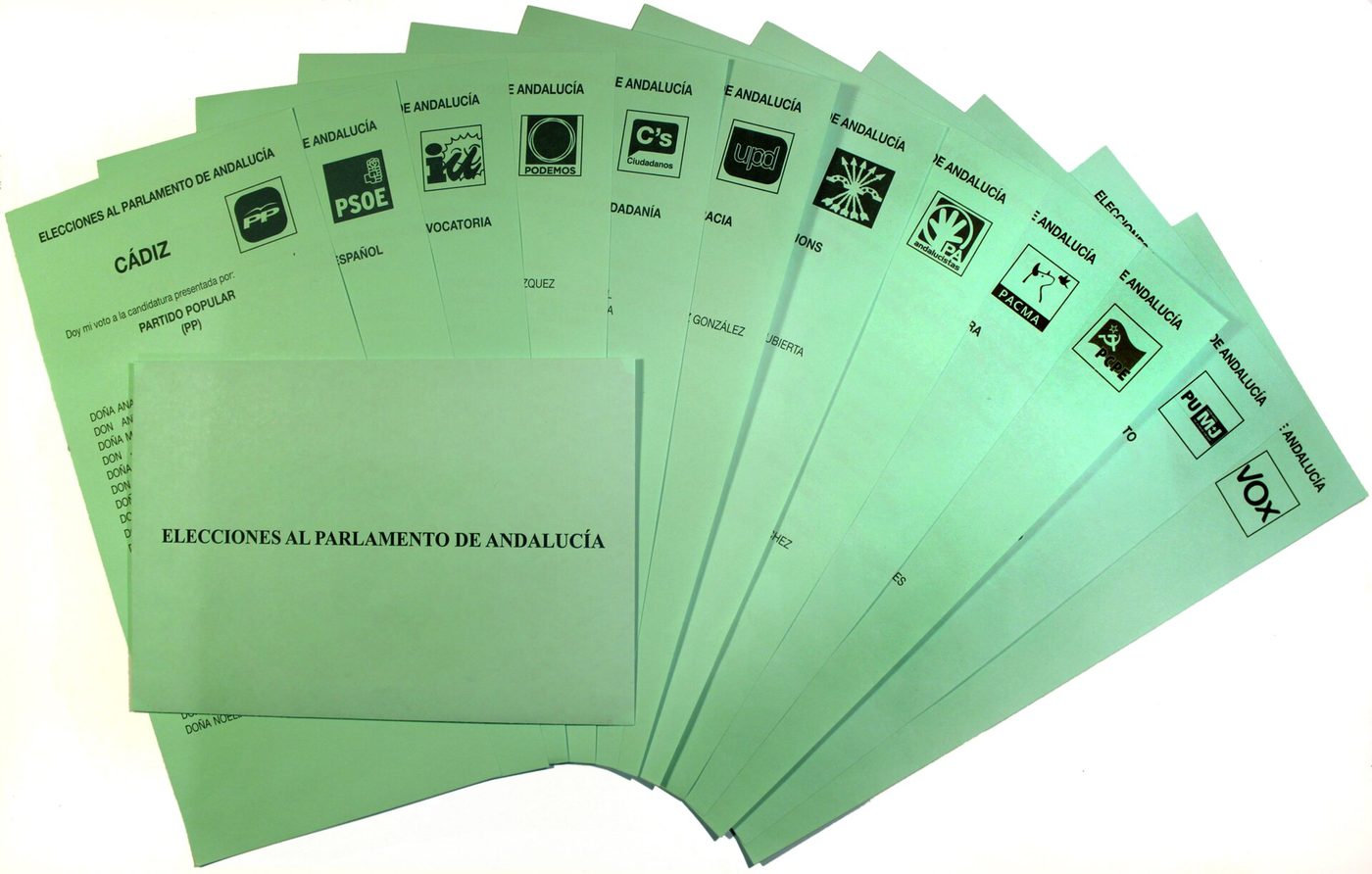 Rights, duties and participationFundamental rights, voting, protection, nationalityRead the guide
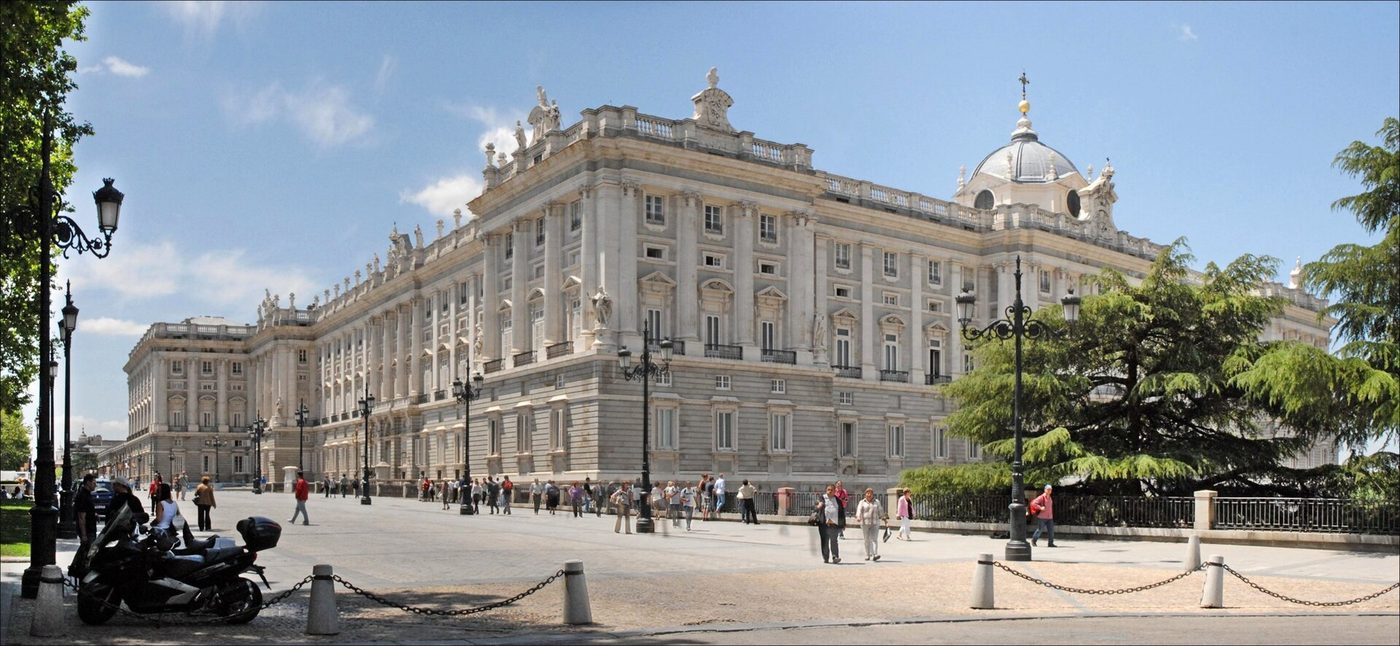 Institutions of the StateThe King, the Cortes, the Government, the courtsRead the guide
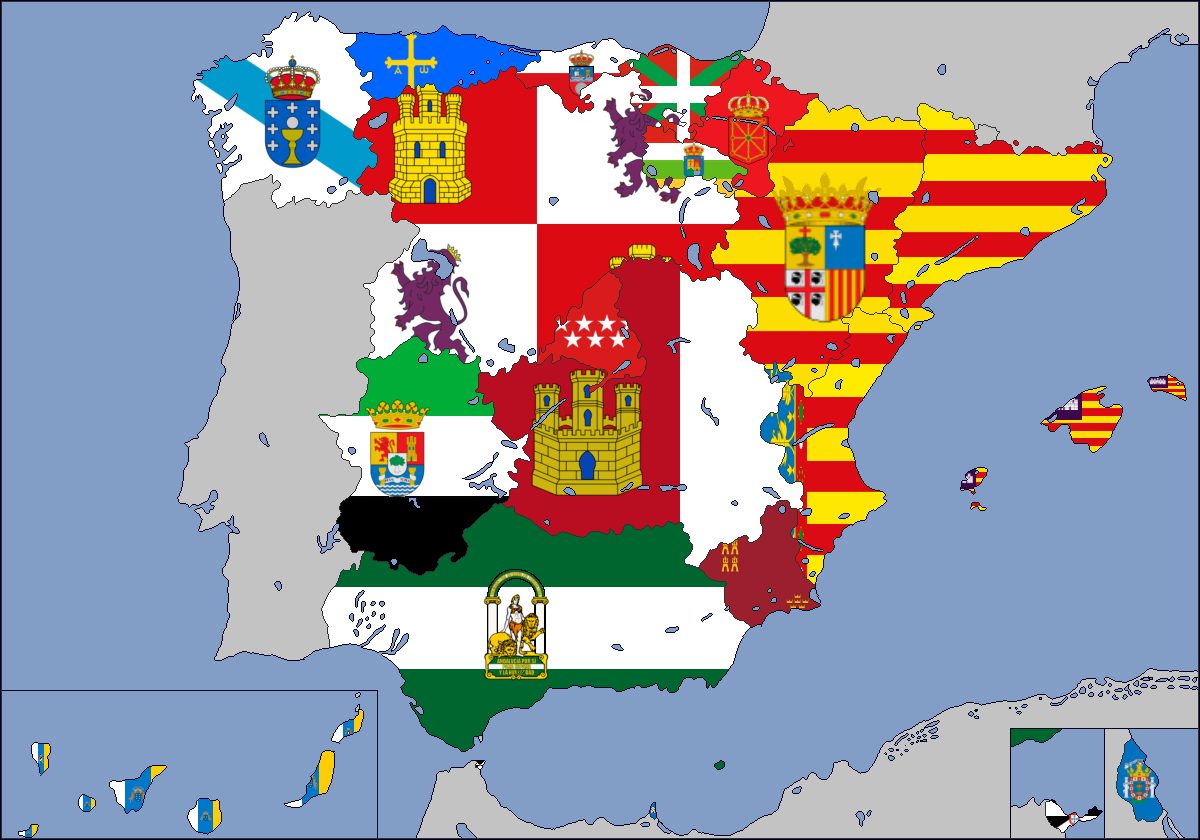 Territorial organisationAutonomous communities, provinces, municipalities, languagesRead the guide
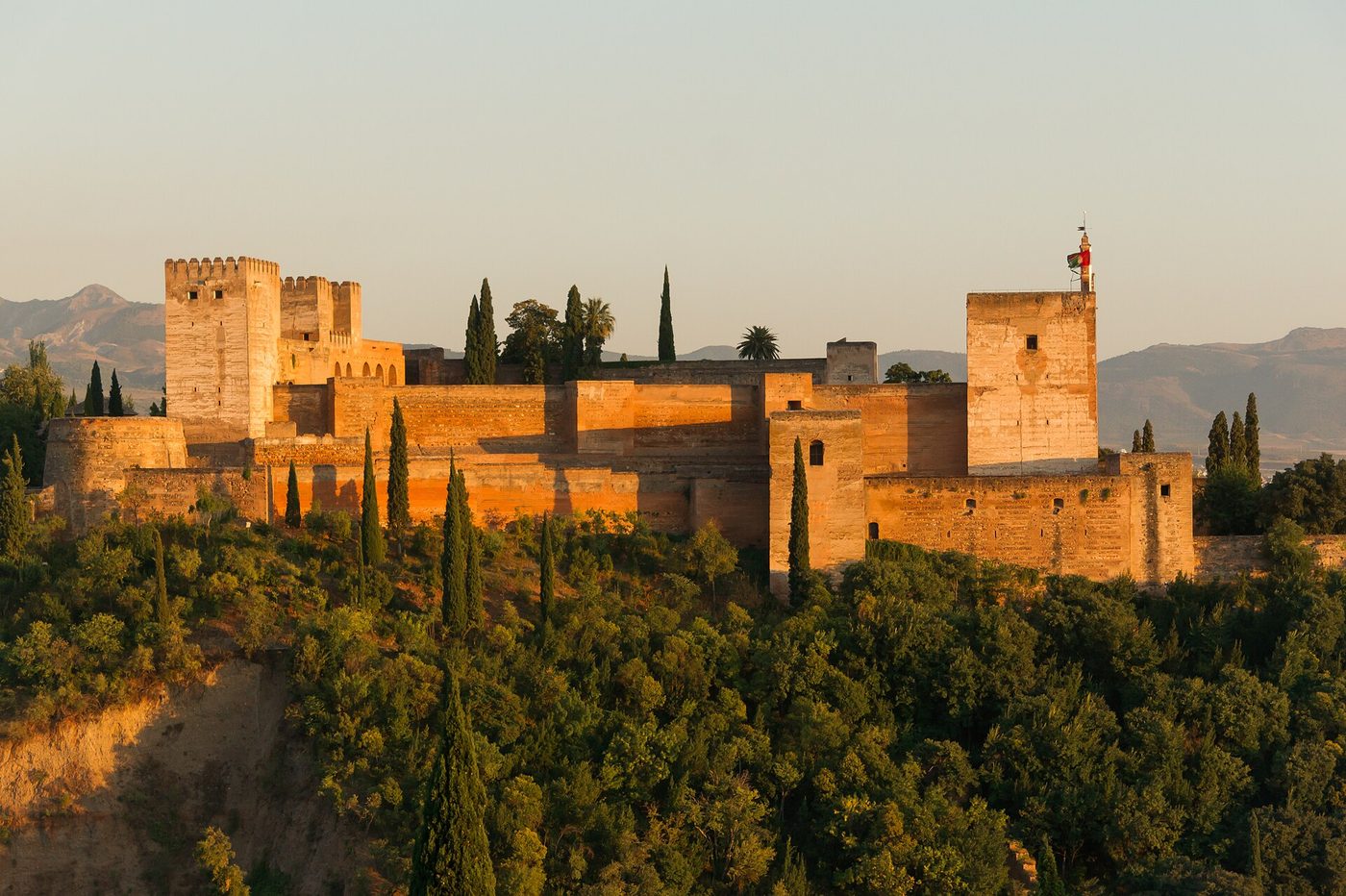 HistoryRomans, Al-Andalus, 1492, the Civil War, the TransitionRead the guide
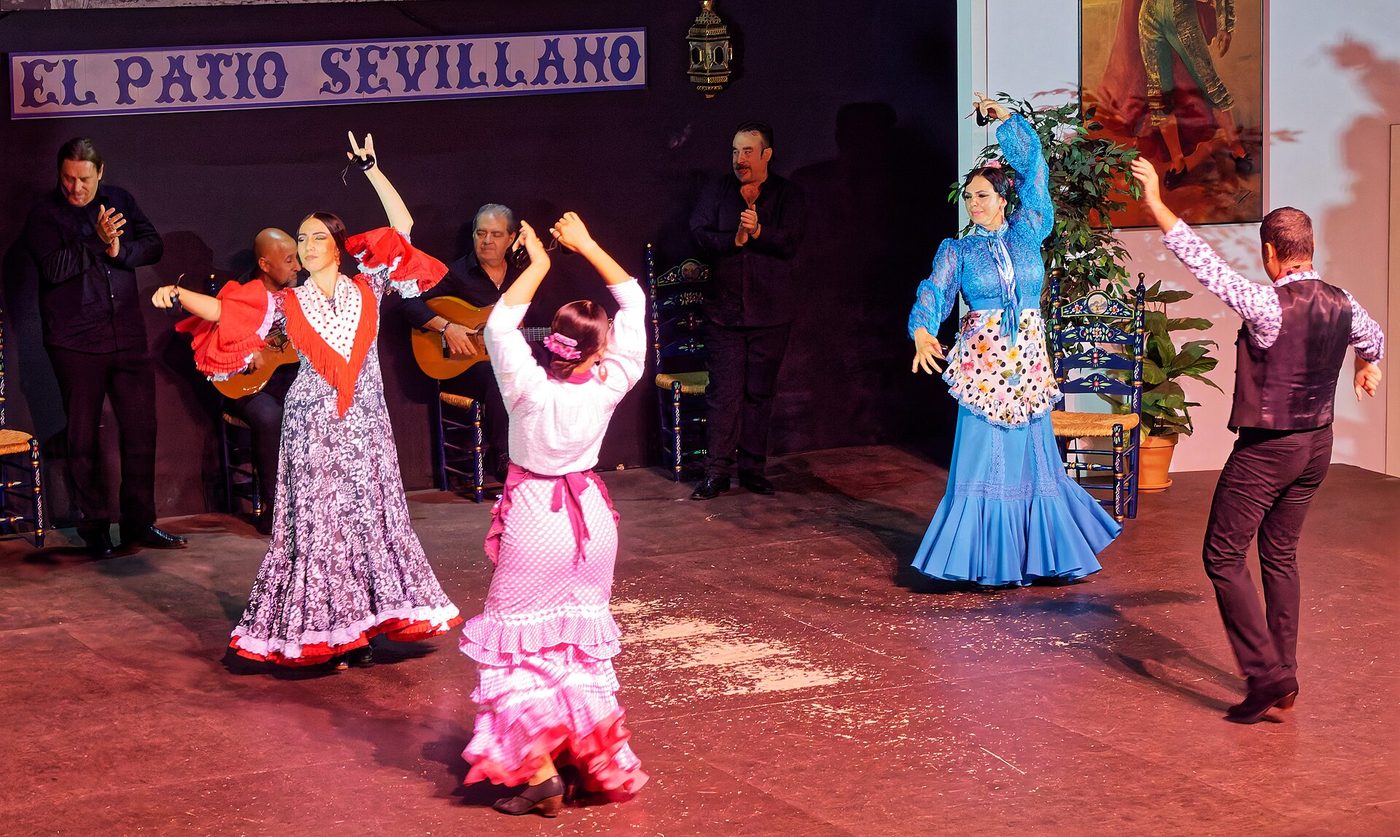 Culture and traditionsWriters, painters, flamenco, festivals, foodRead the guide
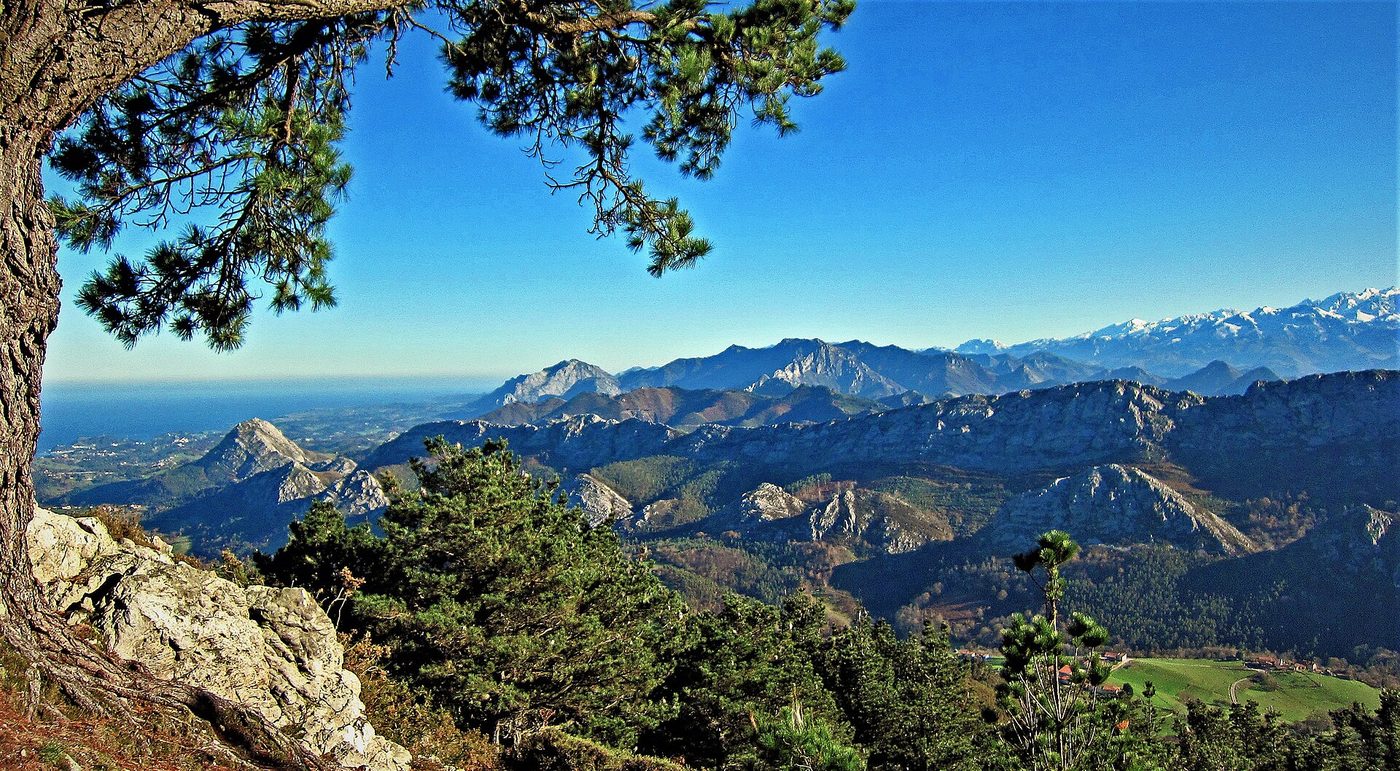 GeographyBorders, mountains, rivers, islands, climateRead the guide
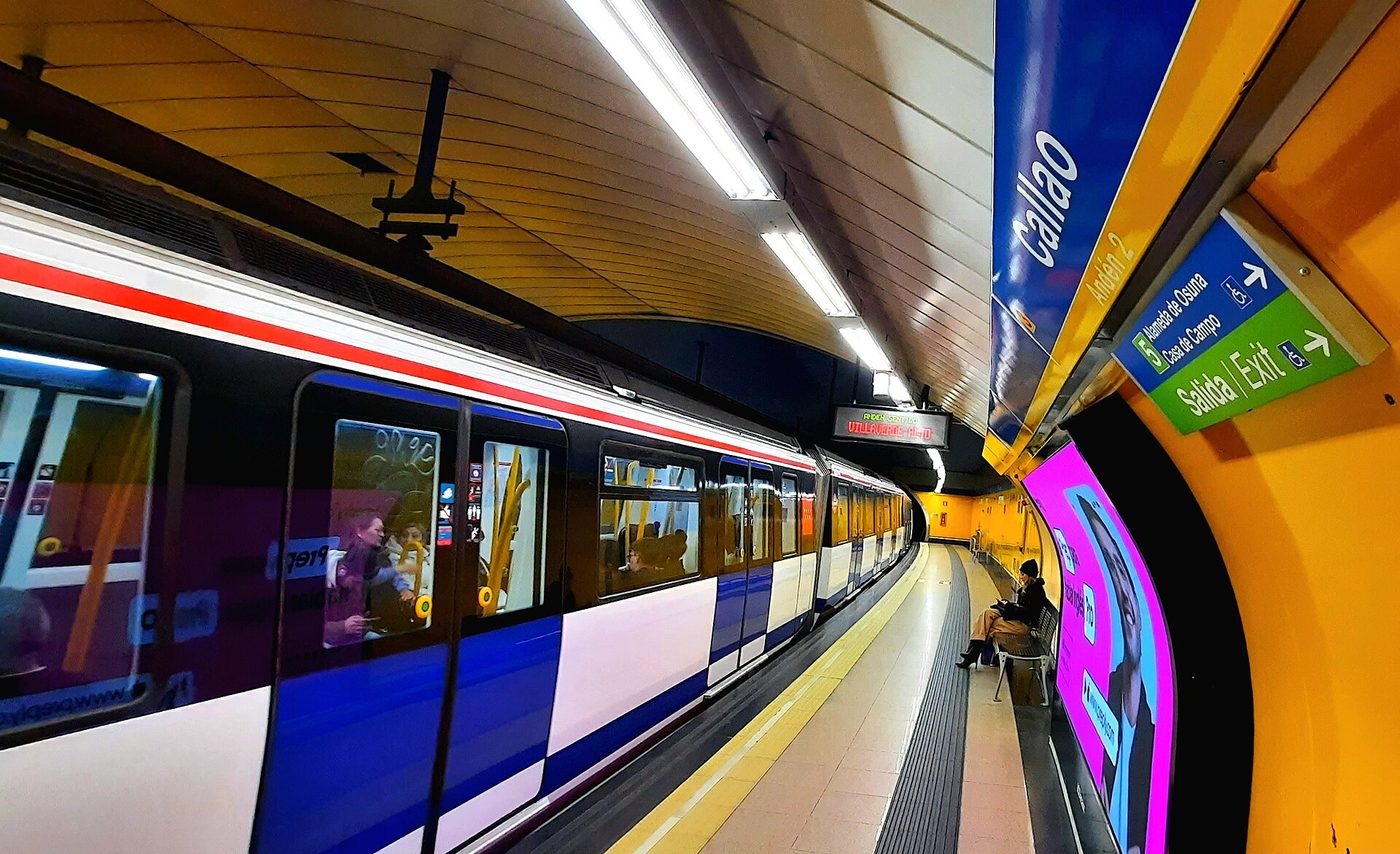 Society and daily lifeHealth care, school, work, transport, proceduresRead the guide
Photo credits
- The Spanish Constitution of 1978: Photo: miguelazo84, CC BY-SA 3.0, via Wikimedia Commons
- Rights, duties and participation in Spain: Photo: Falconaumanni, Public domain, via Wikimedia Commons
- The institutions of the Spanish State: Photo: Jean-Pierre Dalbéra, CC BY 2.0, via Wikimedia Commons
- How Spain is organised: communities, provinces and municipalities: Photo: MrRendonMC, CC0, via Wikimedia Commons
- The history of Spain: Photo: Jebulon, CC0, via Wikimedia Commons
- Culture and traditions of Spain: Photo: Holger Uwe Schmitt, CC BY-SA 4.0, via Wikimedia Commons
- The geography of Spain: Photo: Coralma*, CC0, via Wikimedia Commons
- Society and daily life in Spain: Photo: Carlitos Manuel Ronquillo Ordóñez, CC0, via Wikimedia Commons
All photos are public domain or freely licensed (CC0, CC BY, CC BY-SA). Every guide shows the credit of each of its photos.
Guides
- The Spanish Constitution (La Constitución española)The Spanish Constitution of 1978 for the CCSE: the parliamentary monarchy, the higher values, sovereignty, the flag and anthem, fundamental rights and duties, with a real practice question in Spanish.The ConstitutionRights, duties and participationRead the guides
- The institutions of the State (Instituciones del Estado)The King, the Cortes Generales, the Government, the Constitutional Court, the Ombudsman and the courts: the institutions of Spain for the CCSE, with a real practice question in Spanish.Institutions of the StateRead the guides
- Autonomous communities, provinces and municipalitiesThe 17 autonomous communities and 2 autonomous cities, provinces, municipalities, co-official languages and the capitals of the main regions: territorial organisation for the CCSE.Territorial organisationGeographyRead the guides
- History, culture and society of SpainAl-Andalus, 1492, the Golden Age, the Civil War, the Transition, art, literature, festivals, food, geography and daily life in Spain: the culture, history and society block of the CCSE.HistoryCulture and traditionsSociety and daily lifeRead the guides
How it works, step by step
Check that you need the CCSE
The CCSE is part of the file for nationality by residence, but not everybody has to take it. Start by confirming your own case, so that you do not pay for a test you do not need, or miss one you do.
- Read the requirements for nationality by residence on the website of the Ministry of Justice: years of legal residence, good conduct and integration.
- Most applicants must show the CCSE and a Spanish certificate (DELE A2). Nationals of Spanish-speaking countries do not need the language test, but they usually still need the CCSE.
- Some people are exempt from the CCSE, for example people under 18 or with a legal incapacity, or with limited education or a disability that is certified. Check the exact rule for your case.
- If you are unsure, ask a lawyer or the Ministry of Justice; do not decide from forums.
Know the format of the test
The test has five tasks. Knowing how they are built means there are no surprises on the day.
- 25 questions in total: 15 on government, legislation and civic participation, and 10 on Spanish culture, history and society.
- The questions have three options, or are true or false, and some of them come with a picture or a short text.
- You have 45 minutes and you need 15 right answers (60%). Wrong answers do not subtract points, so never leave a question empty.
- The test is in Spanish, but it uses simple language: it tests what you know, not how well you write.
Download the official manual
The Instituto Cervantes publishes a free manual with all the content that can come up. It is the main source of the test.
- The manual is divided into the five tasks: government and civic participation, rights and duties, organisation and territory, culture and history, and society.
- Read it once through to get the whole picture, then go back to the parts you do not know.
- Use our guides next to it: they explain the same content in English and Arabic, with the Spanish words you will see in the questions.
Read the eight topic guides
Our guides cover the eight topics of the bank: the Constitution, rights and participation, institutions, territory, history, culture, geography and society.
- Each guide has photos, short sections, a list of Spanish words with their meaning and a box of things to remember.
- Read one guide a day. Eight guides in eight days is a good rhythm for most people.
- The guides about the Constitution, rights and institutions are the most important because they match the 15 questions on government.
Learn the key numbers and dates
Many CCSE questions are about a number, a name or a date. They are easy points if you have learned them, and impossible to guess if you have not.
- Dates: 1492, 1936–1939, 1975, 6 December 1978, 1 January 1986.
- Numbers: 350 deputies, 17 autonomous communities and 2 autonomous cities, 50 provinces, 4-year terms, vote from 18.
- Names: the King Felipe VI, Cervantes, Velázquez, Picasso, Gaudí, the Teide, the river Tajo.
- Write them on cards and review them every day.
Study the questions by topic
After each guide, study the questions of that topic. You see the question in Spanish, with the English or Arabic help under it, and you can mark the ones you do not know.
- Open the study page from the guide: it goes straight to the questions of that topic.
- Mark the questions you got wrong or guessed, then check them again two or three days later.
- Do not memorise the letter of the answer: the practice exam changes the order of the options.
Take the timed practice exam
When you have read the guides and studied the questions, take the practice exam in the same conditions as the real one.
- 25 questions, 45 minutes, with a timer. Do it in one go, in a quiet place, without notes.
- You get the score and a review of every answer. Aim for at least 20 out of 25 to have a safe margin over the 15 needed.
- Repeat it until you pass several times in a row, then do not study new things on the last day.
Register with the Instituto Cervantes
You register online on the Instituto Cervantes site, choose a centre and a date, and pay the fee. Places can run out, so register early.
- There are test dates through the year at the centres of the Instituto Cervantes and at accredited centres, in Spain and in many other countries.
- The fee is set by the Instituto Cervantes and changes: look at the current amount on the site before you pay. The registration closes some days before the test.
- You need a valid identity document (passport, NIE or TIE): the name on it must be the same as in your registration.
- If you need adapted conditions because of a disability, ask when you register.
The day of the test
Arrive early, with the right document, and stay calm. The test is on a computer in a supervised room.
- Take your identity document and any confirmation of registration you were asked to bring. You cannot enter without ID.
- Phones and notes are not allowed in the room. Listen to the instructions of the staff.
- Answer every question: there is no penalty for a wrong answer. Do the easy ones first and come back to the hard ones.
- Keep an eye on the clock: 45 minutes are enough for 25 questions if you do not stay too long on one.
Results and what comes next
The result arrives after the test, in the way and in the time that the Instituto Cervantes announces. If you pass, you get a certificate that you add to your nationality application.
- The result is “apto” (pass) or “no apto” (fail). Keep the certificate: you will need it for the file.
- If you do not pass, you can sit the test again on a later date; you register and pay again, and you can use the review of your practice answers to see what to improve.
- Then you prepare the rest of the application: the language certificate if you need it, the criminal record certificates and the form, which you submit to the Ministry of Justice.
- Check the validity of your certificate, because the rules about how long it counts can change.
Questions people ask
What is the CCSE?
The CCSE is the test of constitutional and sociocultural knowledge of Spain. Most people who apply for Spanish nationality by residence must pass it. It is run by the Instituto Cervantes and has 25 questions.
How many questions are there, and how many must I get right?
There are 25 questions: 15 on government, legislation and civic participation, and 10 on culture, history and society. You pass with 15 right answers, which is 60%. A wrong answer does not take points away, so answer them all.
How long does the test last?
You have 45 minutes for the 25 questions. That is about 1 minute and 45 seconds for each, which is enough if you do not stay too long on a single one.
Is the test in Spanish only?
Yes. The language is simple, but you must read the questions in Spanish. That is why we show the Spanish text first, with English or Arabic help under it. Use the help only to check that you understood.
Are these the official questions?
No. The questions here are original Asagno questions on the same topics as the official manual of the Instituto Cervantes. The manual lists the content that can be asked, so use both: the manual for what to know and Asagno to practise it.
Do I need the CCSE and a language test?
For nationality by residence, most applicants need both: the CCSE and a Spanish certificate, usually DELE A2. People from Spanish-speaking countries are normally exempt from the language test but still take the CCSE. Check the Ministry of Justice for your case.
Who is exempt from the CCSE?
There are exemptions, for example for minors, for people with a legal incapacity and, in some cases, for people with limited education or a certified disability. The rules are personal and can change, so ask the Ministry of Justice instead of deciding by yourself.
How much does the test cost?
The Instituto Cervantes sets the fee and it can change, so look at the current amount on its website when you register. You pay for each attempt, and an accredited centre can have a different price.
Where and when can I take it?
You can take it at the centres of the Instituto Cervantes and at accredited centres, in Spain and in many other countries, on dates published on its website throughout the year. Choose your centre and date when you register.
What happens if I fail?
You can take the test again on another date. You register and pay again. Use the review of your practice answers to see which topics you must study more before you try again.
How long should I study?
For most people two to four weeks of regular study is enough: one guide a day, then the questions and then several practice exams. If your Spanish reading is weak, give yourself more time for the vocabulary.
Which topics are the most important?
Fifteen of the 25 questions are about government and civic participation, so the Constitution, rights and participation, institutions and territory are the most important. But the other ten, on culture, history and society, are the easiest to win if you learn the names and dates.
Is the CCSE the same as the DELE?
No. The DELE is an exam of the Spanish language, also from the Instituto Cervantes (level A2 is the one usually asked for nationality). The CCSE tests what you know about Spain, not your language. Asagno has practice for both.
Can the practice exam replace the manual?
No. The practice exam shows you how the test feels and where you are weak, but the official manual is the source of the content. Read the guides and the manual, then use the practice exam to check yourself.
Official sources
Rules and dates follow the official sources at the time of writing; always check them before you register. Asagno is not affiliated with the Instituto Cervantes or the Spanish government.
Learn the language from zero
Courses that build the vocabulary and grammar you need, level by level.