CCSE topic guide
The institutions of the State (Instituciones del Estado)
The King, the Cortes Generales, the Government, the Constitutional Court, the Ombudsman and the courts: the institutions of Spain for the CCSE, with a real practice question in Spanish.
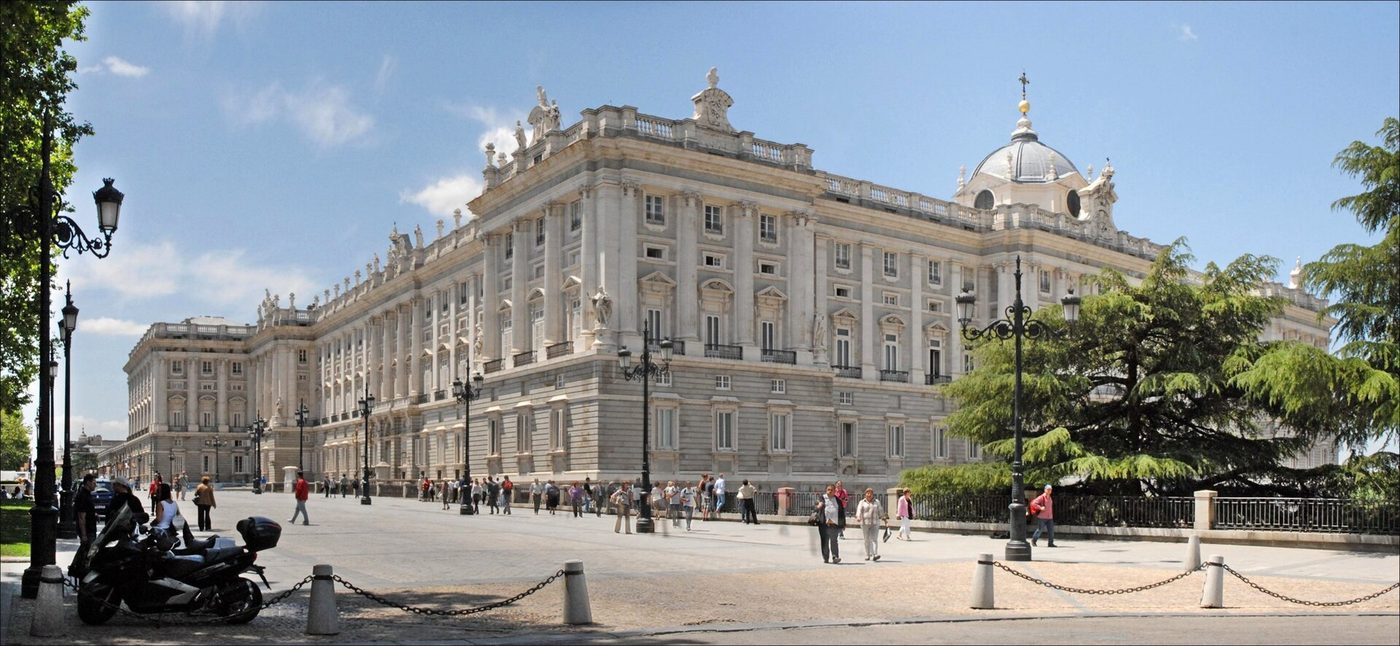
Who makes the laws, who governs and who judges? The institutions of the State are one of the most asked topics of the CCSE, and the answers are the same every time: the King, the Cortes Generales, the Government and the judges.
The guide explains each institution with its number and name: the King Felipe VI, the 350 deputies of the Congress, the Senate, the President of the Government and the Council of Ministers, the Supreme Court and the Constitutional Court, and the separation of the three powers.
The institutions of the Spanish State
The King, the Cortes Generales, the Government, the courts and the bodies that check them.
What each guide covers
- The Crown: the KingThe King is the head of State.
- The Cortes Generales: Congress and SenateThe Cortes Generales represent the Spanish people.
- The GovernmentThe Government directs the policy of the country, the civil administration and the defence.
- The judiciary and the courtsJustice comes from the people and is administered by independent judges.
- Separation of powersThe idea behind all this is that power is divided so that no single person or body has all of it.
Remember for the exam
- The King (Felipe VI, since 2014) is the head of State but does not govern; his acts must be approved by the Government.
- Cortes Generales = Congress of Deputies (350) + Senate (territorial chamber); four-year term; they make the laws.
- The President of the Government is invested by the Congress; the Council of Ministers works from the Moncloa.
- Judges are independent; the Supreme Court is the highest; the Constitutional Court checks the laws.
- Three powers: legislative (Cortes), executive (Government), judicial (judges).
A sample question from the bank
Pregunta: ¿Qué dos cámaras forman las Cortes Generales? Respuesta: El Congreso de los Diputados y el Senado.
Pregunta: ¿Qué institución defiende los derechos de los ciudadanos frente a la Administración? Respuesta: El Defensor del Pueblo.
Questions people ask
Does the King sign the laws?
He sanctions and promulgates them, but the laws are made by the Cortes Generales and the Government directs policy. The CCSE asks you to know the difference.
How many deputies are in the Congress?
350.
Does the King govern Spain?
No. Spain is a parliamentary monarchy: the King is the head of State and a symbol of unity, but the Cortes make the laws and the Government governs. Every act of the King has to be approved by the Government.
What is the difference between the Congress and the Senate?
The Congress of Deputies has 350 members elected by the people and is the main chamber: it chooses the head of the Government and has the last word on most laws. The Senate represents the territories and can propose changes.
More guides


Ready to practise?
Study the questions by theme, then take the timed practice exam.