CCSE topic guide
The Spanish Constitution (La Constitución española)
The Spanish Constitution of 1978 for the CCSE: the parliamentary monarchy, the higher values, sovereignty, the flag and anthem, fundamental rights and duties, with a real practice question in Spanish.
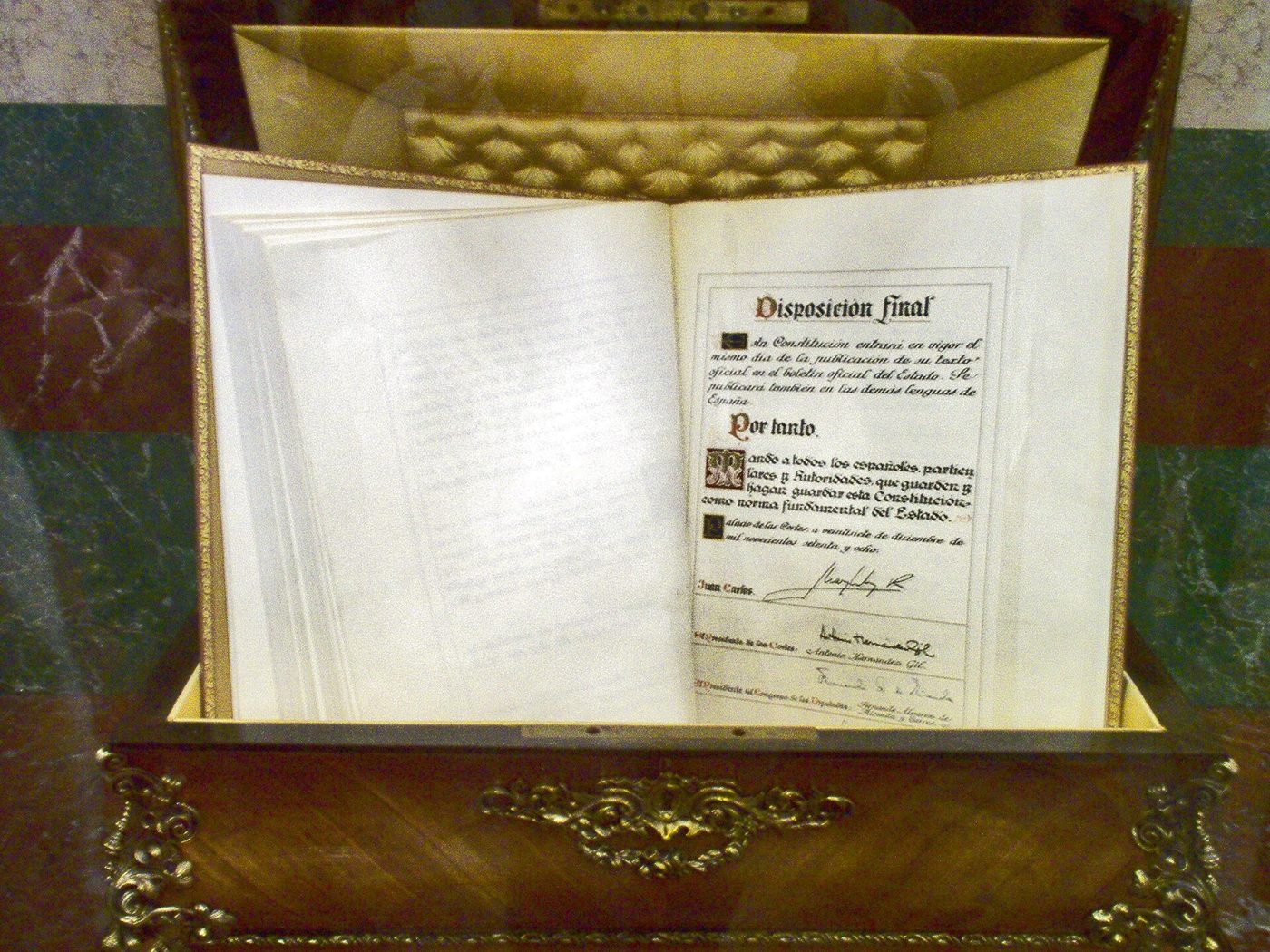
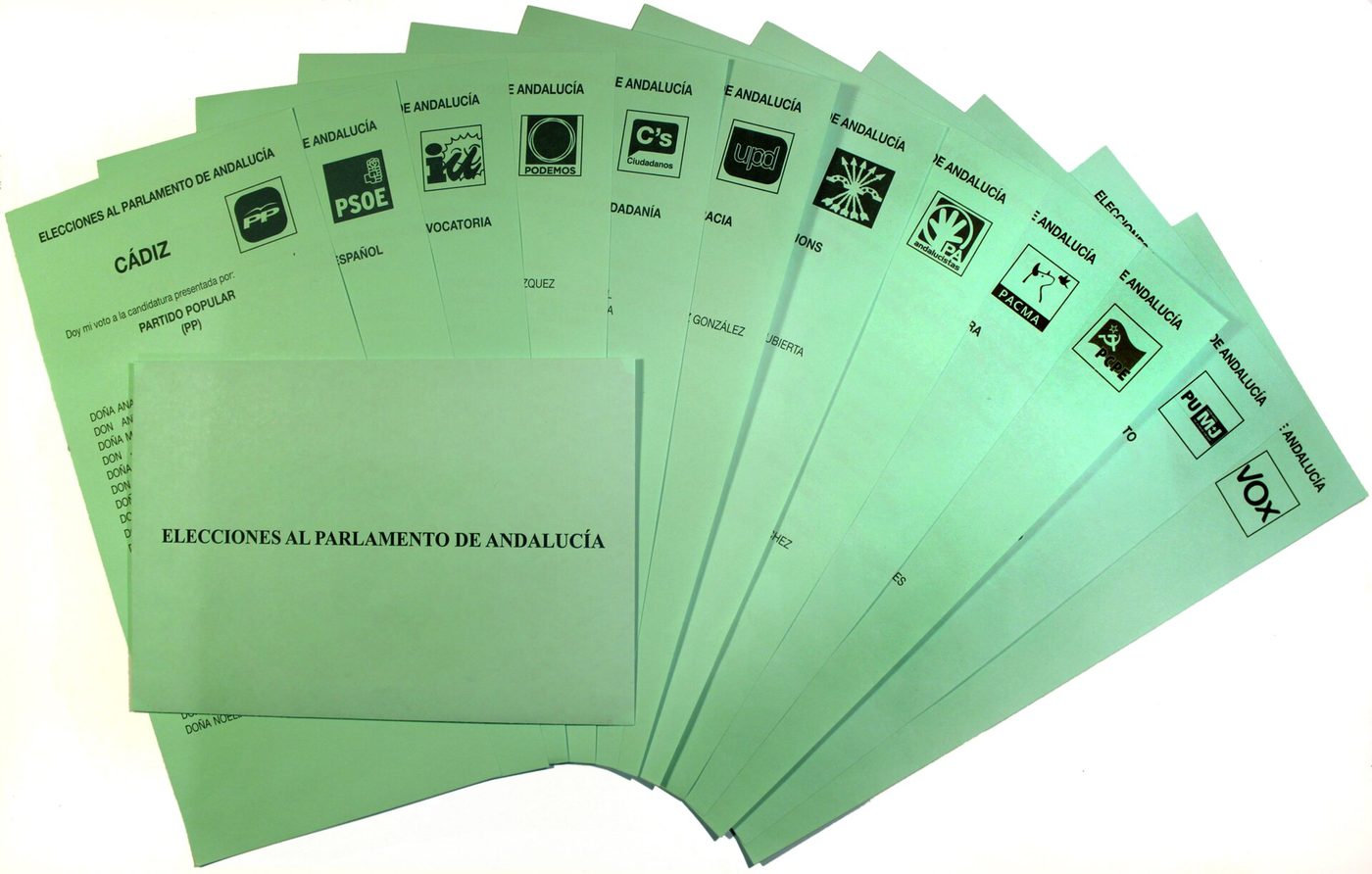
The Constitution of 1978 is the base of the whole CCSE. It explains how Spain became a democracy, which values the State protects and which rights and duties everybody has.
The first guide covers the Transition, the four highest values, the parts of the text and how it can be changed. The second is about Title I: the fundamental rights, the duties, voting, how rights are protected and how foreigners can become Spanish.
The Spanish Constitution of 1978
How Spain became a democracy, what the Constitution says about the State, and how it can be changed.
What each guide covers
- From dictatorship to democracySpain lived under the dictatorship of General Franco from 1939 until he died on 20 November 1975.
- The State and its valuesArticle 1 sums up the idea of the Spanish State.
- How the Constitution is organisedThe Constitution is a long text with 169 articles, a preliminary title and ten titles, plus additional, transitional and final provisions.
- Changing the ConstitutionThe Constitution can be changed, but it is not easy: that is meant to protect it.
Remember for the exam
- The current Constitution was approved in 1978 (referendum on 6 December); Constitution Day is 6 December.
- Spain is a social and democratic State governed by law; the highest values are liberty, justice, equality and political pluralism.
- Sovereignty belongs to the people; the form of the State is the parliamentary monarchy; the capital is Madrid.
- Spanish (castellano) is the official language; the other languages are co-official in their communities.
- The Constitution is hard to change; the Constitutional Court protects it.
Rights, duties and participation in Spain
The fundamental rights of Title I, the duties of everyone, how people take part in politics and how rights are protected.
What each guide covers
- Fundamental rights and freedomsThe Constitution protects a long list of rights.
- Duties of everyoneWith rights come duties.
- Taking part: voting and electionsIn a democracy, citizens take part in public affairs, above all by voting.
- How rights are protectedA right is only worth something if it can be defended.
- Foreigners and nationalityPeople from other countries who live in Spain have rights too, and there are several ways to become Spanish.
Remember for the exam
- Title I lists the fundamental rights: equality, life, religious and ideological freedom, expression, assembly, association, education, a fair trial.
- Everybody must obey the law and pay taxes; compulsory military service no longer exists.
- You can vote from 18; the vote is secret; the general elections are normally every four years.
- The Defensor del Pueblo and the Constitutional Court (recurso de amparo) protect rights.
- Nationality by residence normally takes ten years, and two for some nationalities; the CCSE and DELE A2 are usually required.
A sample question from the bank
Pregunta: ¿Cuáles son los valores superiores del ordenamiento jurídico según la Constitución? Respuesta: Libertad, justicia, igualdad y pluralismo político.
Pregunta: ¿Qué característica especial tiene el himno nacional de España? Respuesta: No tiene letra oficial.
Questions people ask
Do I need to know article numbers?
The CCSE asks about ideas and facts rather than article numbers. Learn what the Constitution says, not where it says it.
What is the voting age in Spain?
18 years old, in general elections.
Do I have to learn the articles by heart?
No. The test asks about ideas, dates and the main articles, such as the values of Article 1 or the equality of Article 14, not about the number of every article. Learn what the Constitution says and the year it was approved.
Which date is the most important?
The year 1978: the Cortes approved the Constitution on 31 October, the people voted for it on 6 December and it was published on 29 December. Constitution Day, 6 December, is a public holiday.
More guides



Ready to practise?
Study the questions by theme, then take the timed practice exam.