CCSE topic guide
History, culture and society of Spain
Al-Andalus, 1492, the Golden Age, the Civil War, the Transition, art, literature, festivals, food, geography and daily life in Spain: the culture, history and society block of the CCSE.
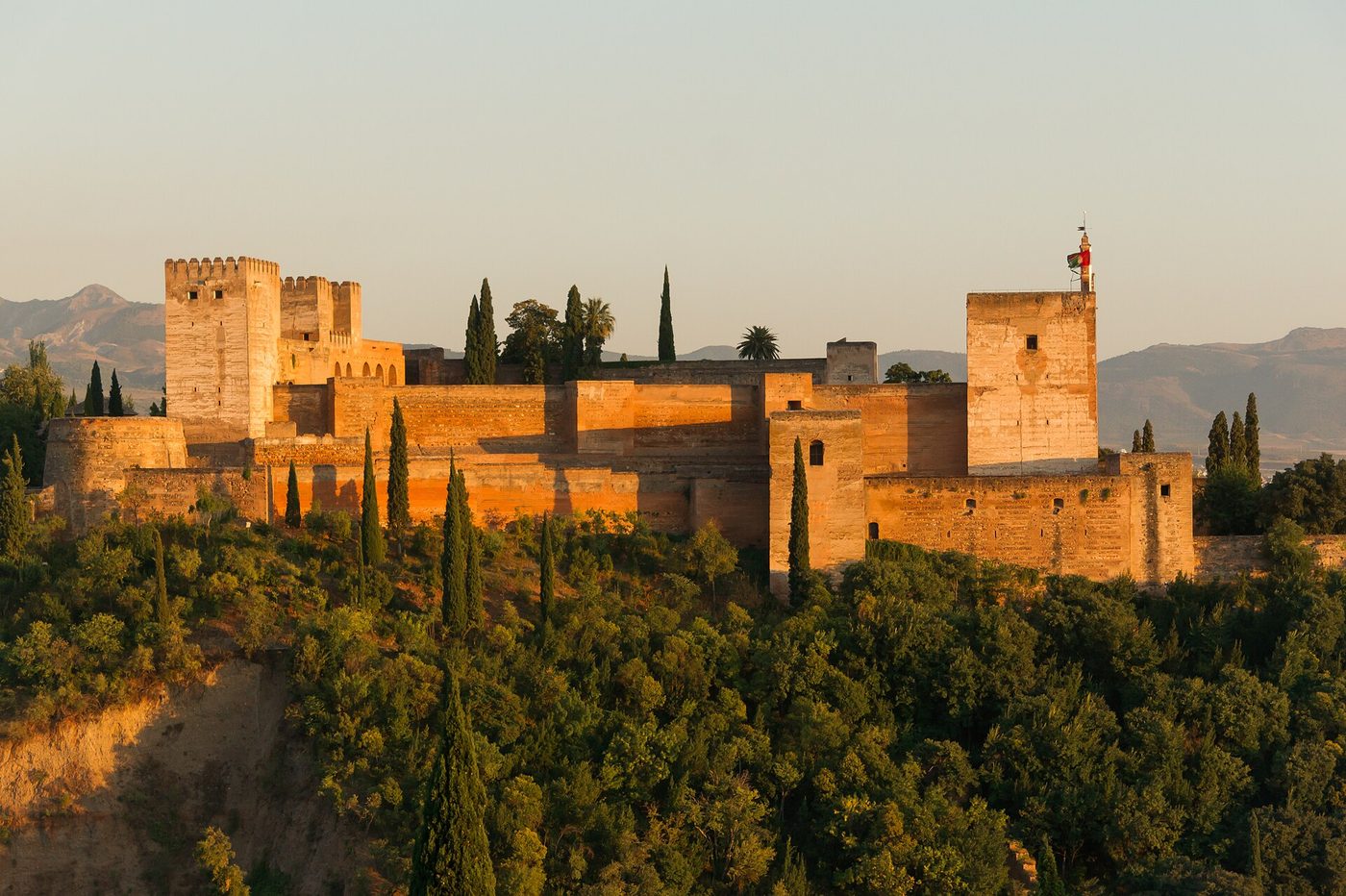
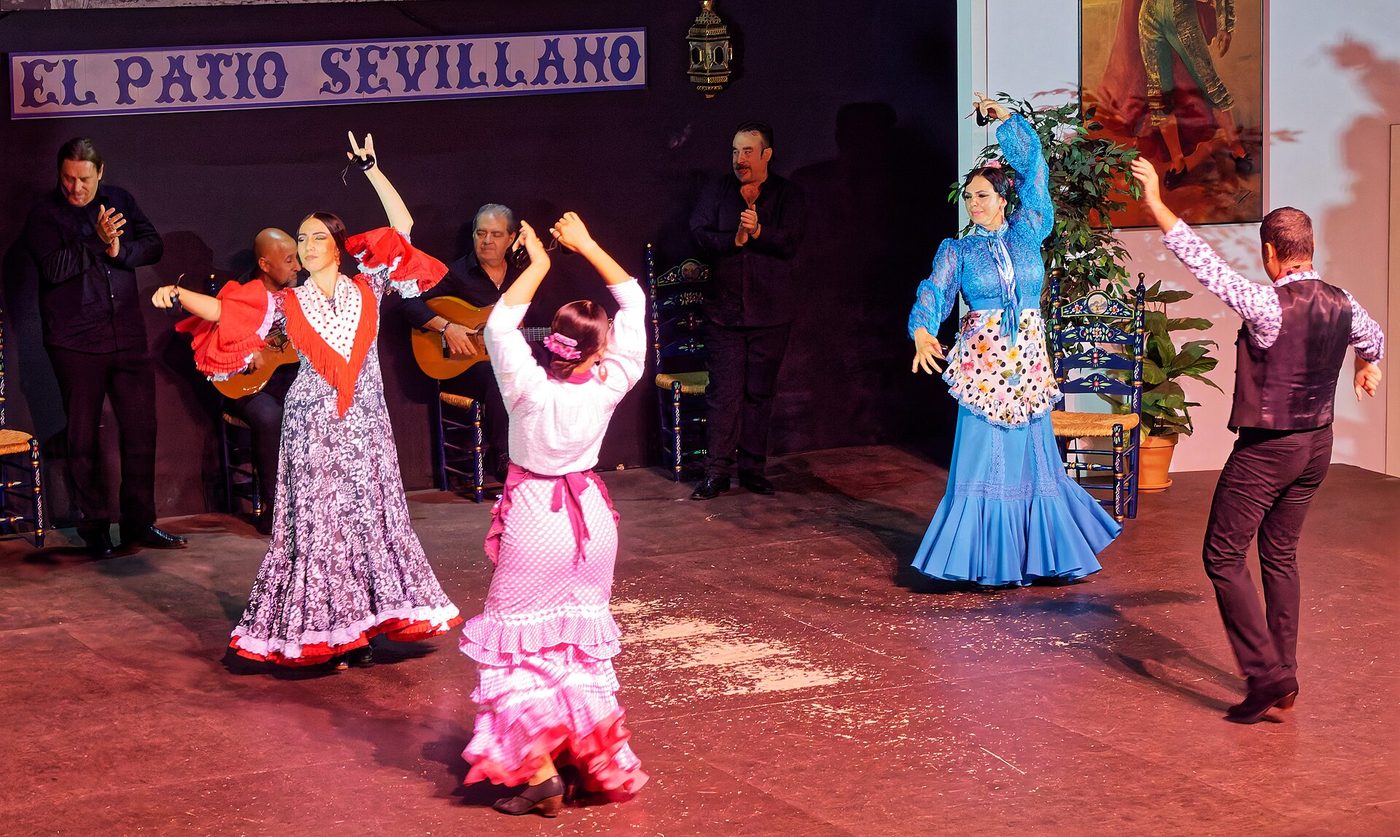
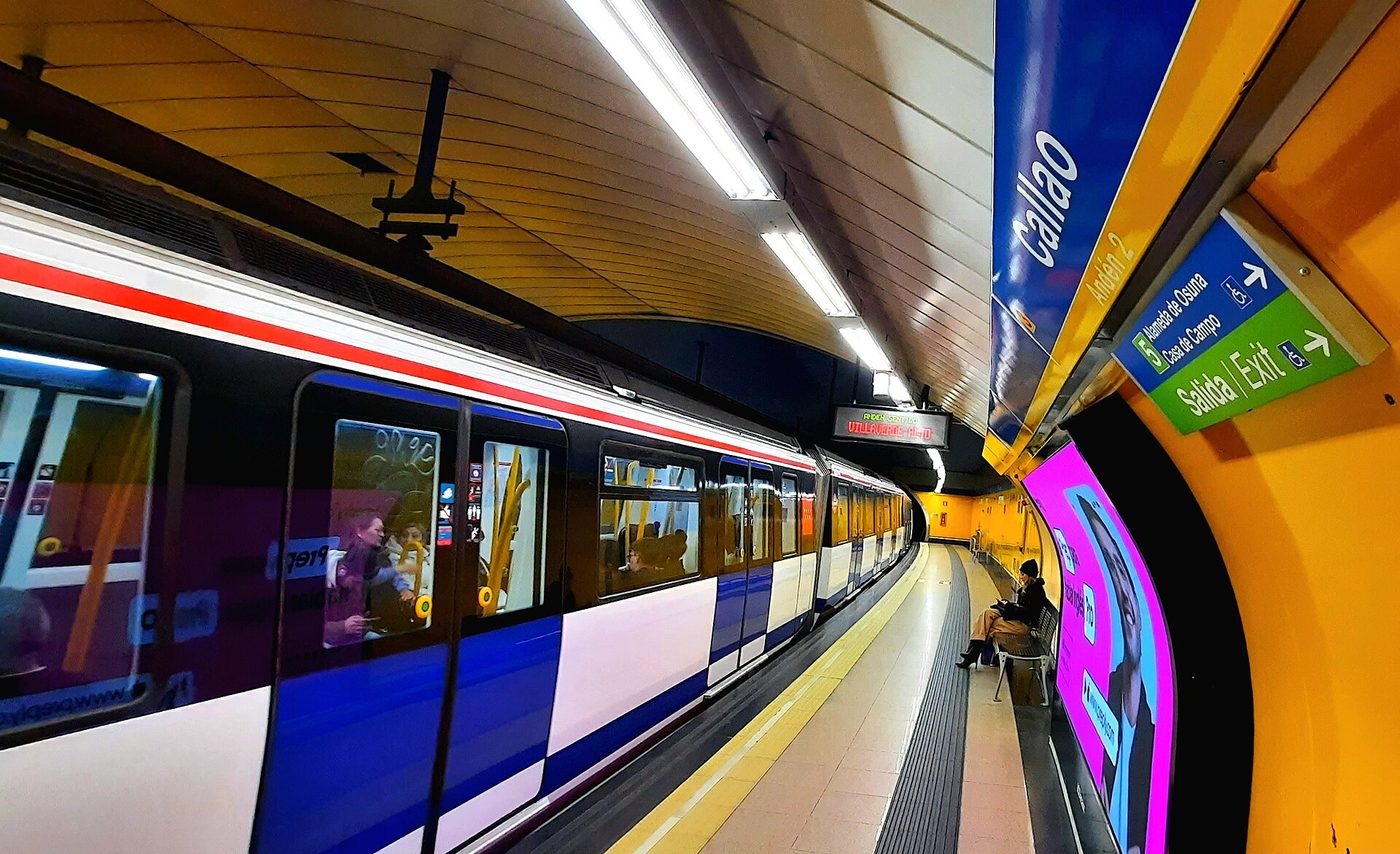
The last ten questions of the CCSE are about the history, the culture and the society of Spain. They are usually the easiest ones, because they ask for names, dates and facts that you can learn.
The guides go from the Romans and Al-Andalus to the Civil War and the democracy, then to the writers, painters, festivals and food that Spain is known for, and finally to the daily life: health care, school, work and transport.
The history of Spain
From the first peoples and Al-Andalus to the empire, the Civil War, the dictatorship and today’s democracy.
What each guide covers
- Early peoples and Roman HispaniaPeople lived in the Iberian Peninsula for a very long time before Spain existed.
- Al-Andalus and the ReconquistaIn the year 711 Muslim armies from North Africa crossed the Strait of Gibraltar and in a few years took most of the peninsula.
- 1492 and the Spanish EmpireIn 1492 Christopher Columbus, paid by the Catholic Monarchs, reached America.
- Republic, Civil War and FrancoThe 20th century was a hard one.
Remember for the exam
- Romans (218 BC) made Hispania; Visigoths followed; Muslims arrived in 711 and founded Al-Andalus.
- 1492: the Catholic Monarchs take Granada and Columbus reaches America; 12 October is the national day.
- Golden Age: Cervantes (Don Quixote), Velázquez, Lope de Vega.
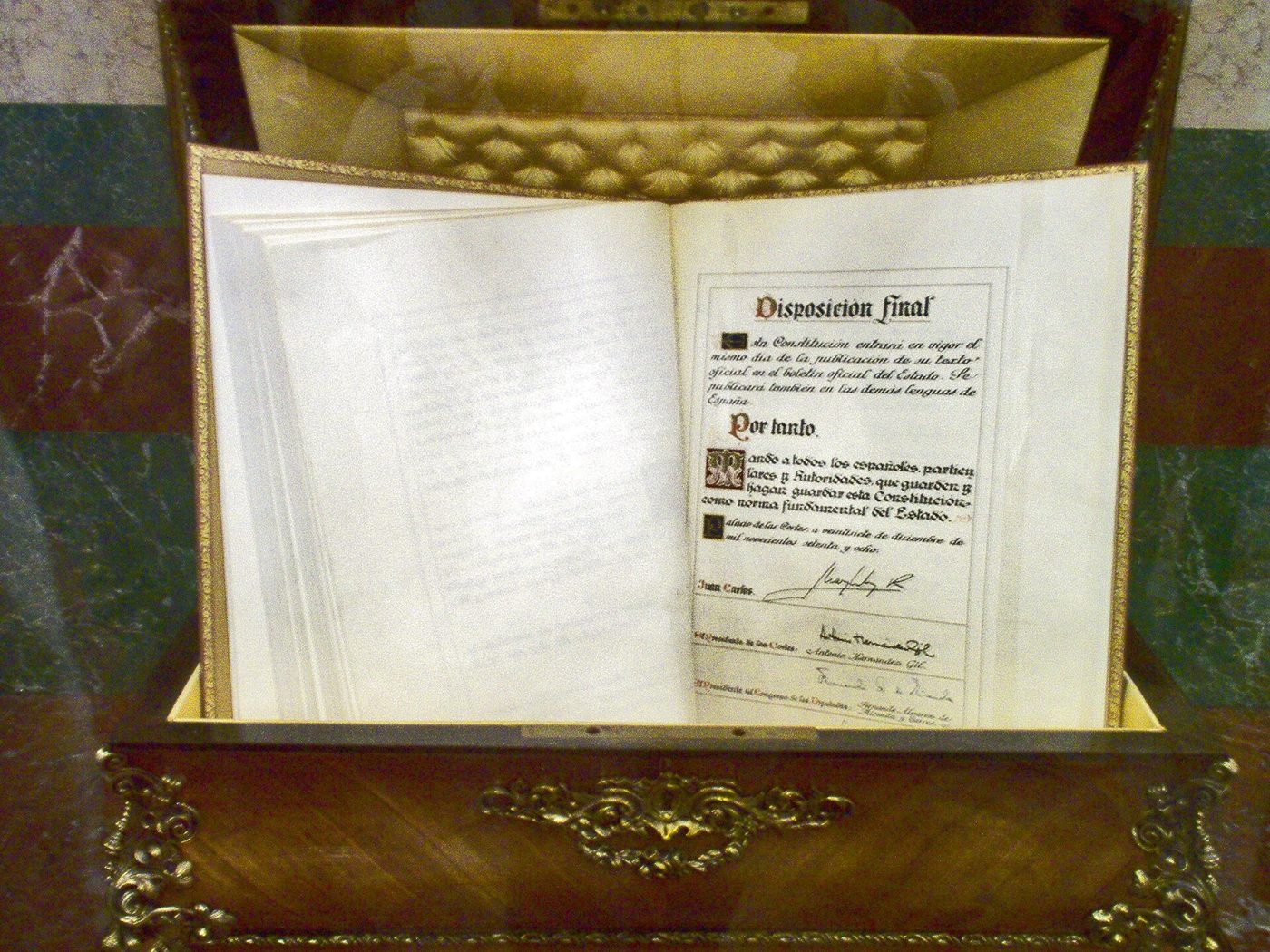
- Civil War 1936–1939; Franco’s dictatorship 1939–1975; Constitution 1978; European Community 1986.
Culture and traditions of Spain
Famous writers and painters, music and dance, festivals, food and the public holidays.
What each guide covers
- Writers, painters and architectsSpain has given the world some of its best known works of literature, painting and architecture.
- Music, dance and cinemaMusic and dance are an important part of Spanish culture and differ a lot from region to region.
- Festivals and public holidaysSpain has many festivals.
- Food and daily customsSpanish food is famous, and the timetable of meals is different from many countries.
Remember for the exam
- Cervantes – Don Quixote; Velázquez – Las Meninas; Goya; Picasso – Guernica; Gaudí – Sagrada Familia.
- Flamenco is from Andalucía and is UNESCO heritage; the guitar is the typical instrument.
- National day 12 October; Constitution Day 6 December; Epiphany 6 January; Labour Day 1 May.
- Semana Santa, Las Fallas (Valencia), San Fermín (Pamplona), La Tomatina (Buñol).
- Paella, tortilla, gazpacho and jamón; football is the favourite sport.
Society and daily life in Spain
Health care, education, work, social security, transport and the everyday procedures of living in Spain.
What each guide covers
- Health careSpain has a public national health system (Sistema Nacional de Salud) that is paid for with taxes and that covers all legal residents.
- EducationEducation in Spain is free and compulsory from 6 to 16 years old.
- Work and social securityWorkers in Spain have a contract, a salary, paid holidays and social protection.
- Transport and proceduresGetting around and getting your papers in order are part of daily life, and the CCSE asks about both.
Remember for the exam
- Public health system for all legal residents: ask for the tarjeta sanitaria; family doctor first; emergency number 112.
- School is free and compulsory from 6 to 16; ESO is secondary; Bachillerato leads to university.
- Social Security pays pensions and unemployment benefit; the employment service is SEPE; 30 days of paid holiday.
- Register at the town hall (padrón); NIE/TIE for foreigners; you can drive from 18.
A sample question from the bank
Pregunta: ¿Quién escribió «Don Quijote de la Mancha»? Respuesta: Miguel de Cervantes.
Pregunta: ¿Cuál es la montaña más alta de España? Respuesta: El Teide.
Questions people ask
Do I need to remember every festival?
No. Learn the best-known ones and the place they belong to, such as San Fermín in Pamplona and Las Fallas in Valencia.
Which museum has Velázquez and Goya?
The Prado Museum in Madrid.
Which dates must I know?
The ones that come up most are 711 (the arrival of the Muslims), 1492 (Granada and Columbus), 1936–1939 (the Civil War), 1975 (the death of Franco), 1978 (the Constitution) and 1986 (the European Community).
Do I need to know the famous artists?
Yes, a few of them. Learn the pairs: Cervantes and Don Quixote, Velázquez and Las Meninas, Goya, Picasso and Guernica, and Gaudí and the Sagrada Familia. A question is often just “who painted…?”.
More guides
Ready to practise?
Study the questions by theme, then take the timed practice exam.