Life in the UK topic guide
The Life in the UK test
The Life in the UK test explained: 24 multiple-choice questions in 45 minutes, 18 right to pass, who needs it, what it costs, what the handbook covers and free practice questions.
The Life in the UK test is a computer test of 24 multiple-choice questions in 45 minutes, and you need 18 right answers (75%) to pass. Every question comes from one of the four chapters of the official handbook.
Below are the four chapters with a photo, what each guide covers and what to remember. Open a guide to read the whole chapter, then study its questions.
All eight topic guides
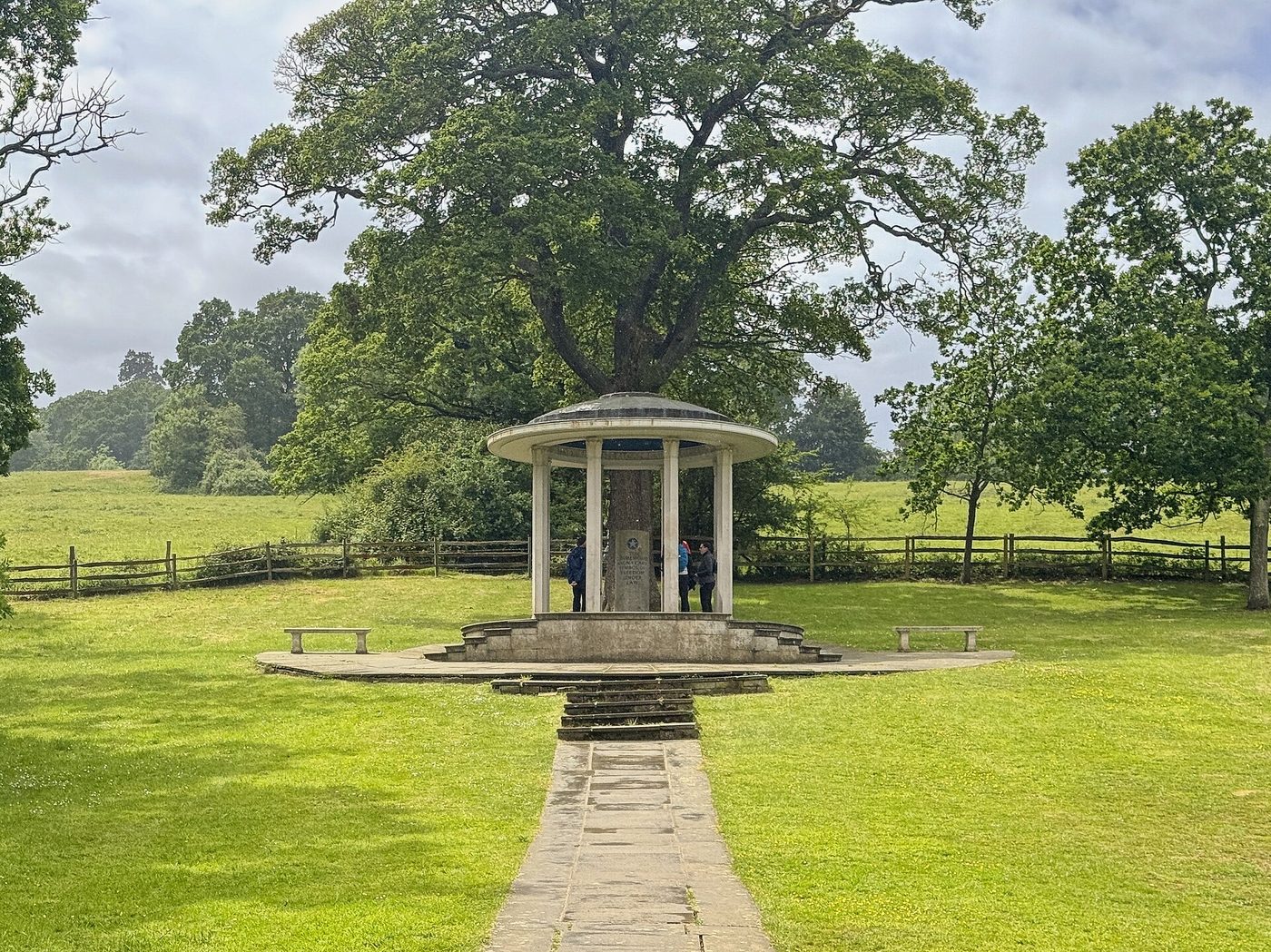 British values and principlesDemocracy, the rule of law, individual liberty, tolerance and taking part in community life: the rights and responsibilities of living in the UK.Read the full guide
 British history for the Life in the UK testFrom Stone Age Britain and the Romans to the Normans, the Tudors, the Industrial Revolution, two world wars and today.Read the full guide
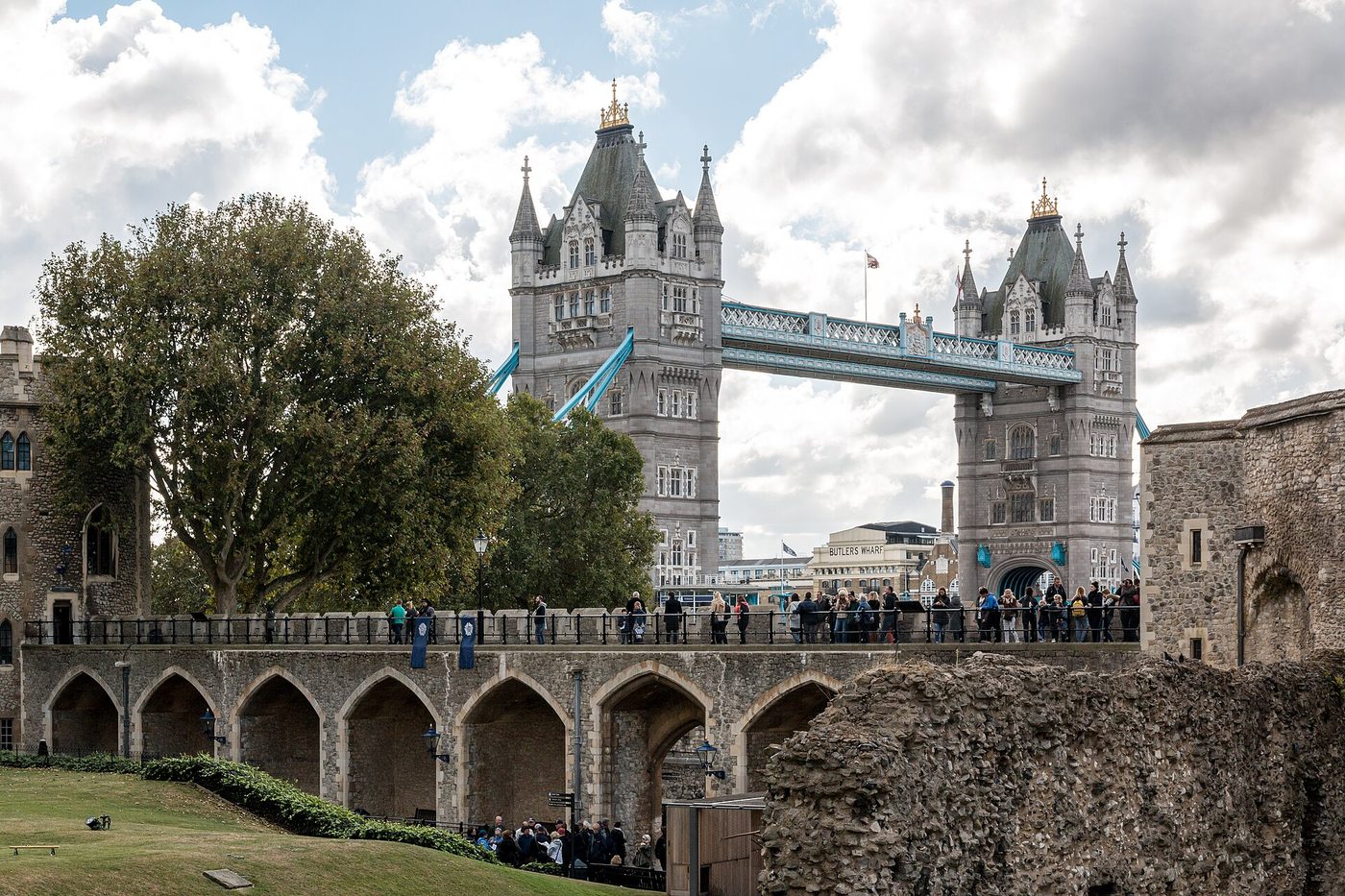 Modern Britain: nations, traditions, sport, arts and placesThe four nations of the UK, festivals and traditions, sport, writers and artists, and the best known places.Read the full guide
 The UK government, the law and your roleThe monarchy, Parliament, devolution, elections, the courts and how everyday life in the UK is organised.Read the full guide
How the test day works
Book on GOV.UK at least three days before, choose a centre and bring the same ID you booked with. You answer on a computer and see your result on the day.
Sample question: What is the capital of Wales? Options: Cardiff, Edinburgh, Belfast, Swansea. Answer: Cardiff.
Questions people ask
Are Asagno questions the real ones?
No. The real test questions are not public. Ours are original questions on the same topics, useful to check what you know before you read the handbook again.
What if I fail?
You can retake it after a short wait and pay the fee again.
Do I need the test and an English test?
Usually both are separate requirements for citizenship: the knowledge test and proof of your English. Check GOV.UK for your route.
How are the four chapters weighted in the test?
The official sources do not say how many questions come from each chapter, so prepare all four. Many people find the history chapter the longest, but each chapter can bring easy marks.
Where do I start?
Start with values and principles, which is short and gives you the words used everywhere else. Then read modern society and government, and leave history for several days, because it needs the most repetition.
Ready to practise?
Study the questions by theme, then take the timed practice exam.