Life in the UK topic guide
British history for the Life in the UK test
The Romans, 1066, Magna Carta, the Tudors, the Civil War, the Industrial Revolution, the world wars, the NHS and modern Britain: the history chapter of the Life in the UK test with a real question.
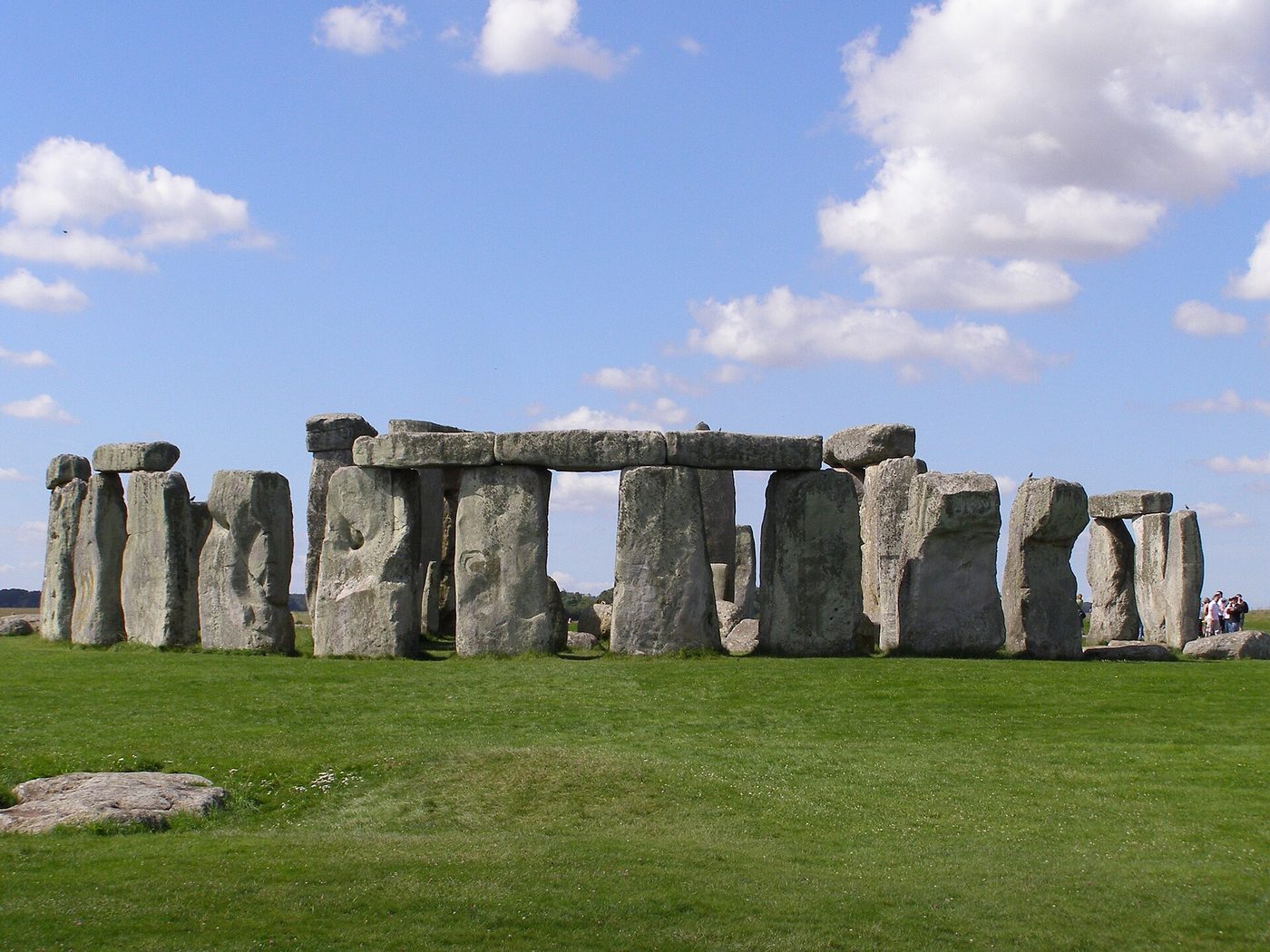
The history chapter is the longest of the handbook. It runs from the first people in Britain to the present day, and the test asks for key events, people and approximate dates rather than long stories.
The guide follows a timeline: early Britain and the Romans, the Normans and Magna Carta, the Tudors, the Stuarts and the Civil War, the Industrial Revolution and the Victorians, and the 20th century.
British history for the Life in the UK test
From Stone Age Britain and the Romans to the Normans, the Tudors, the Industrial Revolution, two world wars and today.
What each guide covers
- Early Britain: prehistory, Romans, Anglo-Saxons and VikingsThe first people lived in Britain a very long time ago.
- The Middle Ages: the Normans to the TudorsThe most important date of the Middle Ages is 1066, the last time that England was successfully invaded.
- Tudors, Stuarts and the Civil WarThe 16th and 17th centuries changed religion and government in Britain.
- The Industrial Revolution, empire and the VictoriansIn the 18th and 19th centuries Britain became the world’s first industrial country and the centre of the largest empire in history.
- The 20th century to todayTwo world wars, the end of the empire and big social change made modern Britain.
Remember for the exam
- Romans AD 43–410 (Hadrian’s Wall); Anglo-Saxons; Vikings; Alfred the Great.
- 1066 Hastings (William of Normandy); 1215 Magna Carta (King John); 1485 Bosworth (Henry VII).
- Henry VIII, Elizabeth I (1588 Armada), Civil War 1642–1651 (Cromwell), Bill of Rights 1689, Union with Scotland 1707.
- Industrial Revolution; Victoria 1837–1901; slave trade abolished 1807 and slavery 1833.
- Two world wars; women’s vote 1918 and 1928; NHS 1948; EEC 1973; devolution 1998–99; left the EU 2020.
A sample question from the bank
Question: In which year did William of Normandy win the Battle of Hastings? Answer: 1066.
Question: What did King John agree to in 1215? Answer: Magna Carta.
Questions people ask
How many dates do I really need?
A handful of landmark dates are enough for most questions, together with the order of the periods. The handbook marks the key ones.
Is the Second World War covered in detail?
Briefly: Winston Churchill as Prime Minister, the Battle of Britain in 1940 and the fact that the NHS followed in 1948.
Which dates do I need to know?
The ones that come up most are 1066 (the Battle of Hastings), 1215 (Magna Carta), 1588 (the Spanish Armada), 1707 (the Act of Union with Scotland), 1837 (Queen Victoria), 1914–1918, 1939–1945 and 1948 (the NHS).
Why is Magna Carta so important?
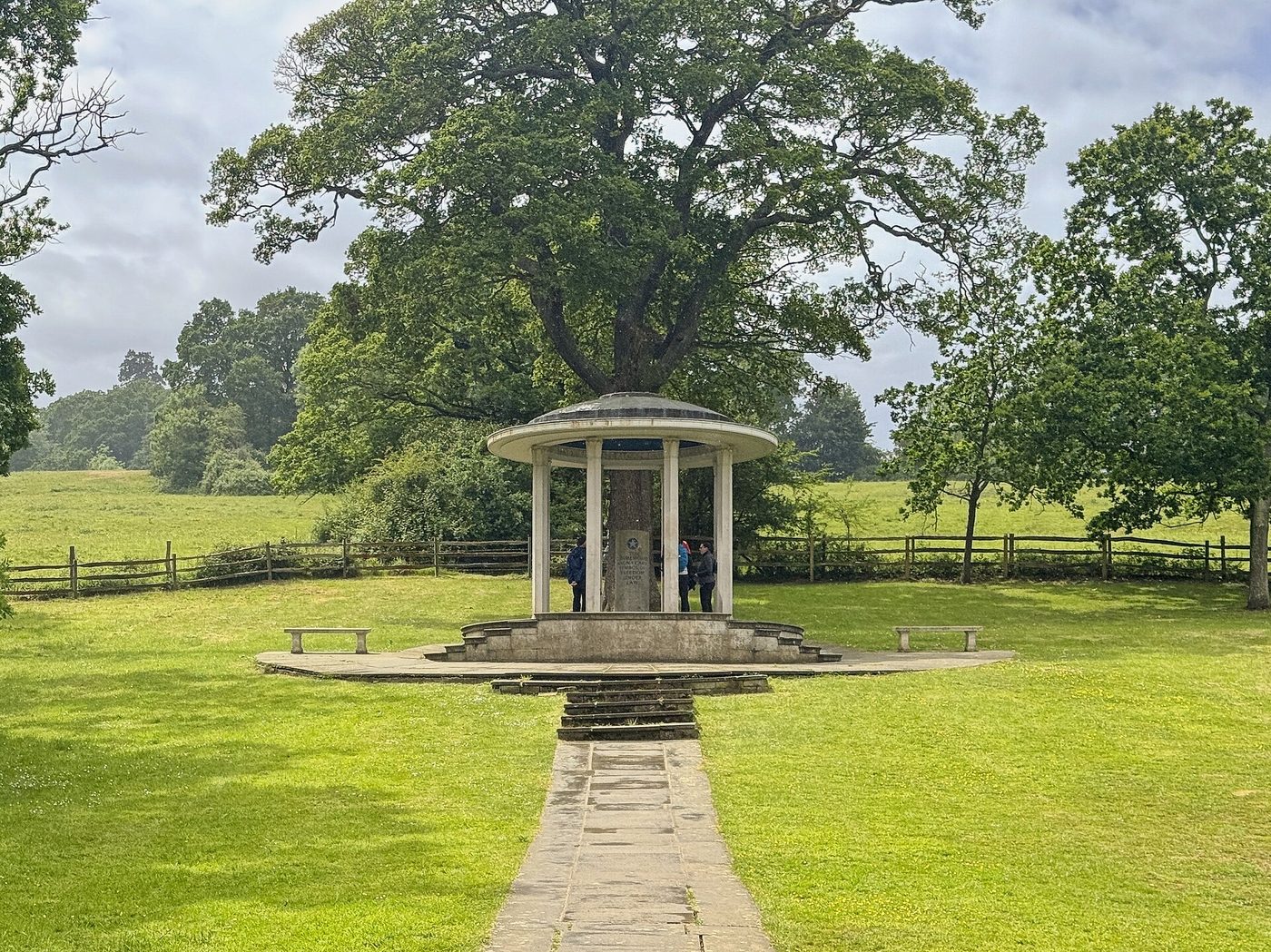
In 1215 the barons forced King John to sign it. It said that the king must obey the law and that nobody can be imprisoned without a fair trial, and it is the base of many British liberties.
More guides
Ready to practise?
Study the questions by theme, then take the timed practice exam.