Life in the UK topic guide
Government, the law and your role
Parliament, the Prime Minister, the monarch, devolution, the courts, the police, voting and local life: the government, law and your role chapter of the Life in the UK test.
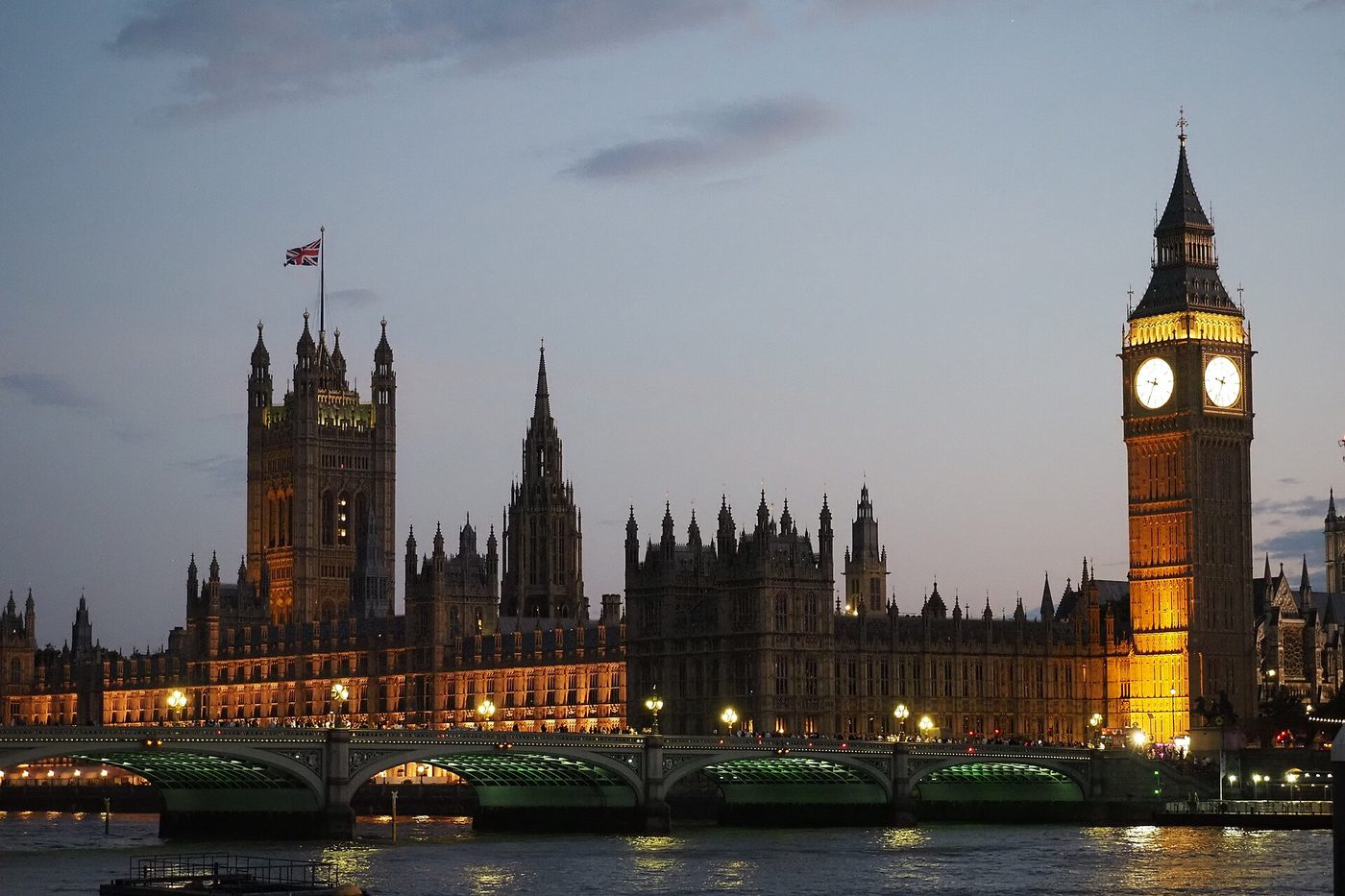
The last chapter of the handbook explains how the UK is governed, how the law works and what you need to know as a resident. It is a practical chapter, and many questions in it are about who does what.
The guide covers the monarchy, the House of Commons and the House of Lords, the Prime Minister and the Cabinet, devolution, elections, the courts and the police, the NHS, schools, work and driving.
The UK government, the law and your role
The monarchy, Parliament, devolution, elections, the courts and how everyday life in the UK is organised.
What each guide covers
- The monarchyThe monarch has a ceremonial role and no real political power.
- Parliament and the GovernmentParliament sits in the Palace of Westminster in London.
- Devolution and local governmentSince 1998–1999 some powers have been passed from London to Scotland, Wales and Northern Ireland.
- Elections and votingElections are how people choose their representatives.
- The courts, the police and the lawThe justice system is independent from the Government.
- Everyday life: health, work, driving and moneyThe last part of the handbook is practical.
Remember for the exam
- Constitutional monarchy: the King (Charles III since 2022) is head of State but does not govern.
- Parliament = House of Commons (650 MPs, elected) + House of Lords (appointed) + the monarch; the Prime Minister lives at 10 Downing Street.
- Devolution: Scottish Parliament (Edinburgh), Senedd (Cardiff), Northern Ireland Assembly (Belfast).
- General election at least every five years; vote at 18 (16 in some Scottish and Welsh elections); first past the post.
- Jury of 12 in the Crown Court; 999 or 112 for emergencies; NHS free care; drive on the left.
A sample question from the bank
Question: What are the two Houses of the UK Parliament? Answer: The House of Commons and the House of Lords.
Question: How often must a general election be held in the UK at most? Answer: Every five years.
Questions people ask
Who can vote in UK general elections?
Eligibility depends on citizenship and age, and you must be on the electoral register. Check GOV.UK for the rules that apply to you; the test asks for the general principle.
What is the Speaker of the House of Commons?
The person who keeps order in debates in the Commons.
What is the difference between the House of Commons and the House of Lords?
The House of Commons has 650 elected MPs and is the more powerful house. The House of Lords has more than 800 members who are mostly appointed; it reviews laws and can delay them.
Which number do I call in an emergency?
999 (or 112) for an emergency, such as a crime in progress, a fire, or a person who is badly hurt. 101 is for a crime that is not an emergency, and the NHS 111 service is for urgent medical help that is not an emergency.
More guides

Ready to practise?
Study the questions by theme, then take the timed practice exam.