Civic integration exam in the Netherlands
The civic integration exam in the Netherlands (KNM)
The exam for people who live in the Netherlands: Dutch language parts, and Knowledge of Dutch Society (KNM) on a computer.
If you live in the Netherlands and have to integrate (inburgeren), you take an exam made of several parts. Four of them test your Dutch (reading, listening, writing and speaking) and one tests what you know about Dutch society: the KNM.
The KNM (Kennis van de Nederlandse Maatschappij) is a computer test of about 45 minutes with multiple-choice questions in Dutch about everyday life: housing, work, health care, education, values, politics, history and daily customs. Some people also take a labour-market part, ONA.
Which level (A2 or B1) and which parts you need depend on the law that applies to you and on your personal plan. Your letter from DUO tells you. Here you can read a guide for each of the eight KNM topics, study the questions and take a timed practice exam.
This page is for people who already live in the Netherlands. The A1 exam you take at an embassy before you get your visa (KNS, reading and speaking) is a different exam with its own page. Go to the exam abroad
The exam at a glance
Who
People living in the Netherlands with a civic integration obligation
Parts
Reading, listening, writing, speaking and KNM; some people also have ONA (the labour market)
Level
A2 or B1, depending on the law and your plan
KNM
On a computer, about 45 minutes, multiple choice
Practice exam
40 questions in 45 minutes
Organiser
DUO (the exam, registration and results)
Practise
Study the questions first, then take the timed practice exam to see where you stand.
Study the questions
Every question of the practice bank with its answer, by topic. Check yourself, reveal the answer and mark what you don’t know yet.
Timed practice exam
40 questions drawn at random from the bank, with the real exam’s time limit and pass mark.
Coming soon
The other parts of the exam
The language parts are practised on the skill pages, at your level.
Reading
Short Dutch texts with questions, at your level.
- Notices, forms, e-mails and letters from school, work or the municipality
- You find the information you need, or the main point of a short text
Listening
Everyday Dutch audio with questions.
- Voicemail messages, announcements and short conversations
- Everyday situations: at the doctor, at work, at school, in a shop
Writing
Write short texts and get them corrected.
- Filling in a form and writing a short message or e-mail
- A few clear sentences about yourself, your family or your day
Speaking
Say sentences aloud and get feedback.
- Answering questions about yourself and your daily life
- Describing a situation and leaving a short spoken message
What the exam covers
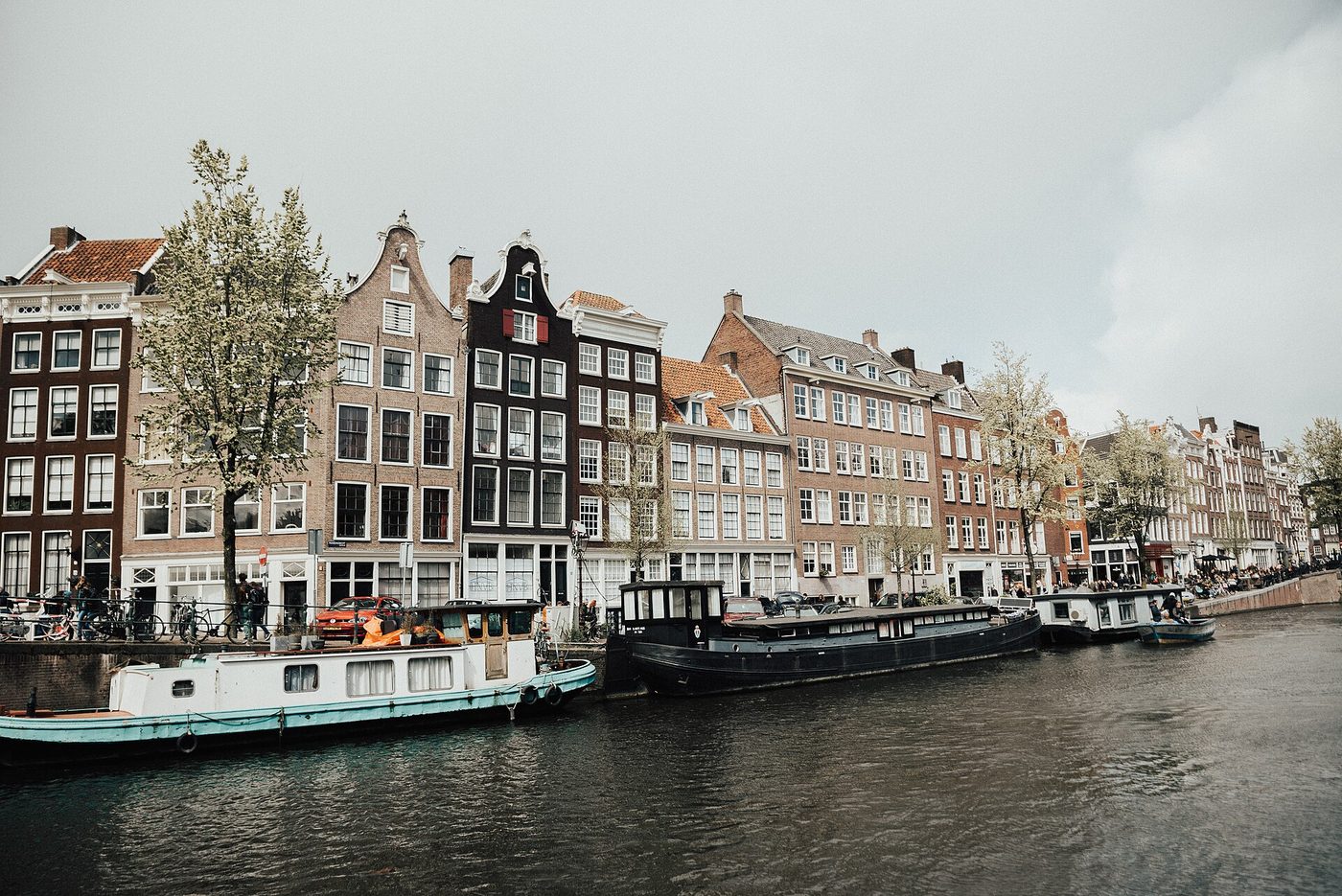 HousingRenting, rent benefit, moving, waste, neighboursRead the guide
 Work and incomeContracts, tax, UWV, DigiD, the BSN, benefitsRead the guide
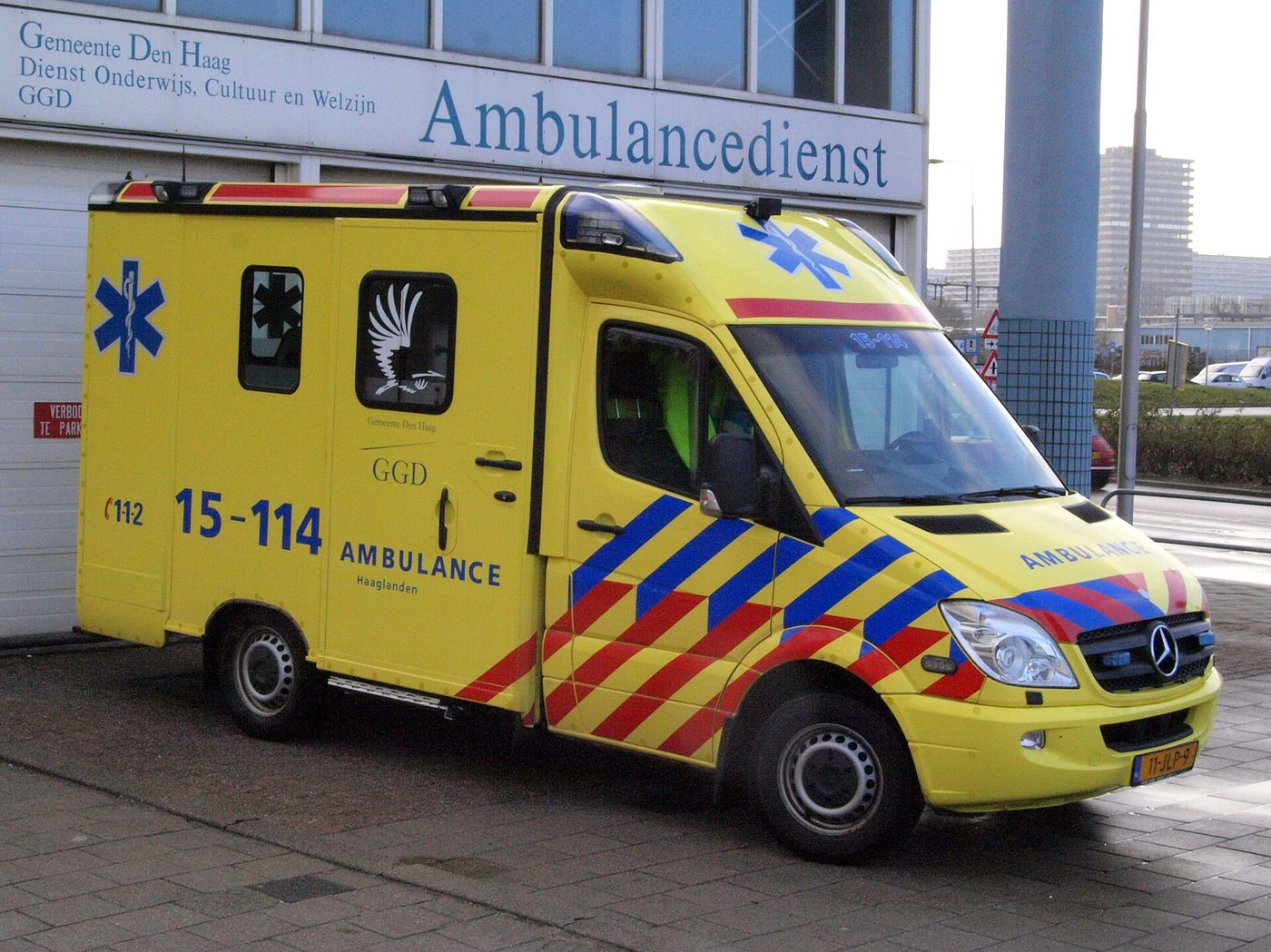 Health careThe family doctor, insurance, pharmacy, 112Read the guide
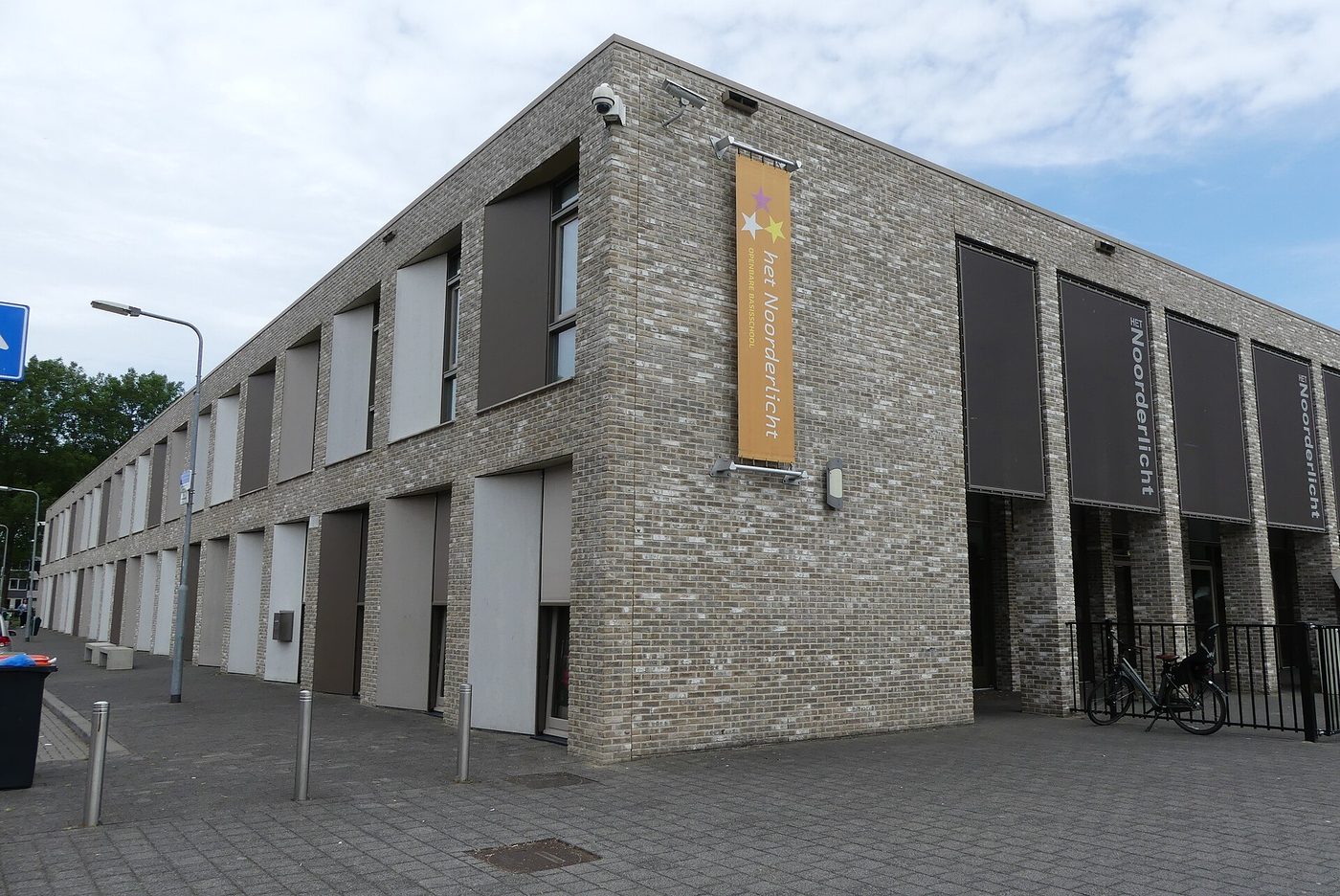 Education and parentingCompulsory school, school types, childcareRead the guide
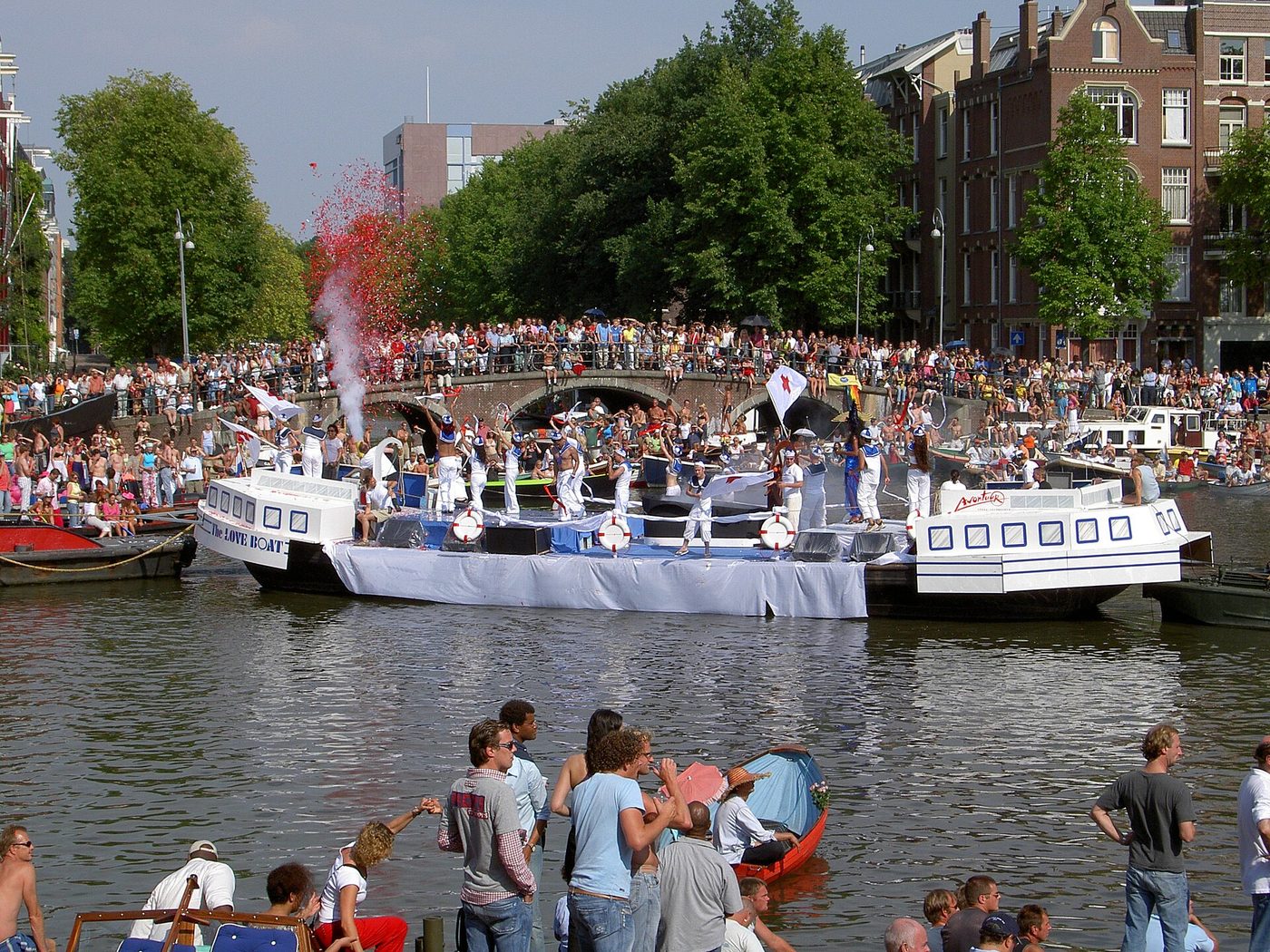 Values and normsEquality, freedoms, what is forbidden, mannersRead the guide
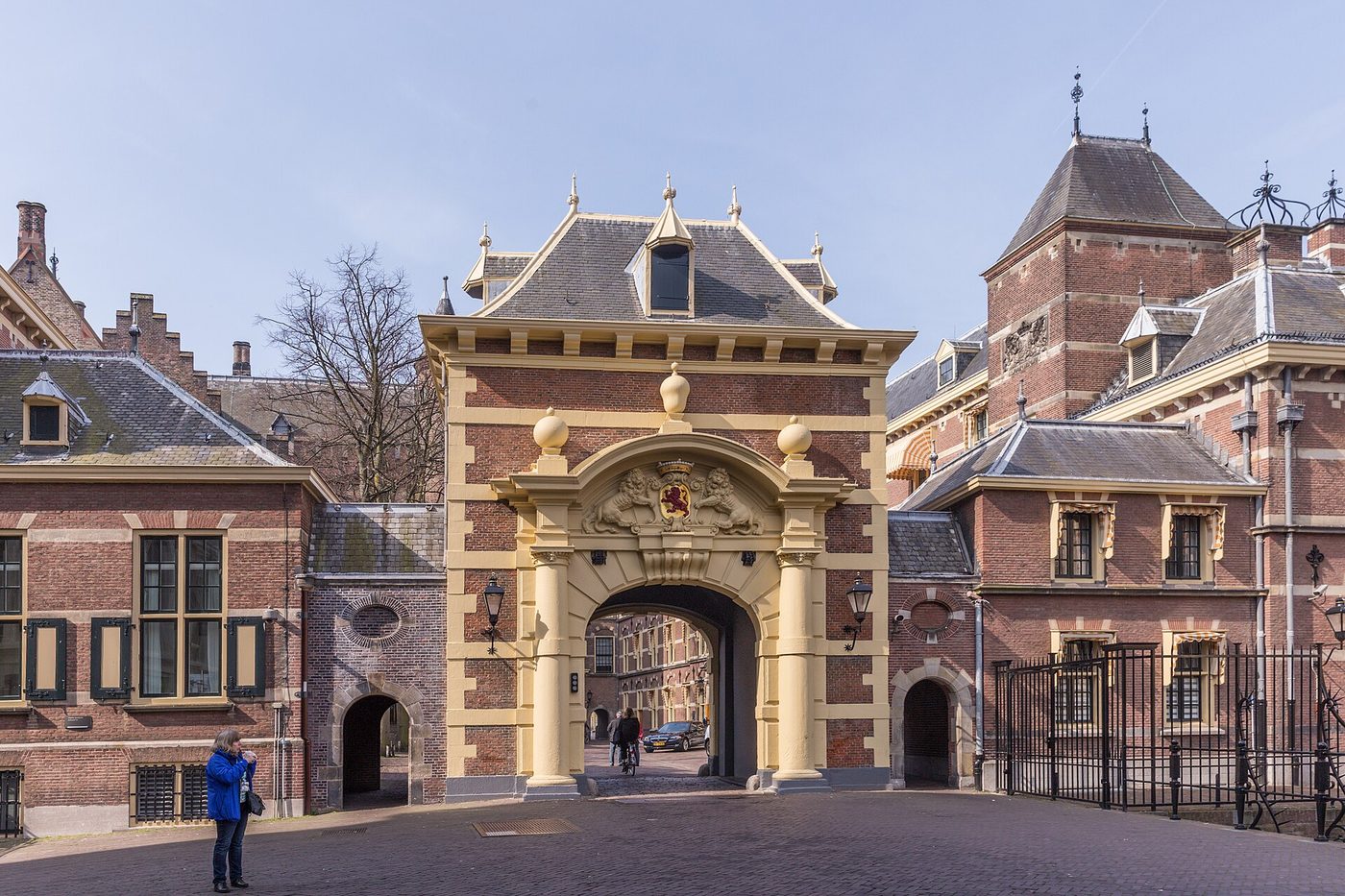 Politics and the lawThe king, parliament, elections, municipality, policeRead the guide
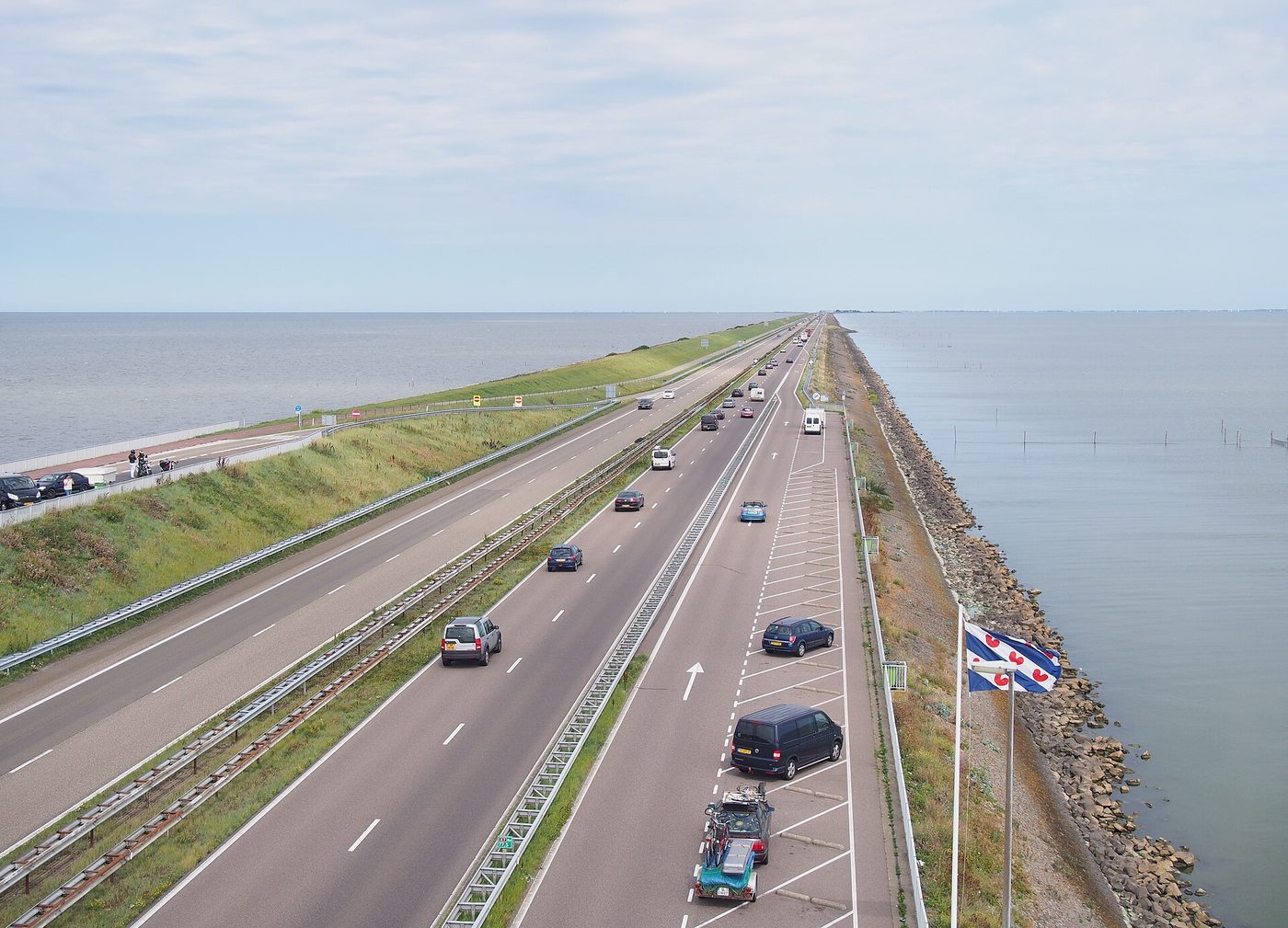 History and geographyEighty Years’ War, Golden Age, the war, water, provincesRead the guide
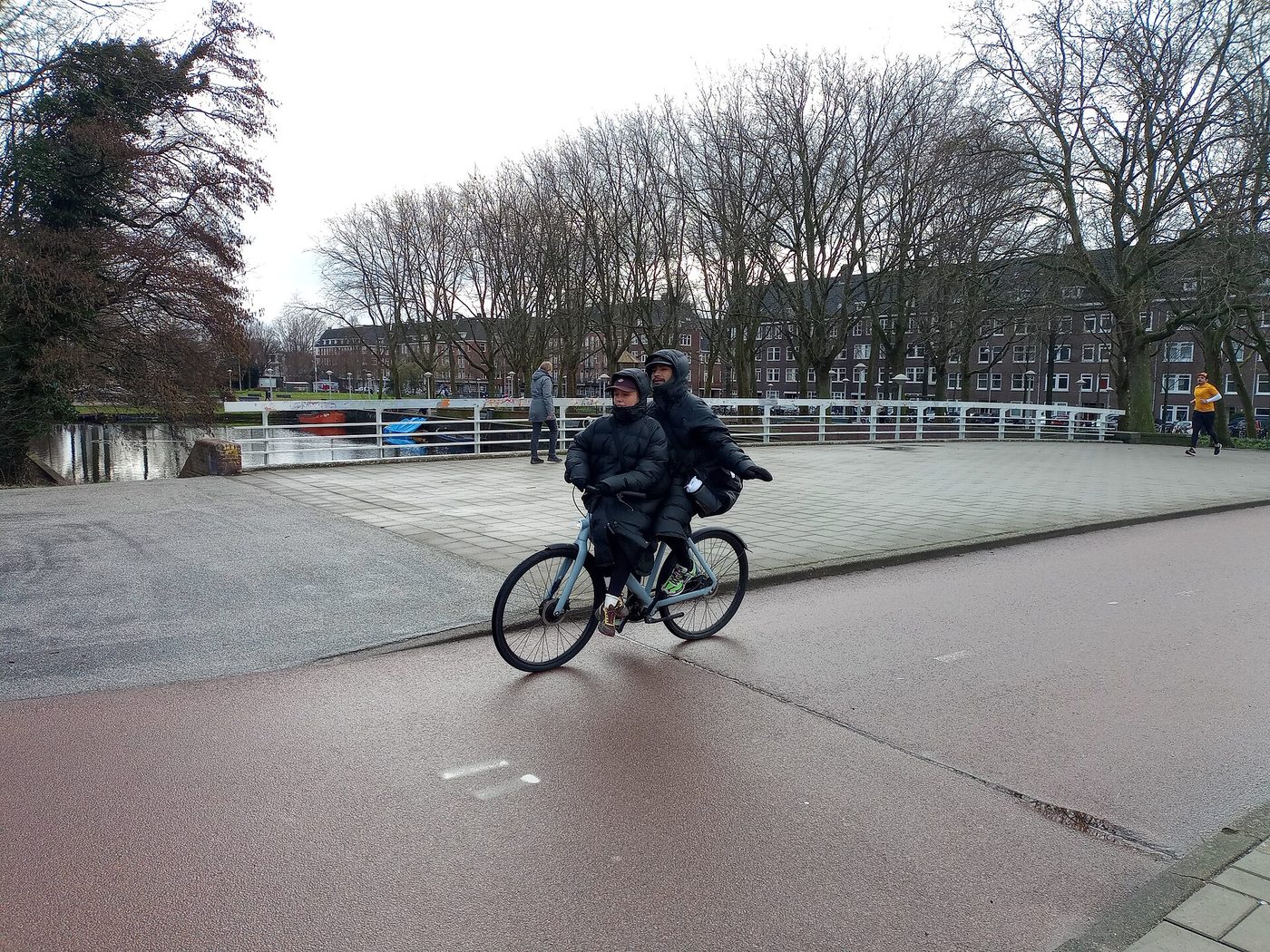 Daily life and customsCycling, traffic, holidays, greetingsRead the guide
Photo credits
- Housing in the Netherlands: Photo: Kaci Baum kacibaum, CC0, via Wikimedia Commons
- Work and income in the Netherlands: Photo: Crew crew, CC0, via Wikimedia Commons
- Health care in the Netherlands: Photo: Alf van Beem, CC0, via Wikimedia Commons
- Education and parenting in the Netherlands: Photo: G.Lanting, CC BY 4.0, via Wikimedia Commons
- Values and norms in the Netherlands: Photo: Alf van Beem, CC0, via Wikimedia Commons
- Politics and the law in the Netherlands: Photo: Hubertl, CC BY-SA 4.0, via Wikimedia Commons
- History and geography of the Netherlands: Photo: C messier, CC BY-SA 4.0, via Wikimedia Commons
- Daily life, traffic and customs in the Netherlands: Photo: Andrej Shadura, CC0, via Wikimedia Commons
All photos are public domain or freely licensed (CC0, CC BY, CC BY-SA). Every guide shows the credit of each of its photos.
Guides
- Housing, work and income (Wonen, werk en inkomen)Renting, rent benefit, moving and waste, contracts, tax, UWV, DigiD and the BSN: the housing and work themes of the KNM exam with a real practice question in Dutch.HousingWork and incomeRead the guides
- Health care and education (Gezondheid en onderwijs)The family doctor, health insurance, emergencies, school types, compulsory education and childcare: the health and education themes of the KNM exam with a real practice question in Dutch.Health careEducation and parentingRead the guides
- Values, norms and daily life (Waarden en normen)Equality, freedom of speech and religion, what is forbidden, direct communication, being on time, holidays and traffic: the values, norms and daily life themes of the KNM exam, with real practice questions.Values and normsDaily life and customsRead the guides
- Politics, law and history (Politiek en geschiedenis)The king, parliament, the cabinet, elections, the municipality, the police and courts, and the key moments of Dutch history and geography: the politics and history themes of the KNM exam.Politics and the lawHistory and geographyRead the guides
How it works, step by step
Find out what you must do
Not everybody has the same obligation. Your route, your level and the exam parts you need are written in the documents you received, so start there before you study anything.
- Read the letter from DUO: it names your obligation, your deadline and the level (A2 or B1).
- Your municipality makes a personal integration plan (PIP) with you. It says which route you follow, for example a B1 route, an education route or a route for people who find learning harder.
- Write down which parts you must take: KNM, reading, listening, writing, speaking and, for some people, ONA.
- If you are unsure, ask DUO or the municipality. Do not guess: a wrong guess costs time and money.
Arrange your DigiD and your DUO account
Almost everything with DUO goes online, so do this early: the code for your DigiD comes by post and takes a few days.
- Request a DigiD on digid.nl and activate it with the code you receive by post.
- Log in to your DUO account with your DigiD. There you see your obligation, your results and the exams you can book.
- Check that your name and your address are correct. A wrong detail can block your registration.
- Keep your identity document valid: you need it to register and on the day of the exam.
Know the parts of the exam
The exam is not one test but several separate parts. You can take them in your own order and you keep the parts you passed.
- KNM: knowledge of Dutch society, multiple choice on a computer, about 45 minutes.
- Reading and listening: you read short texts and listen to short fragments, then answer questions.
- Writing and speaking: you write short texts and answer questions aloud, both recorded on the computer.
- ONA (orientation on the Dutch labour market) applies only to some people and is not practised here.
Read the eight topic guides
The KNM questions come from eight themes. Read one guide at a time. Each explains the theme in plain English or Arabic, with the Dutch words the questions use.
- Start with the theme you know least. Housing and work are the most practical, so many people begin there.
- Read the “Dutch words” box in each part and say the words aloud: you will meet them in the questions.
- Finish each guide with its “Remember for the exam” list and go on to its questions.
Study the questions by theme
After a guide, test yourself. The study page shows every question of the bank with its answer, so you learn how the questions are asked.
- Choose the answer first, then check it. Do not just read the answers.
- Mark the questions you do not know (“I don’t know this”). They are collected under “To review”.
- The text is in Dutch. Read it first, and use the English or Arabic help only to check your understanding.
- Come back to the marked questions every few days until you know them.
Take the timed practice exam
The practice exam copies the real situation: 40 questions drawn at random from all themes, 45 minutes, no help. Take it when you feel ready, not before.
- Sit in a quiet place, put your phone away and keep to the time.
- Afterwards read the review of every answer, especially the ones you got wrong.
- Every exam draws different questions, so you can repeat it and see your score go up.
- Aim to answer clearly more than the pass mark before you book the real exam.
Practise the language parts
The four language parts decide as much as the KNM. Practise a little every day rather than a lot on one day.
- Reading: short everyday texts such as notices, forms and letters from school, work or the municipality.
- Listening: messages, announcements and short conversations, for example at the doctor or at work.
- Writing and speaking: a short e-mail or note, and answers about yourself and about situations from daily life.
- The Dutch course builds the vocabulary and grammar behind all four, from A1 up to B1.
Register and book your exam
You register for each part through your DUO account. Do this when you are ready, because dates fill up and you pay for every attempt.
- Choose the part, the exam location and the date in your DUO account. Locations and dates differ, so book in good time.
- The fees are set by DUO and can change. Check the current amounts at duo.nl before you pay, and ask your municipality about help with the costs.
- You will receive a confirmation. Keep it, and read what you must bring and what is not allowed.
- If you cannot come, cancel in time through DUO, otherwise you may lose your fee.
On the day of the exam
Be there early and calm. Everything is done on a computer, and the staff explain the rules before you start.
- Bring the valid identity document you registered with. Without it you cannot take the exam.
- Phones and bags are kept away from the exam room. Do not bring notes.
- Read each question and all the answers before you choose. If you do not know, mark it and come back to it if you have time.
- Watch the clock, and answer every question: an unanswered question can never earn a point.
Results and what comes next
DUO sends you the result of each part. A part you pass counts, and a part you fail can be taken again.
- You see your results in your DUO account and receive them by post or e-mail. Check the date of the next exam if you need to retake a part.
- If you fail a part, study what went wrong with the review and the topic guides, then register again for that part only.
- When you have passed all the parts you need, you receive your civic integration diploma. You keep it for life.
- The diploma is also useful later, for example when you apply for Dutch citizenship (naturalisation), for which other conditions apply.
Questions people ask
Is this the exam abroad?
No. The exam abroad is the A1 exam that people take at an embassy before they get a visa to join a partner in the Netherlands (KNS, reading and speaking). This page is for people who already live in the Netherlands and take the integration exam in the country. The exam abroad has its own page on Asagno.
Who has to take the exam?
People who move to the Netherlands from outside the EU for longer and who have an integration obligation (inburgeringsplicht). Some groups are exempt, and some people can choose to integrate. Your DUO letter tells you if the obligation applies to you, by which date, and at which level.
Which level do I need, A2 or B1?
It depends on the law that applies to you and on your plan: some people integrate at A2, others at B1. Do not choose it yourself; follow the level in your DUO letter and your personal integration plan, and ask the municipality if it is unclear.
Do I need all the parts?
Not always. It depends on your route, your level and any exemptions. Most people take KNM, reading, listening, writing and speaking; a few also take ONA. Make a list from your own plan, and ask DUO or your municipality if something is missing.
What does the KNM look like?
It is taken on a computer in about 45 minutes. Every question is multiple choice, in Dutch, about everyday life in the Netherlands; some use a picture. You choose the answer you think is right. There are eight themes: housing, work, health care, education, values and norms, politics and the law, history and geography, and daily life and customs.
Is the KNM in my own language?
No, the KNM is in Dutch, so your reading level matters. That is why the guides here teach the Dutch words of each theme. When you practise, read the Dutch question first and use the English or Arabic help only to check what you understood.
Are these the real KNM questions?
No. DUO does not publish its question bank, so nobody outside it can offer the real questions. The questions here are original Asagno questions on the same themes and in the same style, written to help you learn the subjects. If a site promises “the real exam questions”, be careful.
How long should I prepare?
Many people need a few weeks of regular study, for example 20 to 30 minutes a day. A good plan: read one guide every two or three days, study its questions straight afterwards, and take the timed practice exam once you have been through all eight themes. Then repeat the questions you got wrong.
How much Dutch do I need for the KNM?
The questions are written in simple Dutch, at about A2 reading level. You do not need long sentences, but you must understand the key words of each theme (huurcontract, huisarts, gemeente, verkiezingen…). The “Dutch words” box in every guide lists them. Reading a little Dutch every day helps more than learning a long list once.
What does the exam cost, and who pays?
DUO sets the fees for each part, and they change, so look at duo.nl for the current amounts. You usually pay for each part and each attempt yourself, although some people can get help or a loan, and some municipalities help with the costs. Ask your municipality before you pay.
What if I fail a part?
You can take that part again. The parts you passed stay valid, so you only repeat the part you failed, and you pay the fee again. Look at the review of your answers, work on those themes, and book a new date through DUO when you are ready.
Can I be exempt from the exam?
In some cases, yes: for example if you already have a Dutch diploma or enough education in the Netherlands, or for people with a medical or other serious reason. These rules are strict and personal, so ask DUO; do not skip your registration on a guess.
Does the KNM ask for my own opinion?
No. The KNM does not test what you believe; it tests whether you know the facts, the rules and what is normal in the Netherlands. So answer as the law and Dutch practice say, for example about equality, violence or discrimination, even if it is different at home.
Is the KNM the same as the Staatsexamen NT2?
No. The Staatsexamen NT2 is a separate Dutch-language exam (levels B1 and B2) that some people take for study or work. The integration exam is a different route. Asagno also has practice material for the Staatsexamen NT2 on its practice exams page.
Official sources
- inburgeren.nl: the civic integration exam
- DUO: exams, registration and results
- Government of the Netherlands: civic integration
Rules, levels and fees change with the law and your own plan; always check DUO and inburgeren.nl before you register. Asagno is not affiliated with DUO or the Dutch government.
Learn the language from zero
Courses that build the vocabulary and grammar you need, level by level.