KNM topic guide
Values, norms and daily life (Waarden en normen)
Equality, freedom of speech and religion, what is forbidden, direct communication, being on time, holidays and traffic: the values, norms and daily life themes of the KNM exam, with real practice questions.
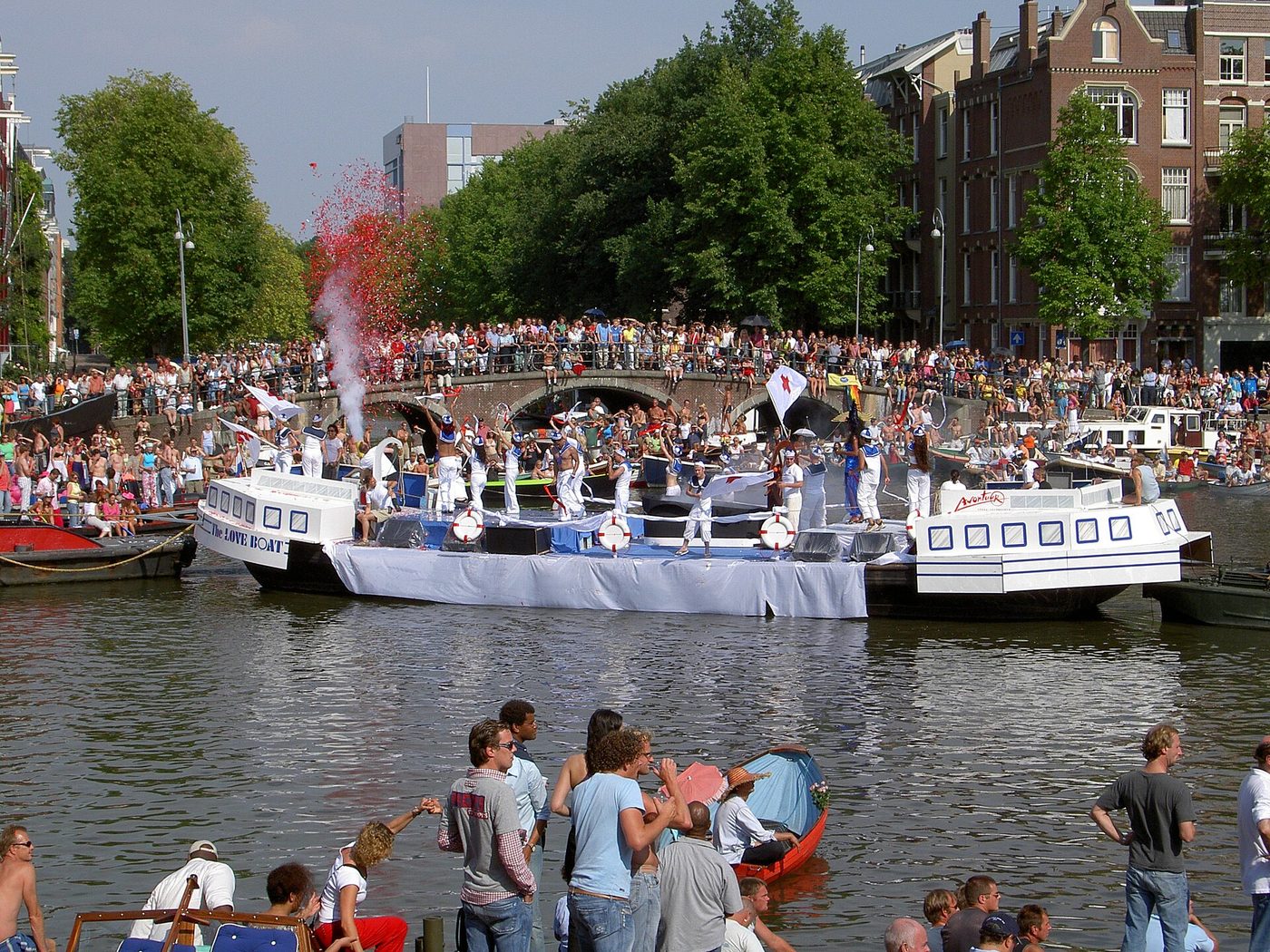
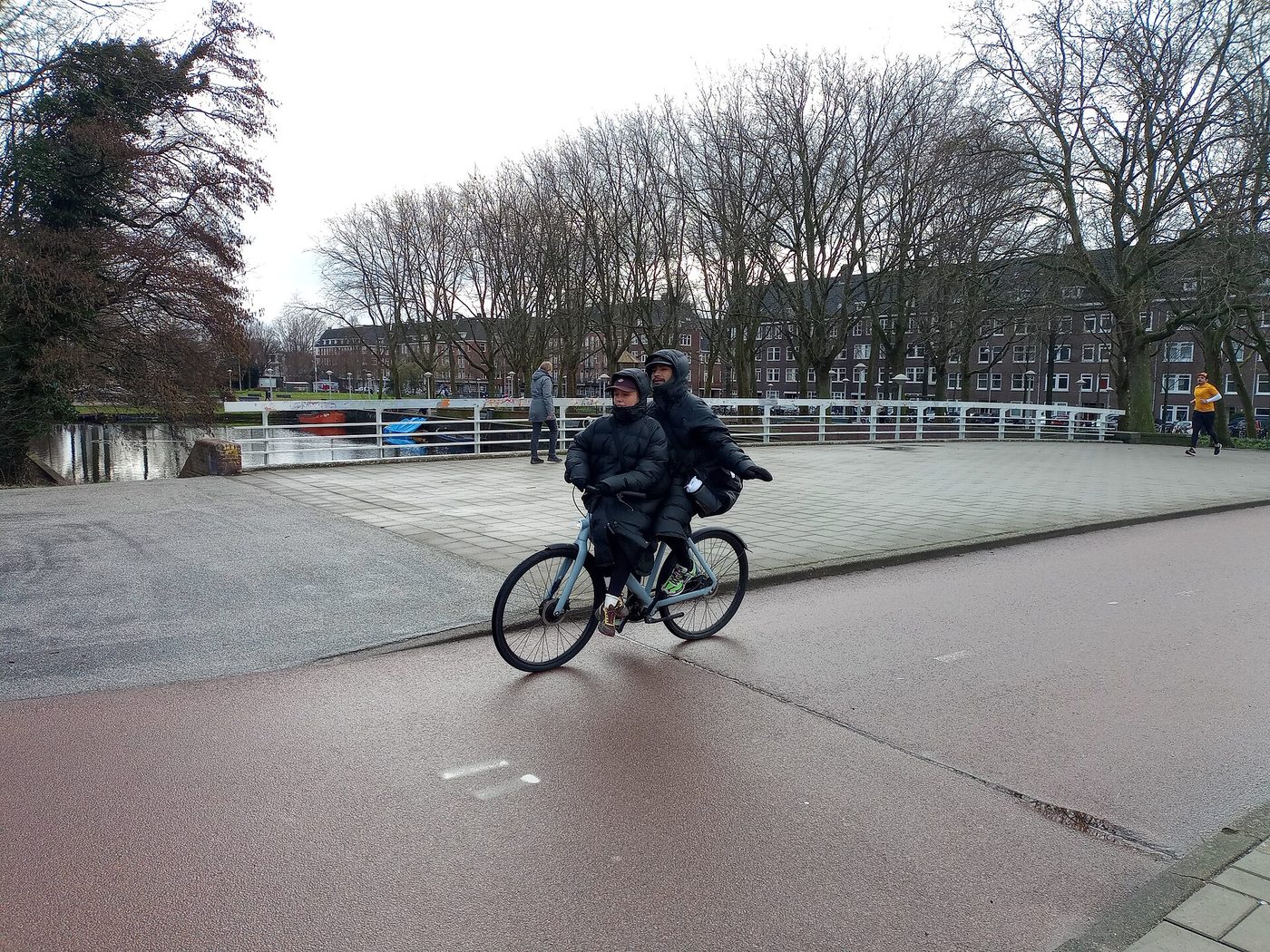
Values and norms are about how people live together in the Netherlands: equal treatment, the freedoms in the Constitution, what the law forbids and how people behave towards each other. In the integration process you also sign a statement that you know and respect these values.
Daily life is the practical side of the same theme: cycling and traffic rules, public transport, holidays and traditions, shopping and paying, and how to meet people. These are the things you notice only by living in the Netherlands, so they are worth reading in advance.
The KNM does not ask for your opinion; it asks whether you know the rules. When a question describes something that is against the law or against equality, the right answer is the one that follows the law.
Values and norms in the Netherlands
Equality, the freedoms in the Constitution, what the law forbids and how people behave towards each other.
What each guide covers
- Equal treatment and non-discriminationArticle 1 of the Constitution says that everyone in the Netherlands is treated equally in equal cases.
- Freedom of religion, expression and assemblyThe Constitution protects many freedoms.
- What is forbidden and what is protectedSome behaviour is clearly against Dutch law, even if it is accepted in other countries or families.
- Manners and everyday normsBesides the law there are unwritten rules.
Remember for the exam
- Article 1 of the Constitution: equal treatment, and discrimination is forbidden.
- Freedom of religion, speech and assembly exist, but with limits: no hate, no violence.
- Men and women are equal; same-sex marriage has been legal since 2001; marriage needs free consent and age 18.
- Violence in the family, forced marriage and genital mutilation are forbidden. Help: Veilig Thuis.
- Be on time, be direct and polite, respect other people’s freedom.
Daily life, traffic and customs in the Netherlands
Cycling and traffic rules, public transport, holidays and traditions, shopping, money and visiting people.
What each guide covers
- Cycling and traffic rulesThe bicycle is the most typical Dutch means of transport.
- Public transport and drivingTrains, buses, trams and metros connect the whole country.
- Holidays and traditionsHolidays are days off for many people, and several have their own traditions.
- Shopping, money and eatingPaying by card is normal, and in many shops cash is not accepted.
- Meeting people and getting involvedPeople in the Netherlands like to arrange things in advance.
Remember for the exam
- On a bike you need working lights and a lock; traffic from the right has priority unless signs say otherwise.
- Check in and out with your OV-chipkaart or bank card; travelling without a ticket is fined.
- 27 April King’s Day, 4 May remembrance, 5 May liberation, 5 December Sinterklaas, 25–26 December Christmas.
- Paying by card (pinnen) is normal; you need a bank account with an IBAN.
- Make an appointment before you visit; be on time; greet people; join a club or do volunteer work.
A sample question from the bank
Vraag: Wat betekent vrijheid van meningsuiting? Antwoord: U mag zeggen wat u vindt, maar u mag anderen niet beledigen of bedreigen. (What does freedom of speech mean?)
Vraag: Wie heeft voorrang bij een kruispunt zonder borden of lichten? Antwoord: Verkeer van rechts.
Questions people ask
What is the participation declaration?
A statement in which you say you respect the basic values of Dutch society and want to take part in it. It is part of the civic integration process for many people.
Do I have to say yes to everything to be polite?
No. Dutch communication is direct: you can say no in a polite way, and people expect clear answers.
Is it forbidden to say what I think?
No. Freedom of speech is protected. But there are limits: you may not threaten people, incite hatred or violence, or insult a group because of who they are. These things are punishable.
Are men and women equal before the law?
Yes. Men and women have the same rights to study, work, vote, own a bank account, choose a partner and divorce. Girls and boys go to school together, and discrimination because of gender is forbidden.
Where can I get help with violence at home?
Violence in a relationship or against a child is forbidden. You can contact Veilig Thuis, the advice and reporting centre for domestic violence and child abuse, and in danger you call 112. Telling someone is never a betrayal; it is allowed and it protects people.
More guides

Ready to practise?
Study the questions by theme, then take the timed practice exam.