KNM topic guide
Politics, law and history (Politiek en geschiedenis)
The king, parliament, the cabinet, elections, the municipality, the police and courts, and the key moments of Dutch history and geography: the politics and history themes of the KNM exam.
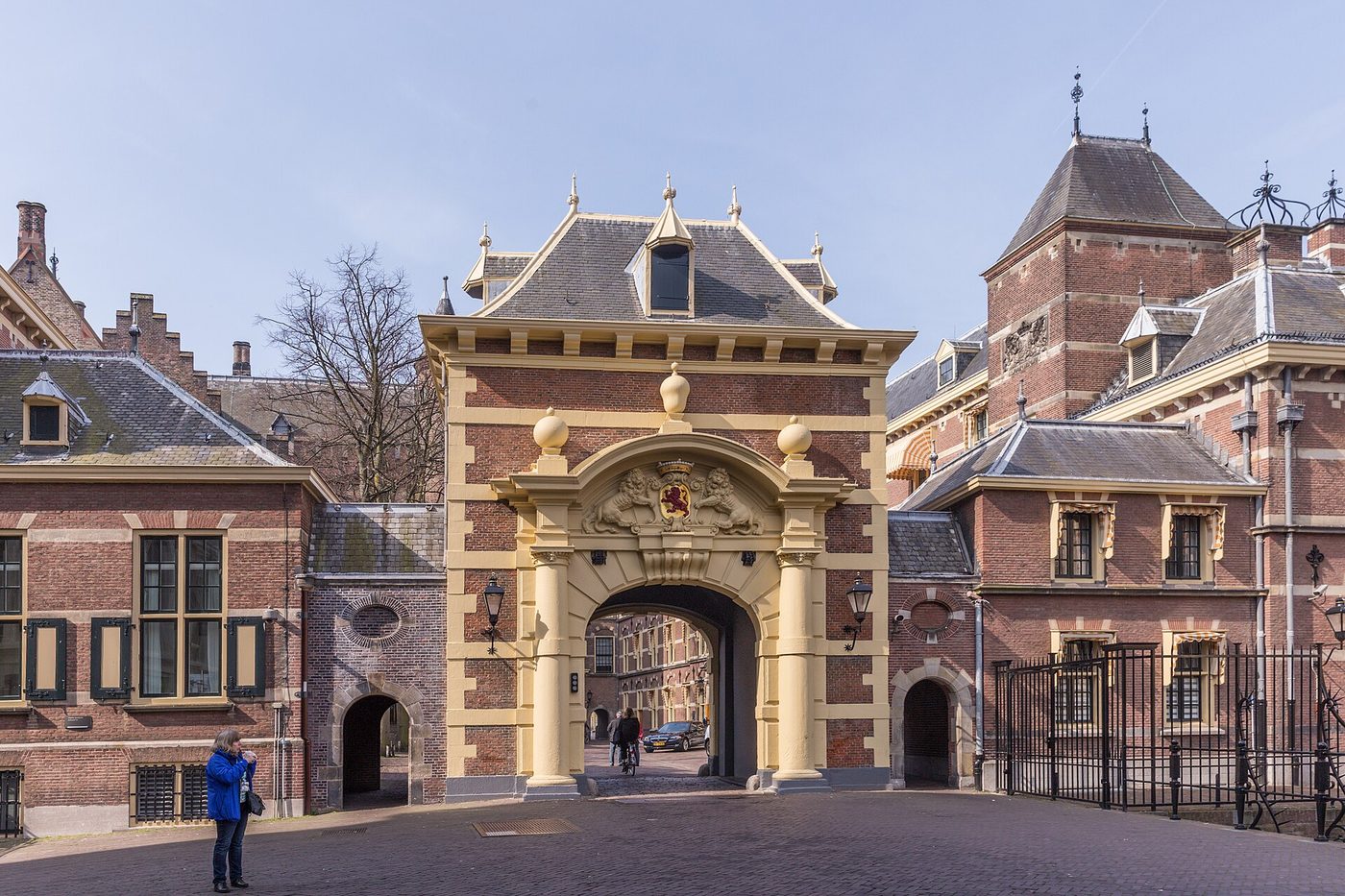
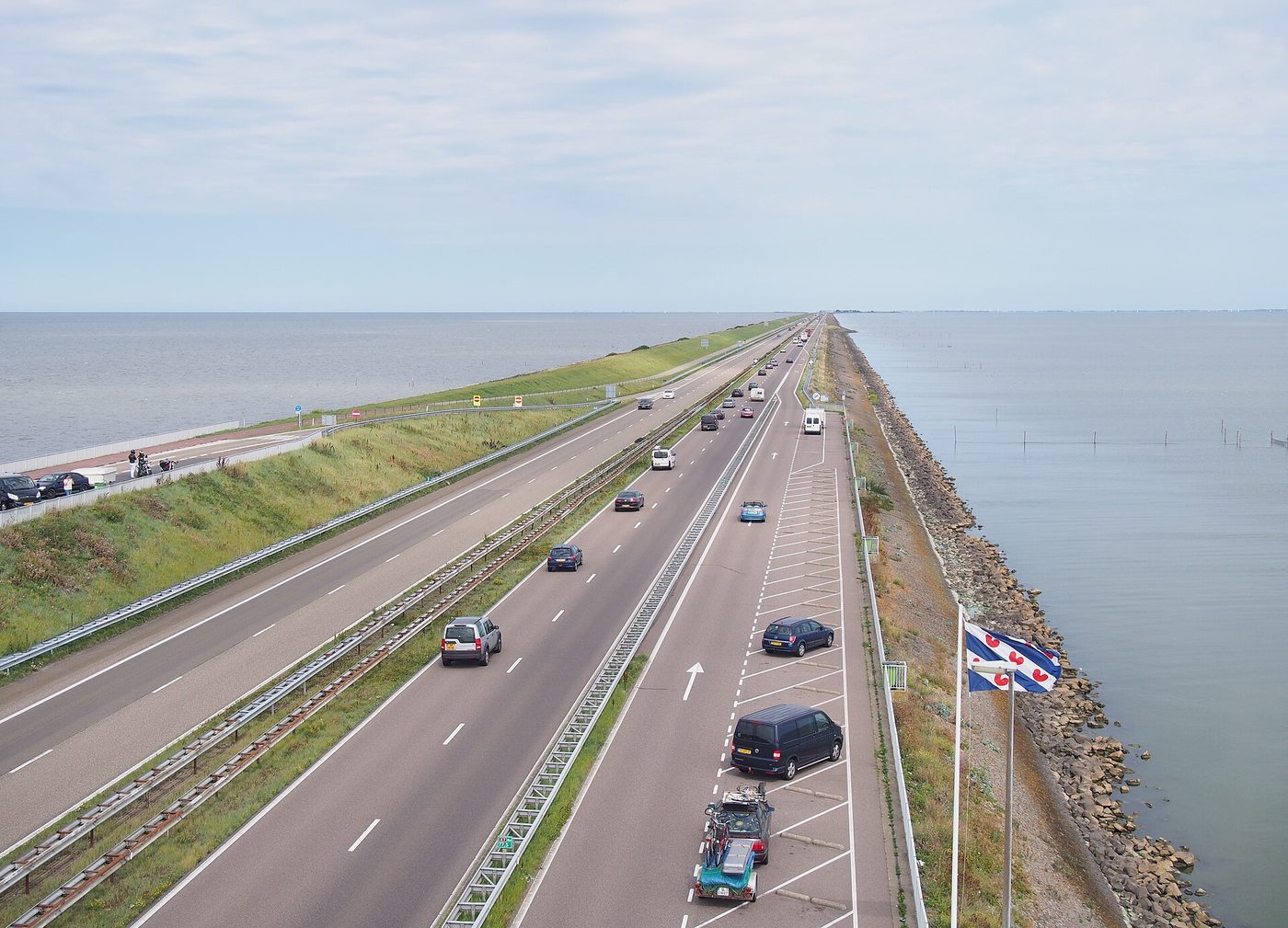
Politics, history and geography are the knowledge themes of the KNM: how the country is governed, how people vote, and the places and events everybody in the Netherlands is expected to know. They are the themes where learning a few key facts pays off most.
Learn the main institutions (the king, the Tweede Kamer, the municipality), the dates that come up again and again (1568–1648, 1953, 1940–1945, 4 and 5 May), and the geography: twelve provinces, Amsterdam as the capital and The Hague as the seat of government.
Politics and the law in the Netherlands
The king and the government, parliament, elections, the municipality, and the police and the courts.
What each guide covers
- The king and the governmentThe head of state is the king, since 2013 King Willem-Alexander.
- Parliament: the House of Representatives and the SenateParliament (Staten-Generaal) has two chambers.
- Elections and votingThe Netherlands has free, secret and regular elections.
- Province, municipality and water boardThe Netherlands is divided into three levels of government below the national one.
- The police, the courts and your rightsThe law applies to everyone, including the government.
Remember for the exam
- The Netherlands is a constitutional monarchy and a parliamentary democracy; the ministers are responsible, not the king.
- Tweede Kamer (150) makes laws and checks the government; Eerste Kamer (75) reviews the laws.
- You can vote from 18, elections are held every four years, the vote is secret, and a coalition of several parties governs.
- 12 provinces, municipalities (mayor, municipal council) and water boards; you go to the municipality for passport and registration.
- Judges are independent; if you are arrested you have the right to a lawyer and to remain silent.
History and geography of the Netherlands
The country and its water, the provinces and cities, and the key events from the Eighty Years’ War to today.
What each guide covers
- The country and its provincesThe Netherlands (the European part) borders Germany in the east, Belgium in the south and the North Sea in the west and north.
- Living with waterAbout a quarter of the country lies below sea level, and much of the land was reclaimed from the water.
- The Eighty Years’ War and the Golden AgeIn the 16th century the Netherlands was ruled by the Spanish king.
- From kingdom to democracyAfter the French period the Netherlands became a kingdom in 1815.
- The Second World War and afterGermany attacked the Netherlands on 10 May 1940.
Remember for the exam
- 12 provinces; Amsterdam is the capital, The Hague is the seat of government; Rotterdam has the biggest port.
- A large part of the country lies below sea level: dikes, polders, the Delta Works after the 1953 flood.
- Eighty Years’ War 1568–1648; Golden Age in the 17th century (VOC, Rembrandt).
- 1848 Constitution, 1917 and 1919 universal voting rights, 1957 EU founding member.
- WWII: occupied 1940–1945; 4 May remembrance, 5 May liberation.
A sample question from the bank
Vraag: Hoeveel leden heeft de Tweede Kamer? Antwoord: 150.
Vraag: In welke stad zit de regering en het parlement? Antwoord: Den Haag. (In which city are the government and parliament? The Hague.)
Questions people ask
Is Amsterdam or The Hague the capital?
Amsterdam is the capital; the government and parliament sit in The Hague. The exam asks both.
Do I need to know the current ministers?
The king is the main name to know. Names of ministers change after elections, so focus on the roles.
Who makes the laws in the Netherlands?
The government and the parliament together. The government prepares laws, the House of Representatives (Tweede Kamer, 150 members) can change and accept them, and the Senate (Eerste Kamer, 75 members) reviews them once more. The king signs them, but the ministers are responsible.
Who can vote and how often are there elections?
Dutch citizens aged 18 and older vote for the House of Representatives, the provinces, the municipalities and the water boards, normally every four years. Other nationalities who live legally in the Netherlands can usually vote in municipal elections after five years. The vote is secret.
Which dates should I know?
1568–1648 the Eighty Years’ War; the 17th century as the Golden Age; 1848 the Constitution that began parliamentary democracy; 1953 the flood that led to the Delta Works; 1940–1945 the German occupation; 4 May Remembrance Day and 5 May Liberation Day.
More guides

Ready to practise?
Study the questions by theme, then take the timed practice exam.