KNM topic guide
Health care and education (Gezondheid en onderwijs)
The family doctor, health insurance, emergencies, school types, compulsory education and childcare: the health and education themes of the KNM exam with a real practice question in Dutch.
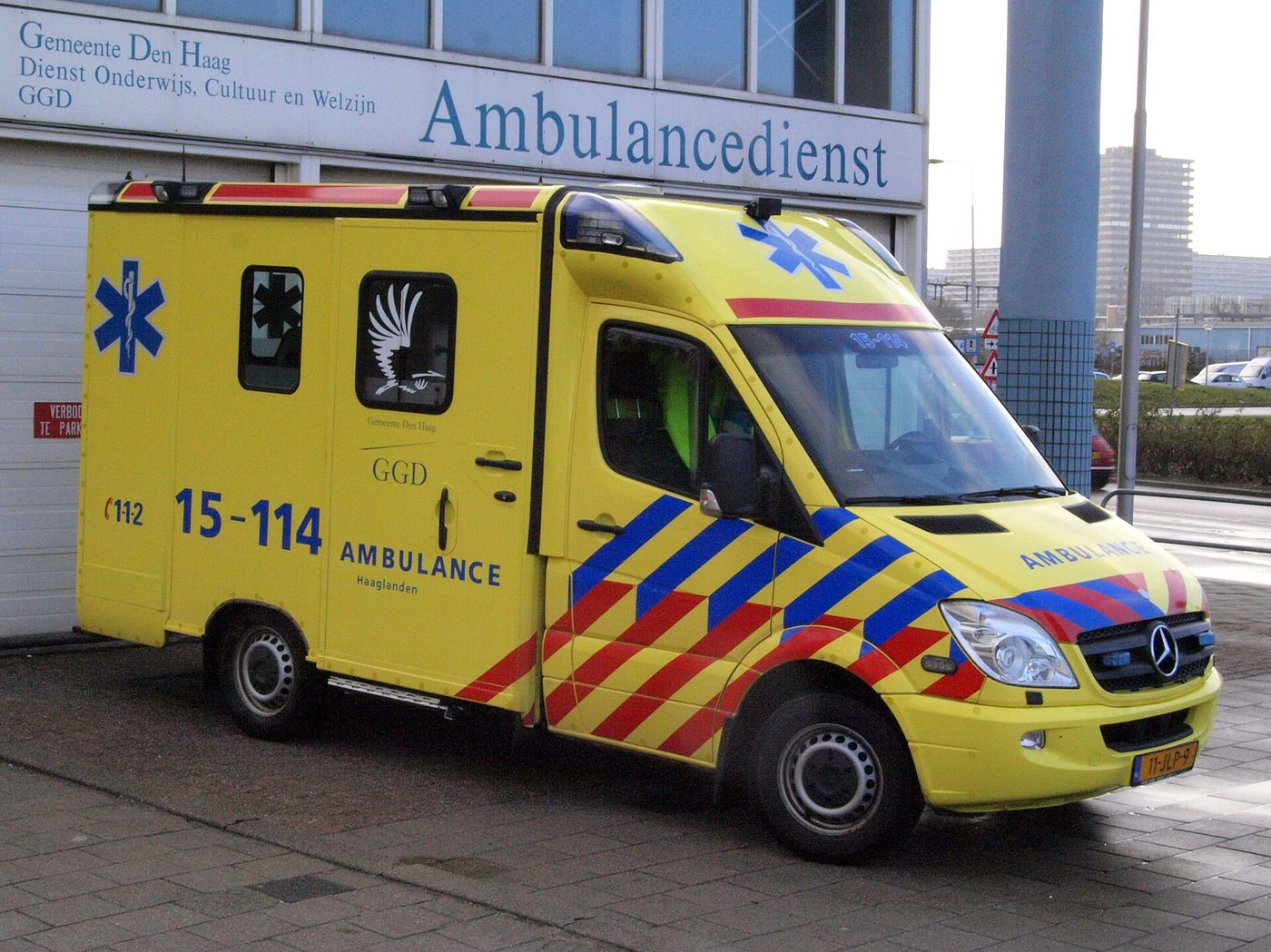
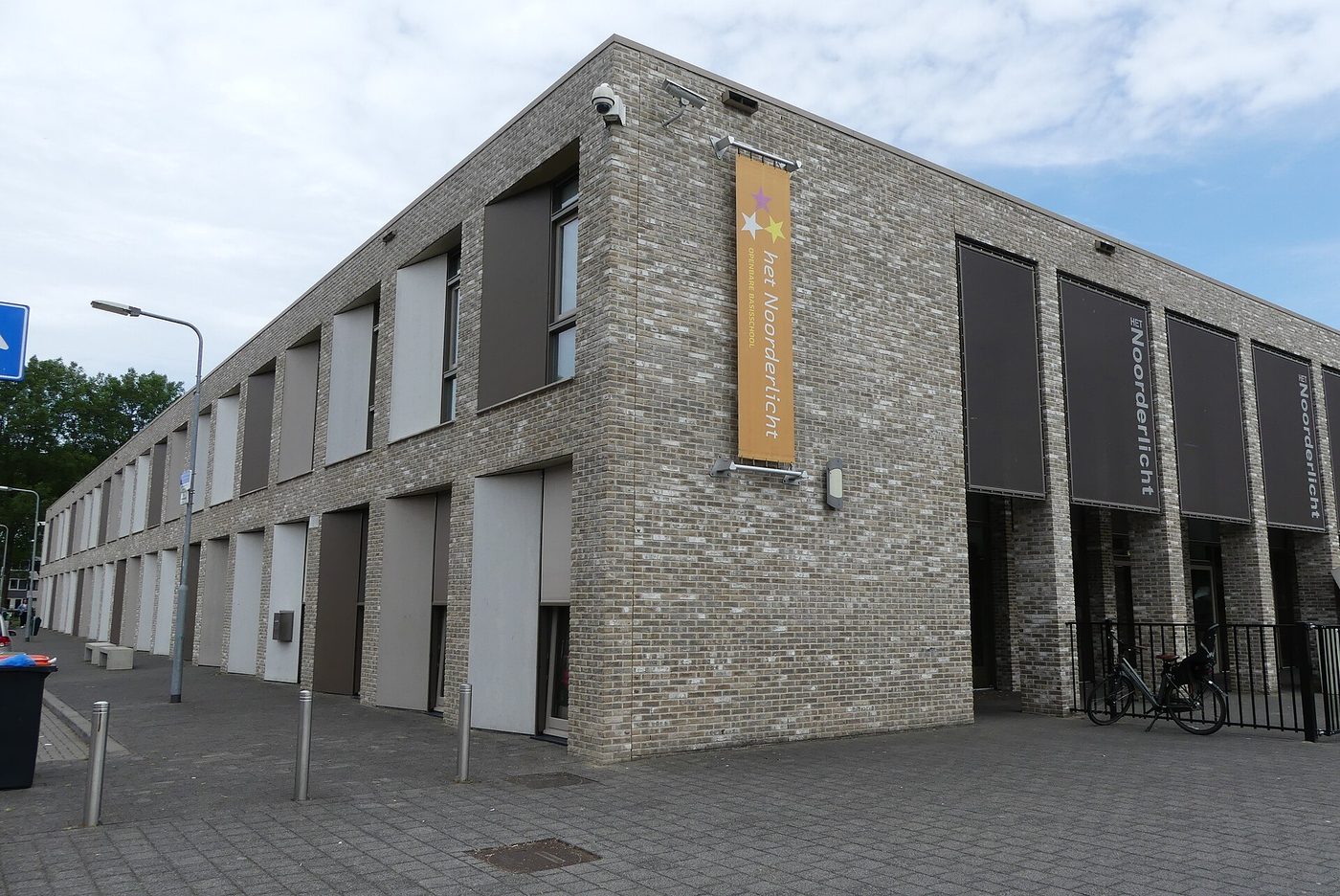
Health care and education are the themes that matter most if you have a family. The KNM asks who you go to first when you are ill, how health insurance works, and how the school system and compulsory education are organised.
The guides explain the order of Dutch health care (family doctor, then referral), the numbers to call in an emergency, the school levels from primary school to university, and what parents are expected to do.
Health care in the Netherlands
The family doctor, compulsory health insurance, the pharmacy, emergencies and care for children.
What each guide covers
- The family doctor (huisarts)The family doctor is your first point of contact for almost every health problem.
- Health insurance is compulsoryEveryone who lives or works in the Netherlands must take out basic health insurance (basisverzekering) with a health insurer (zorgverzekeraar).
- Emergencies and out-of-hours careKnowing the right number to call matters.
- Pharmacy, dentist and other careMedicines come from the pharmacy (apotheek), usually on a prescription (recept) from your doctor.
- Care for babies and childrenBabies and young children (up to four years) go regularly to the well-baby clinic (consultatiebureau).
Remember for the exam
- Go to your family doctor first; only they refer you to a specialist or the hospital.
- Health insurance is compulsory for everyone: take it out within four months.
- Every year you pay the first part of your costs yourself (eigen risico), except the family doctor.
- 112 is for life-threatening emergencies; the out-of-hours GP service is for urgent problems in the evening, night and weekend.
- Babies go to the consultatiebureau for check-ups and vaccinations; it is free.
Education and parenting in the Netherlands
Compulsory education, the school types, childcare, working with the school and bringing up children in Dutch society.
What each guide covers
- Compulsory educationIn the Netherlands, school is compulsory from the age of five (leerplicht).
- The school systemThe Dutch school system has a clear path from primary school to secondary school and then to vocational education or university.
- Choosing a schoolParents are free to choose a school.
- Childcare before and after schoolMany parents work, so childcare is common.
- Parents, teachers and bringing up childrenDutch schools expect parents to be involved.
Remember for the exam
- School is compulsory from five; children may start at four.
- Primary school has eight groups; after that VMBO, HAVO or VWO, then MBO, HBO or university.
- Parents are free to choose a school, and the government pays for public and special schools.
- A childcare allowance helps pay for daycare if you work or study.
- Violence against children is forbidden; help is available via Veilig Thuis.
A sample question from the bank
Vraag: Vanaf welke leeftijd is een kind in Nederland leerplichtig? Antwoord: Vanaf 5 jaar. (From what age must a child go to school?)
Vraag: Wat is het eigen risico? Antwoord: Het bedrag aan zorgkosten dat u zelf betaalt voordat de verzekeraar betaalt.
Questions people ask
When do I call 112?
For a serious accident, a fire or a life-threatening situation. For an ordinary illness, call the huisarts.
Is school free?
Attending primary and secondary school is compulsory and largely paid by the government; some costs, such as a contribution for school trips, can still exist.
Do I need a referral to see a specialist?
Yes, in almost all cases. You go to your family doctor (huisarts) first, who treats you or gives you a referral (verwijzing) to a specialist or the hospital. The main exceptions are an emergency, the dentist and the midwife.
From what age is school compulsory?
From the age of five, although most children start primary school at four. After 16 there is a duty to obtain a starting qualification: you keep studying until you are 18 or have a diploma of at least HAVO, VWO or MBO level 2.
Which number do I call in an emergency?
Call 112 for a life-threatening emergency (ambulance, fire brigade or police). For urgent medical problems in the evening, at night or at the weekend, call the out-of-hours GP service (huisartsenpost), not 112.
More guides

Ready to practise?
Study the questions by theme, then take the timed practice exam.