Examen civique · France
The French civic exam
The 40-question computer exam on the principles, institutions, rights, history and daily life of France, required for a first multi-year residence permit, a resident card or naturalisation.
Since 1 January 2026 the examen civique is compulsory for people who ask for a first multi-year residence permit, a first resident card or French nationality. It checks that you know the values, the institutions, the history and the everyday rules of France.
It is a digital test of 40 multiple-choice questions in French, with four options each and a maximum of 45 minutes. Twenty-eight questions test your knowledge and twelve put you in a situation. You pass with 32 right answers, which is 80%.
Here you can read a guide to each of the six topics of the exam, study the questions and take a timed practice exam. The questions are original Asagno questions in French, with English and Arabic help.
The civic exam is only the knowledge test. The French language level that your permit or nationality requires is checked separately, with a language test: practise French itself with the practice exams. Practise French exams
The exam at a glance
Questions
40, four options each
Split
28 knowledge + 12 situations
Time
45 minutes, on a computer or tablet
To pass
32 of 40 (80%)
Required for
First multi-year residence permit, resident card, naturalisation
Scoring
1 point per correct answer, nothing for a wrong or missing one
Practise
Study the questions first, then take the timed practice exam to see where you stand.
Study the questions
Every question of the practice bank with its answer, by topic. Check yourself, reveal the answer and mark what you don’t know yet.
Timed practice exam
40 questions drawn at random from the bank, with the real exam’s time limit and pass mark.
Coming soon
What the exam covers
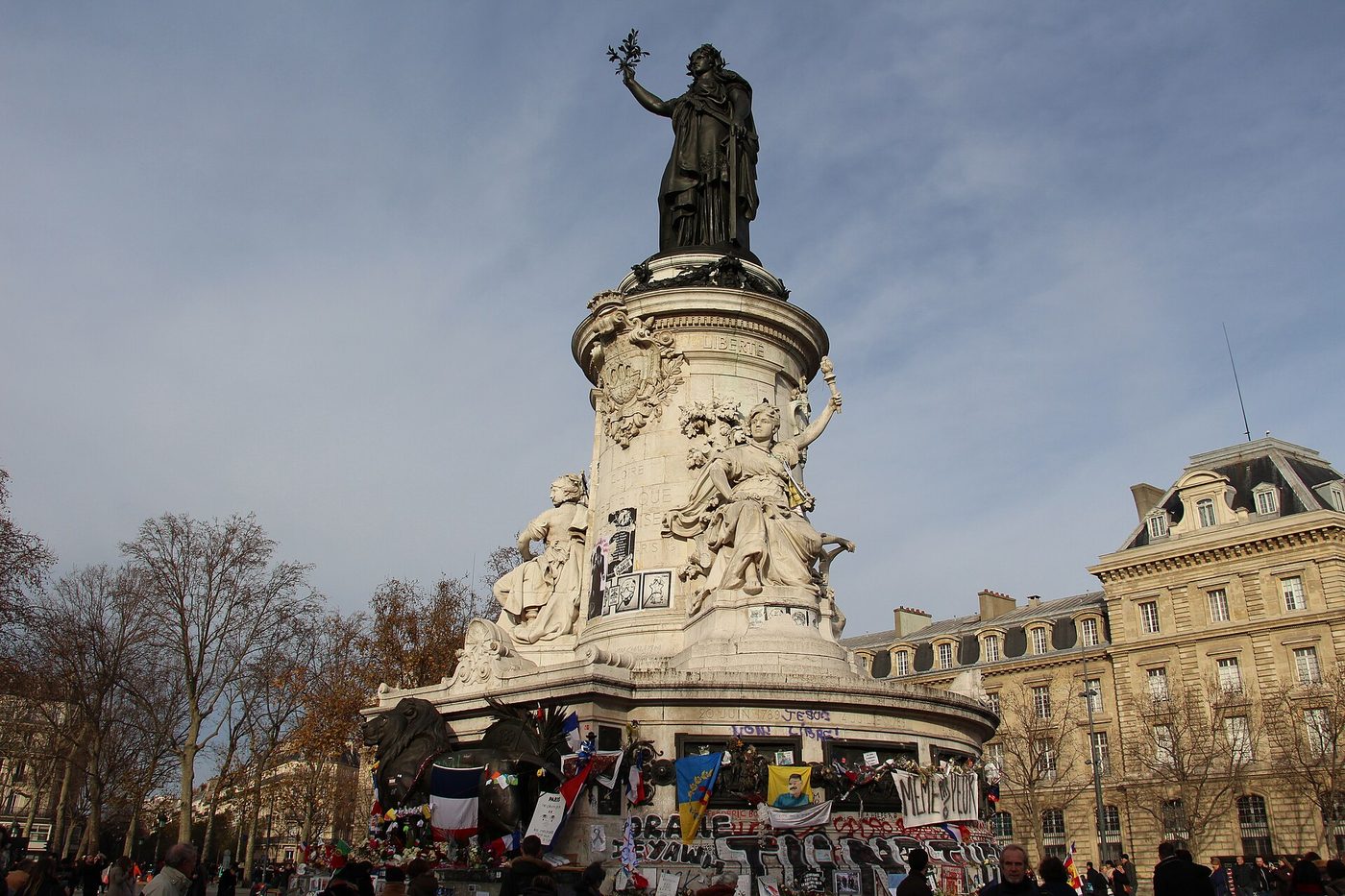 Principles and values of the RepublicLiberty, equality, fraternity, laïcité, the symbolsRead the guide
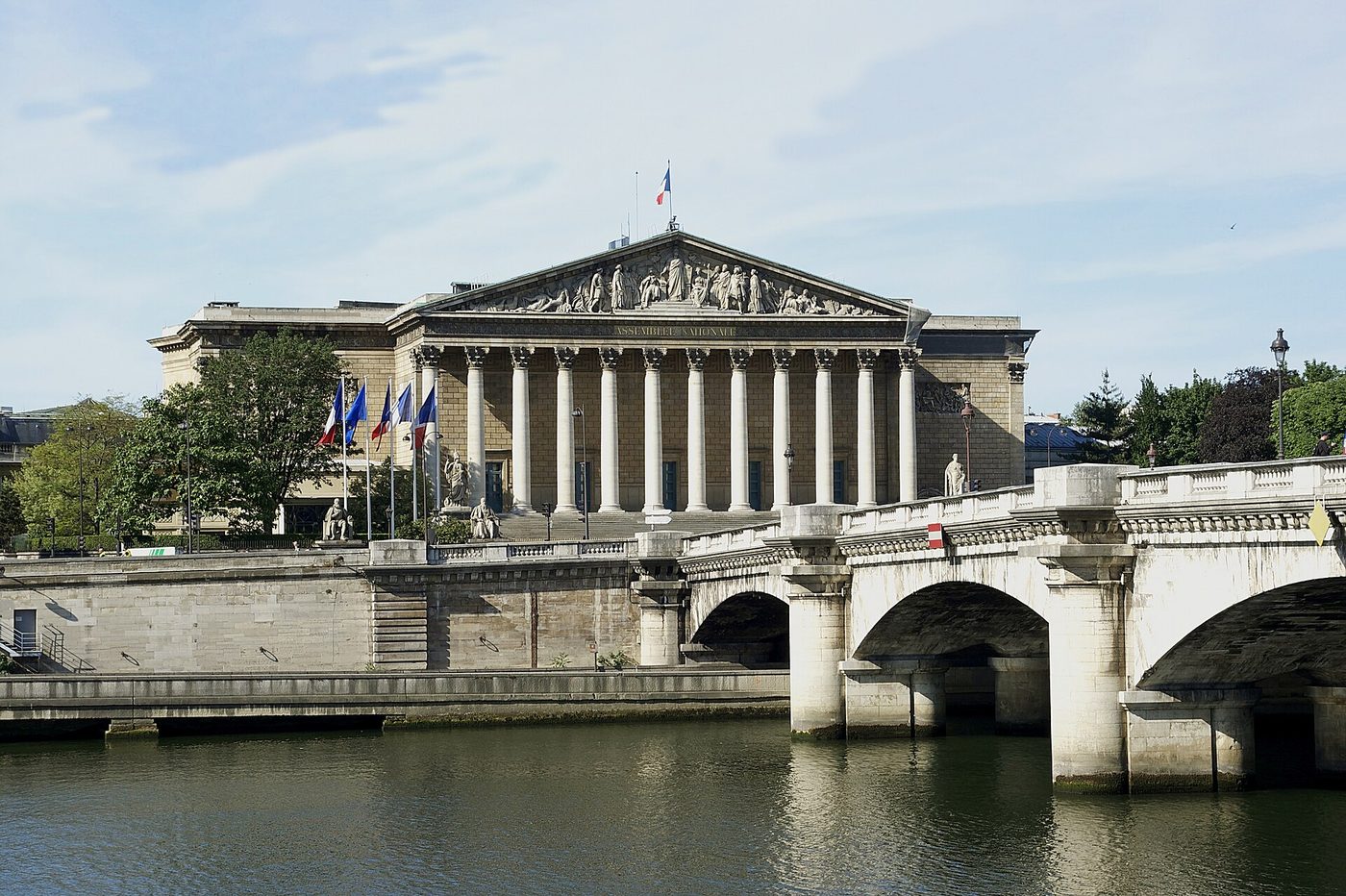 Institutions and politicsThe President, Parliament, elections, local government, justiceRead the guide
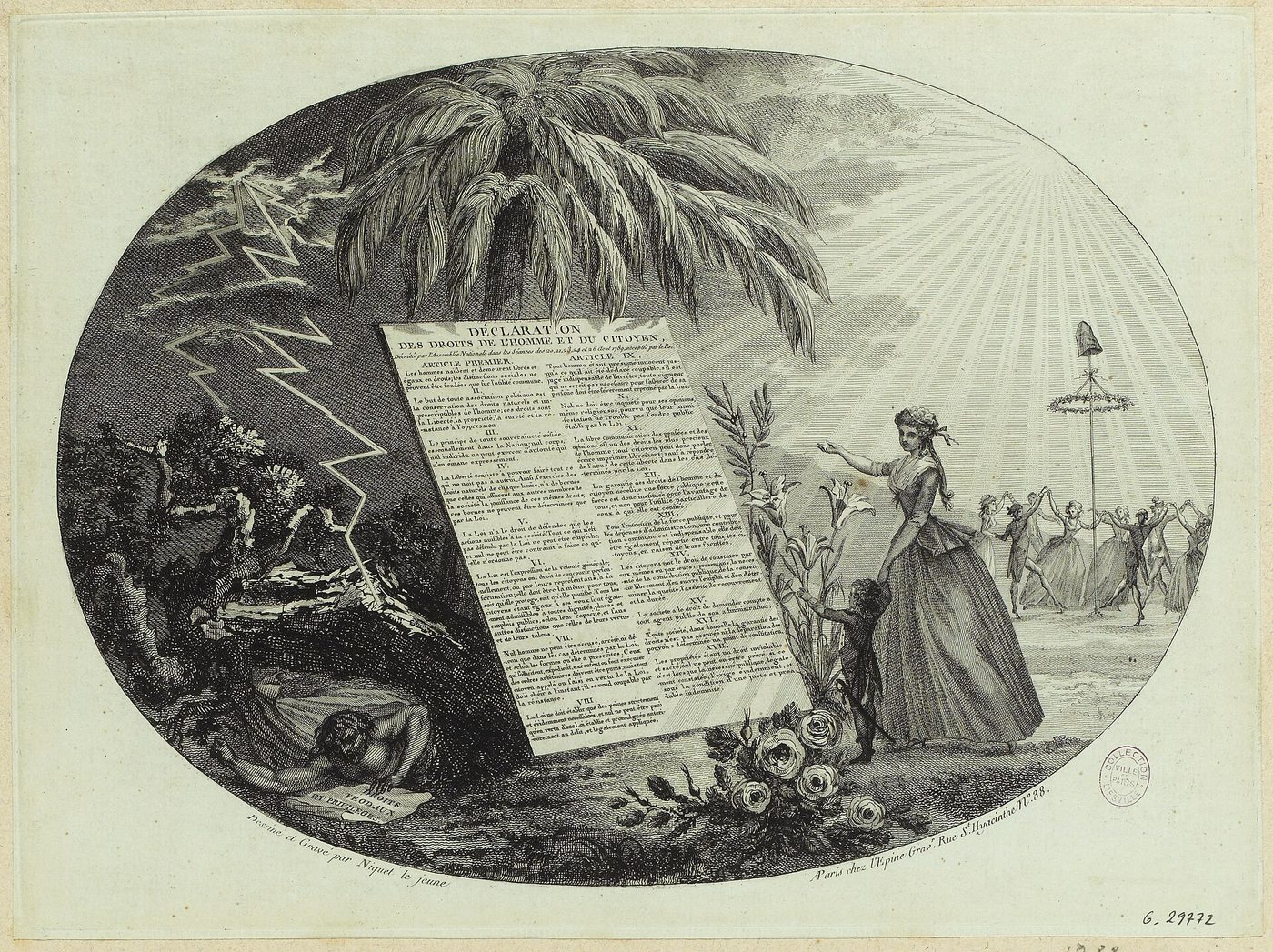 Rights and dutiesFreedoms, taxes, school, work, health, emergency numbersRead the guide
 History, geography and cultureThe Revolution, the world wars, the map, monuments, writersRead the guide
 Living in French societyPublic services, taxes, politeness, holidays, transportRead the guide
 SituationsWhat do you do when…? School, work, administration, neighboursRead the guide
Photo credits
- The principles and values of the French Republic: Photo: Fred Romero from Paris, France, CC BY 2.0, via Wikimedia Commons
- The institutions and the political system of France: Photo: Jebulon, CC0, via Wikimedia Commons
- Rights and duties in France: Photo: Niquet, Claude, CC0, via Wikimedia Commons
- History, geography and culture of France: Photo: Julian Lupyan, Public domain, via Wikimedia Commons
- Living in French society: Photo: Thérèse Gaigé, CC0, via Wikimedia Commons
- The situation questions (mises en situation): Photo: Maxime Homme, CC0, via Wikimedia Commons
All photos are public domain or freely licensed (CC0, CC BY, CC BY-SA). Every guide shows the credit of each of its photos.
Guides
- Principles and values of the RepublicLiberty, equality, fraternity, laïcité, equality between women and men and the symbols of the Republic: the values theme of the French civic exam, with a real practice question.Principles and values of the RepublicRead the guides
- Institutions and the political systemThe President, the Prime Minister, Parliament, the Constitutional Council, elections, regions, départements and communes: the institutions theme of the French civic exam, with a real practice question.Institutions and politicsRead the guides
- Rights and dutiesEquality and non-discrimination, schooling, work, health and social security, emergency numbers and what is forbidden in France: the rights and duties theme of the French civic exam.Rights and dutiesRead the guides
- History, geography and culture of FranceThe Revolution, Napoleon, the world wars, the Resistance, women’s vote, the euro, geography, writers, scientists and landmarks: the history, geography and culture theme of the French civic exam.History, geography and cultureLiving in French societyRead the guides
- The situation questions (mises en situation)The 12 situation questions of the French civic exam: neighbours, school, work, discrimination, emergencies and civic duties, how to think about them and a real example in French.SituationsRead the guides
How it works, step by step
Check that you must take the exam
The exam is linked to certain applications. Check yours before you pay, so that you do not take a test you do not need or miss one you do.
- It applies to a first multi-year residence permit (carte de séjour pluriannuelle), a first resident card (carte de résident) and naturalisation.
- Some people are exempt, for example because of age, health or a situation that the law lists. The rules can change, so read the official page.
- The language level is a separate requirement, often proved with a French test. Ask your préfecture what it asks for in your case.
- If you are unsure, ask the préfecture or a lawyer; do not decide from forums.
Know the format of the exam
The exam is the same for everybody, and knowing how it is built takes away most of the surprise.
- 40 questions on a computer or tablet, each with four possible answers and only one correct.
- 28 questions are knowledge questions (values, institutions, rights and duties, history, geography, culture and life in society).
- 12 questions are “mises en situation”: a short story where you choose what to do or what is allowed.
- You have a maximum of 45 minutes, one point per right answer, nothing for a wrong or missing one, and you need 32 points.
Get the official candidate guide
The French government publishes a free guide for candidates with the content of the exam. It is the best base for your study.
- The guide is published by France Éducation international and lists the themes, with explanations and examples of questions.
- Read it once through, then go back to the parts you do not know.
- Use our guides next to it: they explain the same ideas in English and Arabic with the French words you will see in the questions.
Read the six topic guides
Our guides cover the six topics of the question bank: values, institutions, rights and duties, history and culture, life in society and situations.
- Each guide has photos, short sections, a list of French words with their meaning and a box of things to remember.
- Read one guide a day. Six guides in six days is a good rhythm for most people.
- Start with the values of the Republic: the other themes come from them, and laïcité and equality come up in many situation questions.
Learn the numbers, dates and words
A good share of the knowledge questions ask for a number, a name or a date. They are easy points once learned.
- Dates: 1789 (the Revolution, 14 July), 1905 (laïcité), 1944 (women’s vote), 1958 (the Fifth Republic), 1918 and 1945.
- Numbers: 577 deputies, 348 senators, 5 years for the President, 15-17-18-112 for emergencies, 101 départements.
- Words: laïcité, préfecture, mairie, Carte Vitale, Défenseur des droits.
- Write them on cards and review them every day.
Study the questions by topic
After each guide, study the questions of that topic. You see the question in French, with the English or Arabic help under it, and you can mark those you do not know.
- Open the study page from the guide: it goes straight to the questions of that topic.
- Mark the questions you got wrong or guessed, and check them again two or three days later.
- Do not memorise the position of the answer: the practice exam changes the order of the options.
Train with the situation questions
Twelve questions are about situations. They are not harder, but they need a different way of reading.
- Read the whole story, find who is involved and what the problem is, then ask which answer is legal, equal, peaceful and safe.
- Never choose violence, an insult or taking the law into your own hands, even if it feels fair.
- Read our guide on situations for typical cases at school, at work, with the administration and in daily life.
Take the timed practice exam
When you have read the guides and studied the questions, take the practice exam in the same conditions as the real one.
- 40 questions (28 knowledge and 12 situations), 45 minutes, with a timer. Do it in one go, without notes.
- You get the score and a review of every answer. Aim for at least 35 out of 40 to be safe over the 32 needed.
- Repeat it until you pass several times in a row.
Register with an approved centre
You take the exam in an approved examination centre. The way to register, the fee and the dates depend on the centre, so check the official information first.
- Look for the list of approved centres on the official site, choose one near you and book a date.
- The fee is set by the centre or by the rules in force, so look at the current amount before you pay.
- Bring a valid identity document. If you need adapted conditions because of a disability, ask when you register.
Exam day, results and what comes next
Arrive early and stay calm. You answer on a screen, and you get a result that you add to your application.
- Answer every question: a wrong answer takes nothing away. Do the easy ones first and keep an eye on the clock.
- If you pass (32 or more), you receive a certificate that you give to the préfecture or add to your online file.
- If you do not pass, you can take the exam again; check how soon and at what cost, and use the review of your practice answers to see what to improve.
- Then you continue the application: the language certificate if it is required, and the other documents of your préfecture.
Questions people ask
What is the examen civique?
It is the French civic exam: a test of 40 multiple-choice questions on the values, institutions, rights and duties, history, culture and daily life of France. It has been compulsory since 1 January 2026 for a first multi-year residence permit, a first resident card and naturalisation.
How many questions are there, and what is the pass mark?
There are 40 questions with four answers each. You need 32 right answers, which is 80%. A wrong or missing answer gives no point and does not take any away, so answer all of them.
How long does the exam last?
A maximum of 45 minutes for the 40 questions. That is a little more than a minute a question, which is enough if you do not stay too long on one.
What are the “mises en situation”?
They are 12 of the 40 questions. Instead of asking a fact, they describe a short situation, for example at school, at work or with the administration, and you choose what to do or what is allowed. The right answer follows the law and the values of the Republic.
Is the exam in French only?
Yes. The language is simple, but you must read the questions in French. That is why we show the French text first, with English or Arabic help under it. Use the help only to check that you understood.
Are these the real exam questions?
No. They are original Asagno questions on the same themes as the official candidate guide. You will not see the same wording on the day, so use them to learn the topics and the style, not to memorise answers.
Do I also need a French language test?
For most applications, yes: a French level is required separately, and the level depends on the permit or on naturalisation. The civic exam does not replace it. Ask your préfecture what it asks for in your case.
Who is exempt from the exam?
The law lists some exemptions, for example for certain ages, health situations or particular statuses. The rules are personal and can change, so ask the préfecture instead of deciding by yourself.
How much does it cost and where do I take it?
You take it in an approved examination centre, and the fee and the dates depend on the rules in force and on the centre. Look at the official site for the current list and the amount before you register.
What happens if I fail?
You can take the exam again. Check the official rules to know how soon and at what cost, and use the review of your practice answers to see which topics you must study more before you try again.
How long should I study?
For most people two to four weeks of regular study is enough: one guide a day, then the questions and several practice exams. If your French reading is weak, give yourself more time for the vocabulary.
Does the exam ask for my own opinion?
No. It does not test what you believe but whether you know the facts and the rules and can apply them. Answer as the law and the values of the Republic say, for example about equality or laïcité, even if it is different where you come from.
What is laïcité, and why does it come up so often?
Laïcité is the neutrality of the State towards religion: it protects the freedom to believe or not to believe, and keeps public services and public schools neutral. It comes up often because it explains many everyday situations. Our guide on the values of the Republic explains it with examples.
Can the practice exam replace the candidate guide?
No. The practice exam shows you what the test feels like and where you are weak, but the official guide is the source of the content. Read the guides and the official guide, then use the practice exam to check yourself.
Official sources
Rules and dates follow the official sources at the time of writing; always check them before you register. Asagno is not affiliated with the French government or any examination body.
Learn the language from zero
Courses that build the vocabulary and grammar you need, level by level.