Civic exam topic guide
Institutions and the political system
The President, the Prime Minister, Parliament, the Constitutional Council, elections, regions, départements and communes: the institutions theme of the French civic exam, with a real practice question.
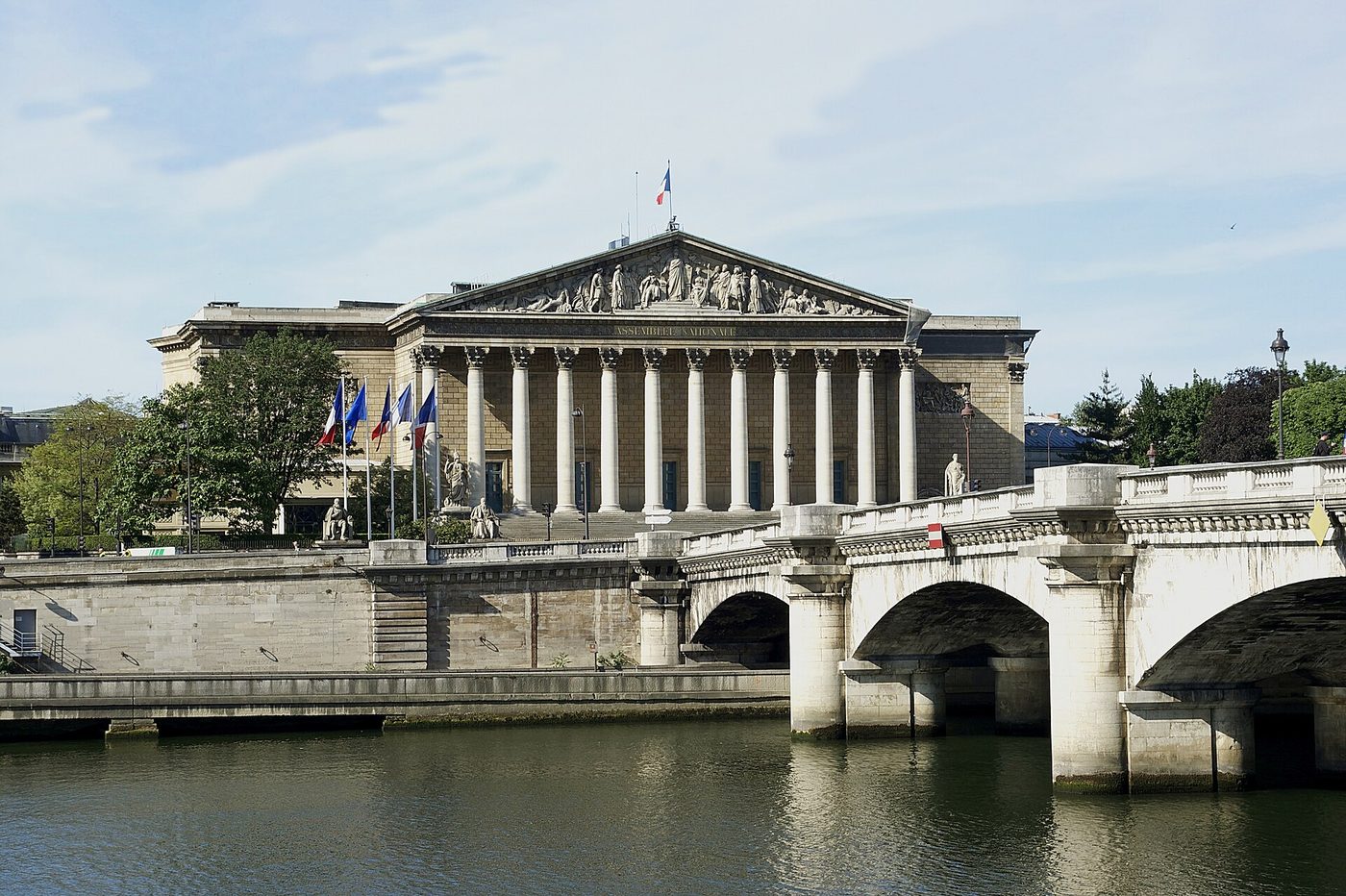
Who makes the laws, who governs and who judges? The institutions are a classic theme of the examen civique, and the answers rest on a few names and numbers.
The guide covers the President and the Prime Minister, the National Assembly and the Senate, elections and voting, the communes, départements and regions, and the justice system.
The institutions and the political system of France
The President, the Government, Parliament, elections, the justice system and local government.
What each guide covers
- The President of the RepublicThe President is the head of State.
- The Government and the Prime MinisterThe Government decides and leads the policy of the nation.
- Parliament: the National Assembly and the SenateParliament votes the laws, controls the Government and votes the budget.
- Elections and votingVoting is a right and a civic duty, although it is not obligatory in France.
- Local government: communes, départements and regionsFrance is a unitary State but it has local authorities with their own elected councils.
- Justice and the ConstitutionJustice is independent.
Remember for the exam
- President: 5-year term, elected directly, appoints the Prime Minister. Fifth Republic since 1958.
- Parliament = National Assembly (577 deputies) + Senate (348 senators); the Assembly has the last word.
- Vote from 18, registered, secret, not compulsory; two rounds for presidential and legislative elections.
- Commune (mayor, mairie), département, region; the préfet represents the State.
- Justice is independent; presumption of innocence; 17 for the police.
A sample question from the bank
Question : Combien de temps dure le mandat du Président de la République ? Réponse : 5 ans.
Question : Quelles sont les deux assemblées du Parlement français ? Réponse : L’Assemblée nationale et le Sénat.
Questions people ask
Is the Prime Minister elected?
No. The President of the Republic appoints the Prime Minister.
Who can vote in France?
French citizens aged 18 or more who are registered on the electoral roll.
How long is the term of the President?
Five years since 2000, and the President can be re-elected only once in a row. The President is elected by all the voters, in two rounds.
What is the difference between the National Assembly and the Senate?
The National Assembly has 577 deputies elected directly for five years. The Senate has 348 senators chosen by local elected officials for six years. Both vote the laws, and in a disagreement the Assembly has the last word.
More guides


Ready to practise?
Study the questions by theme, then take the timed practice exam.