Civic exam topic guide
The French civic exam (l’examen civique)
The French civic exam explained: mandatory since 2026 for a first multi-year residence permit, resident card and naturalisation; 40 multiple-choice questions in 45 minutes, 32 correct to pass; free practice in French.
The examen civique is a computer test of 40 multiple-choice questions in French, in 45 minutes. Twenty-eight questions test your knowledge and twelve are situations, and every question belongs to one of six topics.
Below are the six topics with a photo, what each guide covers and what to remember. Open a guide to read the whole topic, then study its questions. You pass with 32 right answers out of 40.
All eight topic guides
 The principles and values of the French RepublicLiberty, equality, fraternity, laïcité, the symbols of France and the idea of a Republic that is one and shared by all.Read the full guide
 The institutions and the political system of FranceThe President, the Government, Parliament, elections, the justice system and local government.Read the full guide
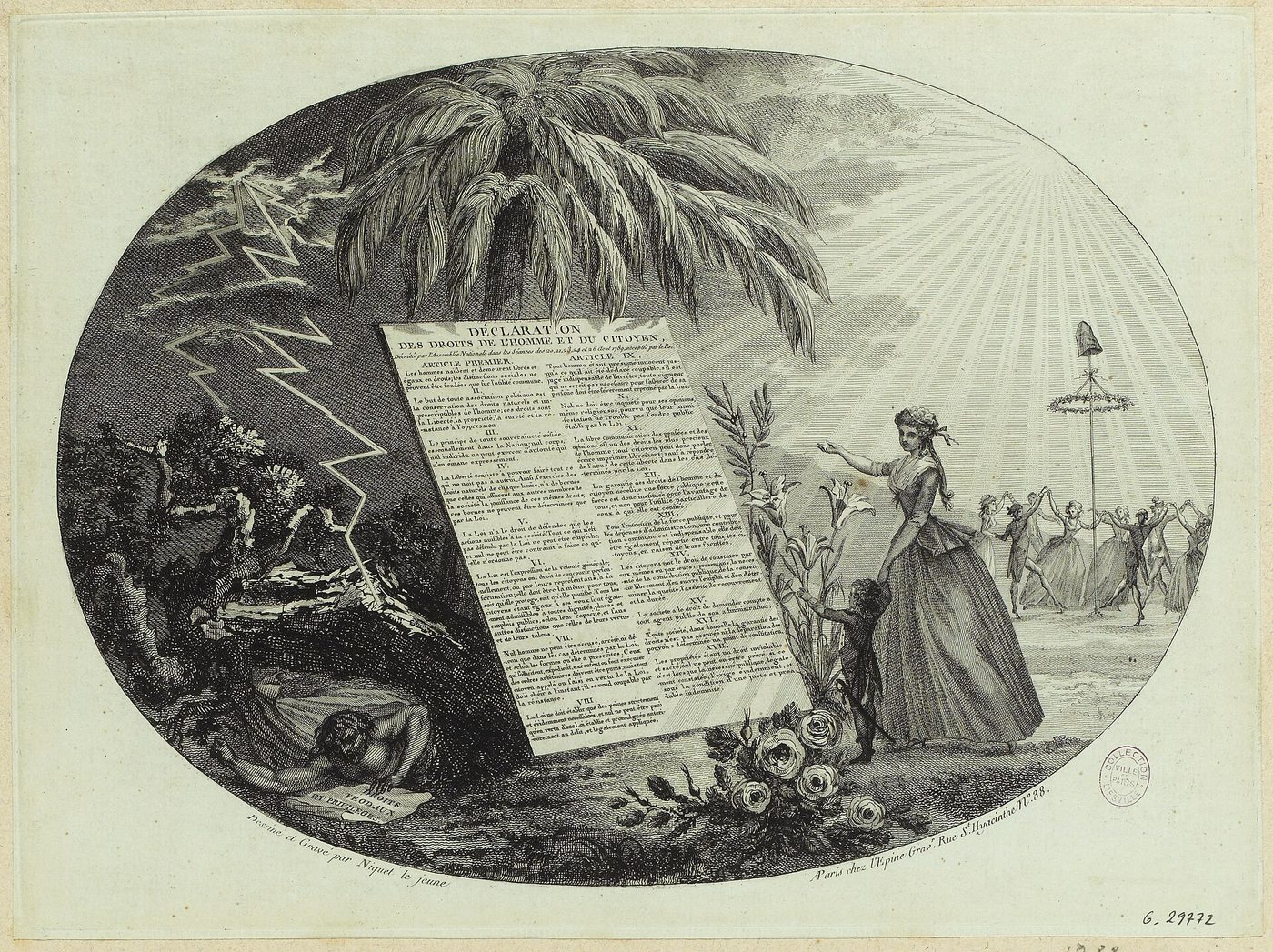 Rights and duties in FranceYour freedoms, your duties, school, work, health care and the emergency numbers.Read the full guide
 History, geography and culture of FranceThe key dates from the Gauls to the Fifth Republic, the map of France and its most famous monuments and people.Read the full guide
 Living in French societyPublic services, taxes and money, everyday customs, public holidays and getting around.Read the full guide
 The situation questions (mises en situation)How to answer “what do you do when…?”: school, administration, work and living together.Read the full guide
A sample question from the bank
Question : Quelle est la devise de la République française ? Réponse : Liberté, Égalité, Fraternité. (What is the motto of the French Republic?)
Questions people ask
Are these the official questions?
No. They are original Asagno questions on the same themes. The official candidate guide lists the content, so read it as well.
Is the exam only in French?
Yes. Practise with the French text and use the English and Arabic lines to check you understood.
What if I fail?
You can sit it again. Check service-public.gouv.fr for the current rules on how soon and at what cost.
How are the six topics divided in the exam?
Twenty-eight questions are about knowledge (values, institutions, rights and duties, history, geography and culture, and life in society) and twelve are situations. The official guide does not say how many come from each topic, so prepare all six.
Where do I start?
Start with the values of the Republic, because laïcité and equality explain many other answers, then read the guides in the order of this page and finish with the situations.
Ready to practise?
Study the questions by theme, then take the timed practice exam.