Civic exam topic guide
History, geography and culture of France
The Revolution, Napoleon, the world wars, the Resistance, women’s vote, the euro, geography, writers, scientists and landmarks: the history, geography and culture theme of the French civic exam.
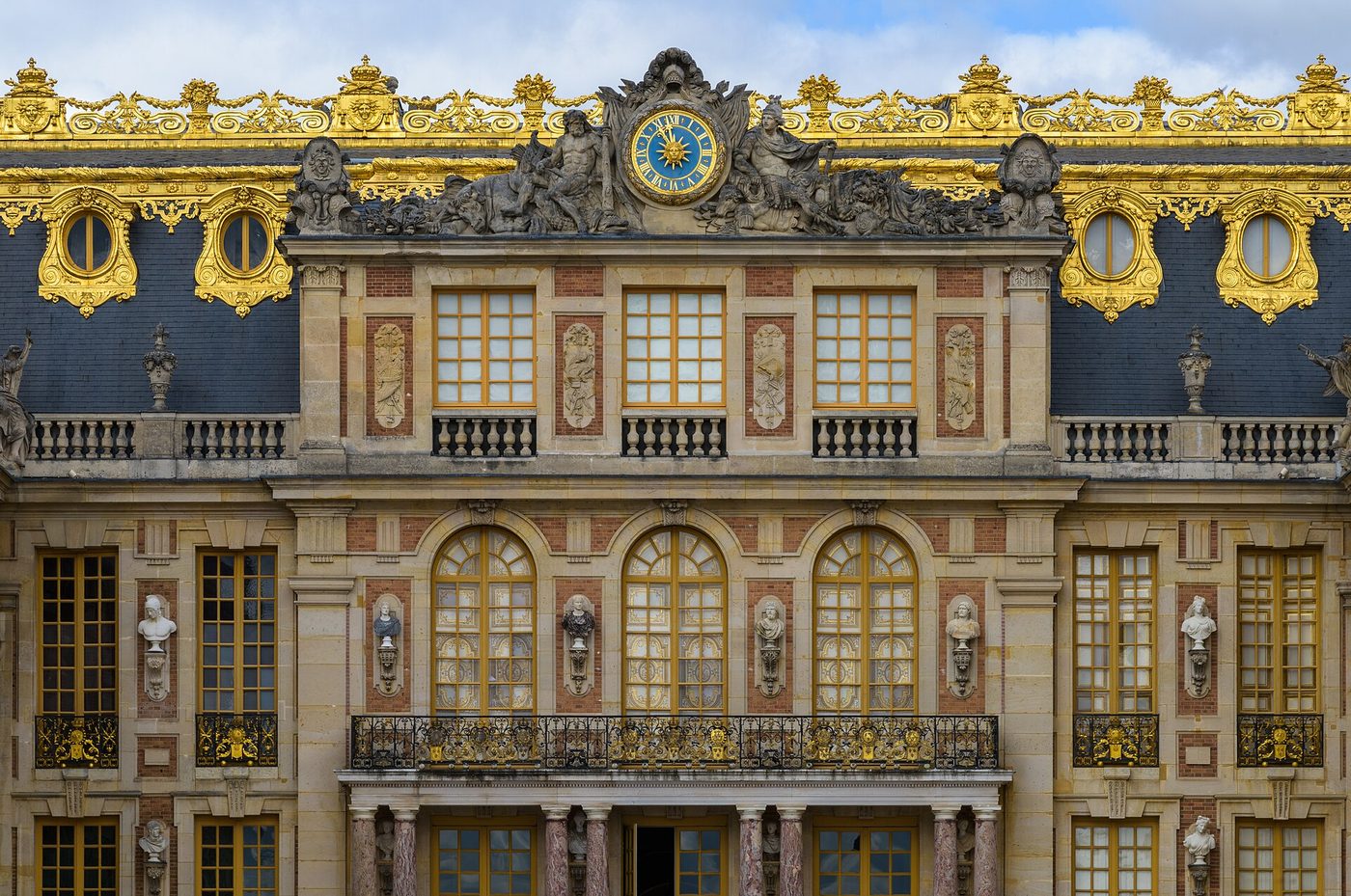
History, geography, culture and daily life: this is where names, dates and customs are asked. Most of these questions are easy once you have learned the main points.
The first guide goes from the Gauls and the kings to the Revolution, the world wars and the Fifth Republic, then to the map and the monuments of France. The second covers public services, taxes, politeness, the eleven public holidays and how to get around.
History, geography and culture of France
The key dates from the Gauls to the Fifth Republic, the map of France and its most famous monuments and people.
What each guide covers
- From the Gauls to the kingsThe first great periods of French history are short to learn and give the roots of the country.
- The Revolution of 1789The French Revolution ended the absolute monarchy and gave France its main ideas and symbols.
- Republics and world warsFrom the 19th century France went through several regimes before the Republic became stable.
- The map of FranceMetropolitan France is often called “the Hexagon” because of its shape.
- Culture, monuments and famous peopleFrance is the country with the most visitors in the world, and its culture is part of the exam.
Remember for the exam
- 52 BC Alésia; 496 Clovis; 800 Charlemagne; 1643–1715 Louis XIV and Versailles.
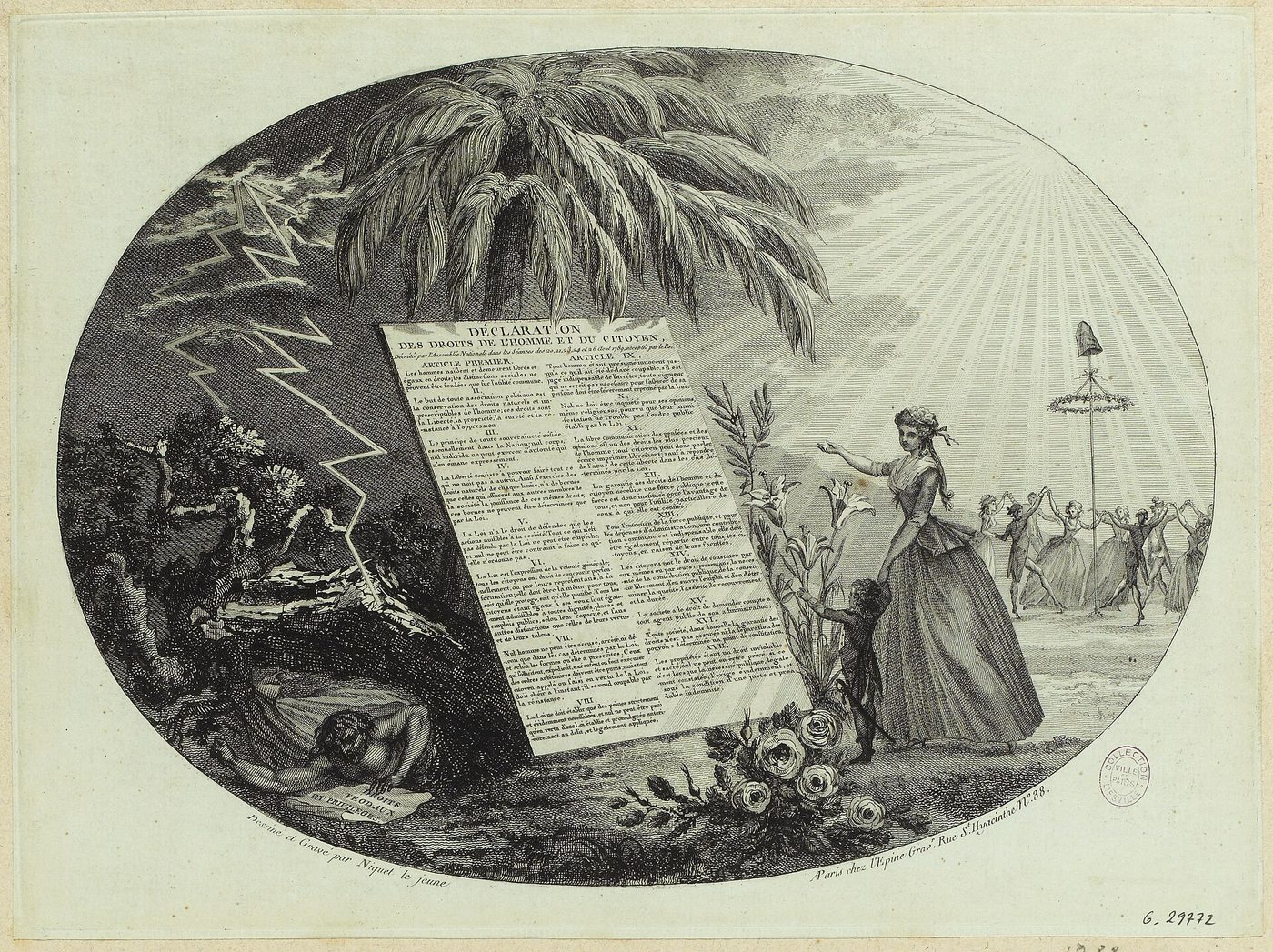
- 1789: Bastille (14 July) and Declaration of Rights (26 August); 1792 First Republic; 1804 Napoleon Emperor.
- 1914–1918, armistice 11 November; 1939–1945, Resistance (De Gaulle, 18 June 1940), Liberation 1944; Fifth Republic 1958.
- Mont Blanc (4,806 m), Loire (longest), Seine (Paris), Garonne, Rhône; the Hexagon.
- Eiffel Tower, Louvre, Notre-Dame, Hugo, Molière, Pasteur, Marie Curie.
Living in French society
Public services, taxes and money, everyday customs, public holidays and getting around.
What each guide covers
- Public services and the administrationIn France a large part of daily life goes through public services.
- Taxes, money and housingEverybody who lives and earns money in France takes part in the common effort through taxes.
- Everyday customs and politenessSmall habits matter in France, and the exam’s situation questions often test them.
- Public holidaysFrance has eleven public holidays (jours fériés).
- Getting aroundFrance has one of the best transport networks in Europe, and some rules matter for the exam.
Remember for the exam
- Mairie: civil status, marriage, school; préfecture: residence permits; CAF: allowances; France Travail: jobs.
- Say bonjour; use vous with strangers and tu with friends and family.
- Eleven public holidays; 14 July is the national day; 11 November the Armistice; 1 May Labour Day.
- Drive on the right, seat belt for everybody, 50 km/h in town, 130 on motorways, alcohol limit 0.5 g/l.
A sample question from the bank
Question : Quel événement de 1789 marque le début de la Révolution française ? Réponse : La prise de la Bastille.
Question : Quel est le plus long fleuve de France ? Réponse : La Loire.
Questions people ask
Do I need exact dates?
A few anchor dates are enough: 1789, 1804, 1905, 1918, 1940, 1944 and 1945, plus the order of events.
Is the euro in the exam?
Yes: the euro has been the currency of France since 2002, and France was a founding member of what became the European Union.
Which dates must I know?
The ones that come up most are 1789 (the Revolution, 14 July), 1905 (laïcité), 1918 and 1945 (the end of the world wars), 1944 (women’s right to vote) and 1958 (the Fifth Republic).
How many public holidays are there in France?
Eleven, among them 1 May, 8 May, 14 July (the national day), 15 August, 1 November, 11 November and 25 December. Our guide on life in society lists all of them.
More guides
Ready to practise?
Study the questions by theme, then take the timed practice exam.