Civics test topic guide
American history for the civics test
The history questions of the US civics test: colonial period and independence, the 1800s and the Civil War, the world wars, the Cold War, civil rights and September 11, with a real question.
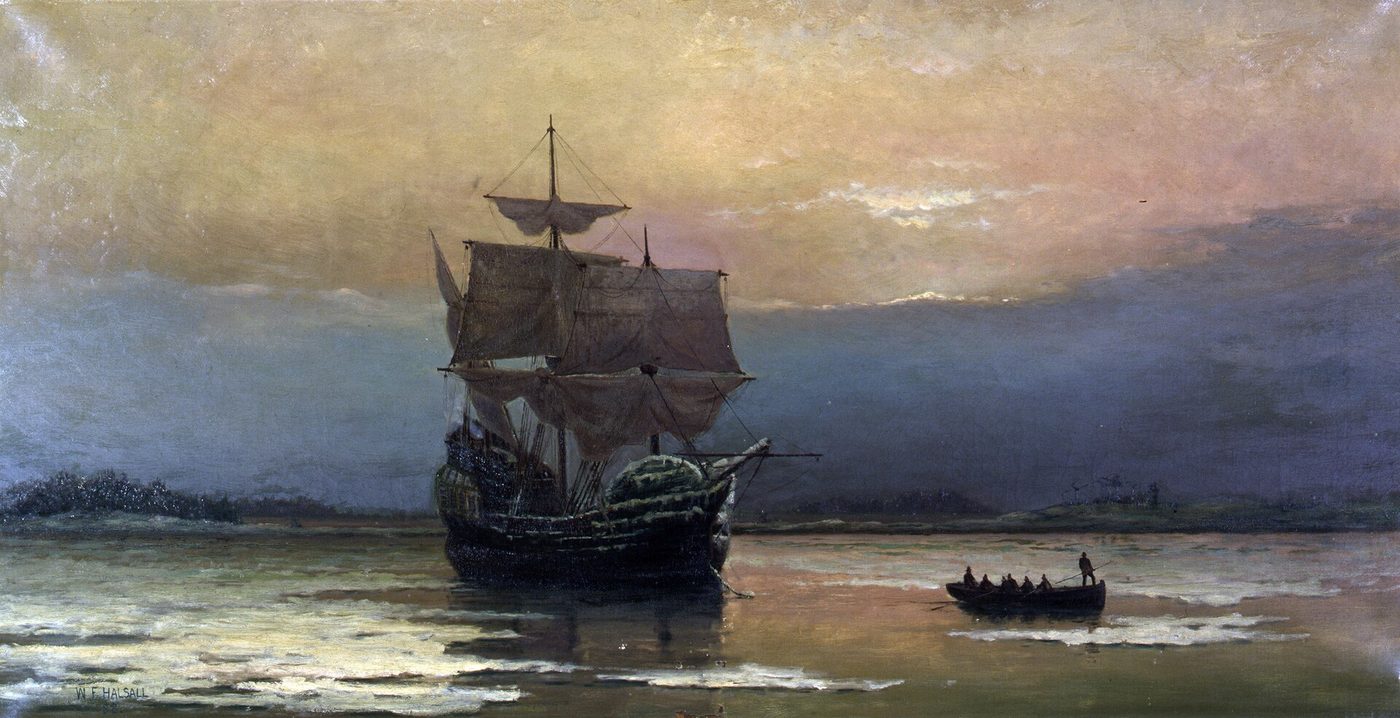
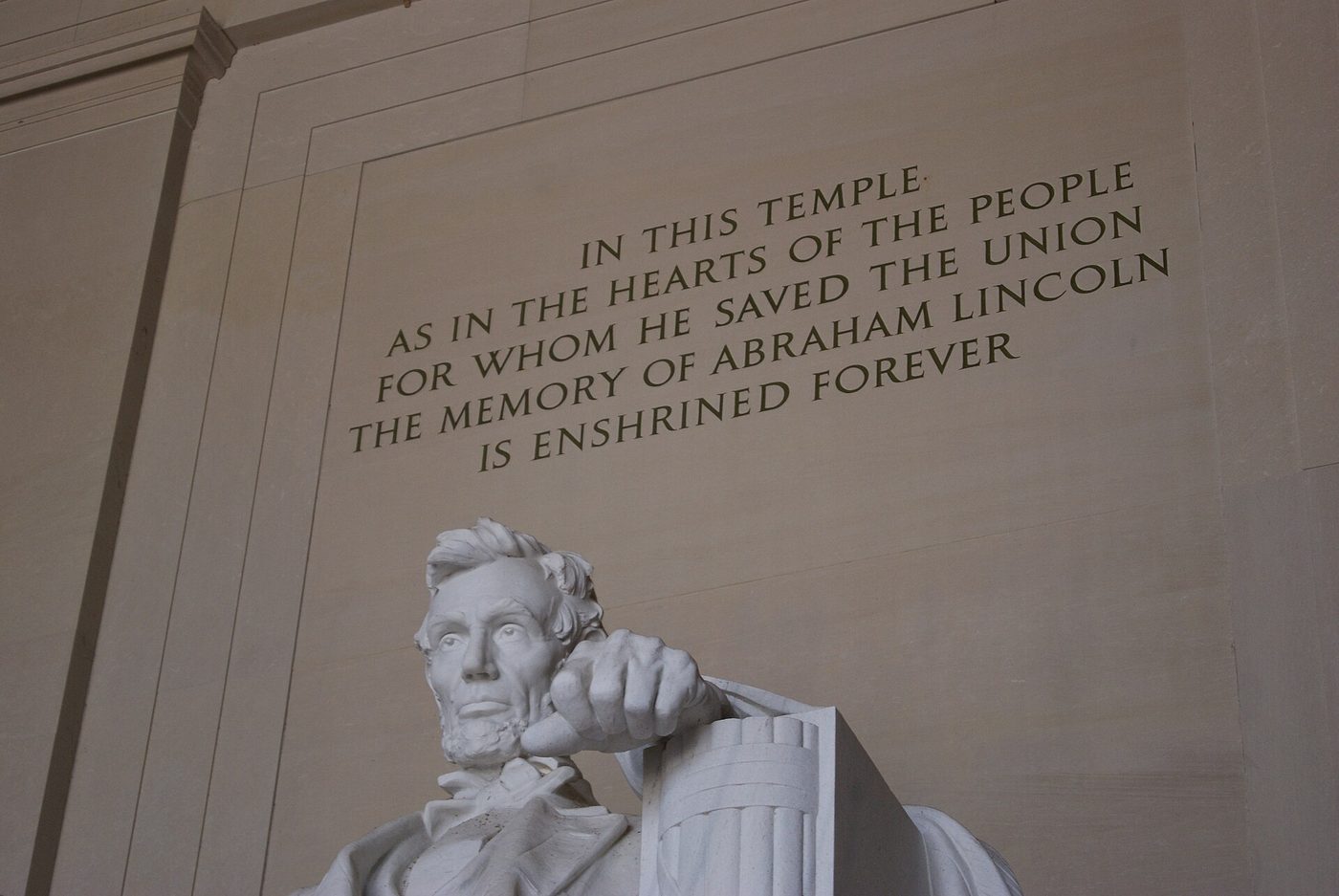
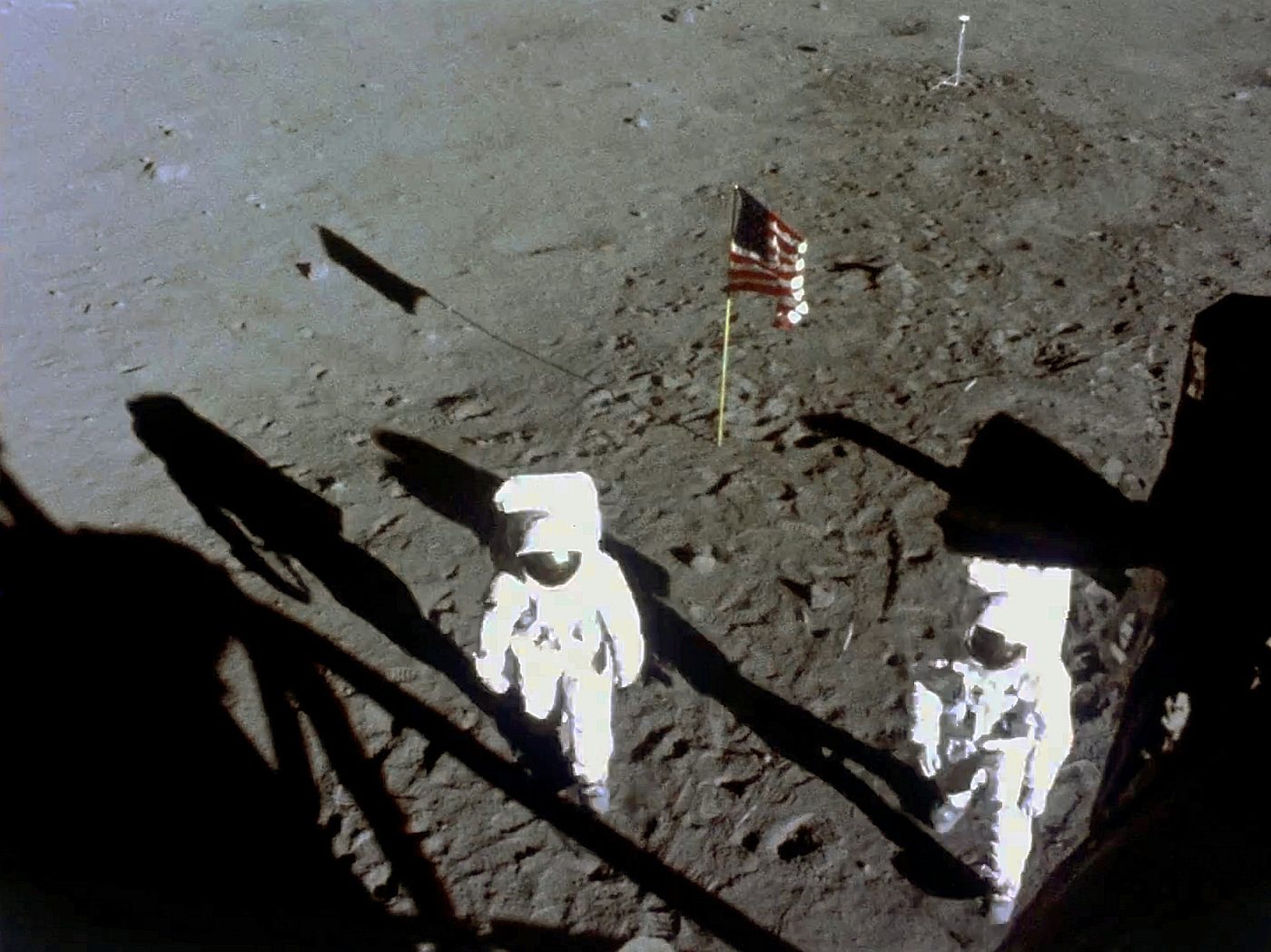
American history on the test goes from the first colonies to today, in three parts: the colonial period and independence, the 1800s, and recent American history. The officer asks for the key events, the people and the years.
The guides cover Jamestown and the Mayflower, the Revolution and the Founding Fathers, the Louisiana Purchase and the Civil War, the world wars, the civil rights movement and September 11.
The colonial period and independence
The first people, the thirteen colonies, the Revolutionary War and the founding of the nation.
What each guide covers
- Native Americans and the thirteen coloniesPeople lived in North America for thousands of years before Europeans arrived, in many different nations.
- The American RevolutionThe colonies fought a war against Great Britain from 1775 to 1783 and won their independence.
- Founding the nationAfter the war, the new country needed a stronger government.
Remember for the exam
- Jamestown 1607; Mayflower and Plymouth 1620; thirteen colonies ruled by Great Britain.
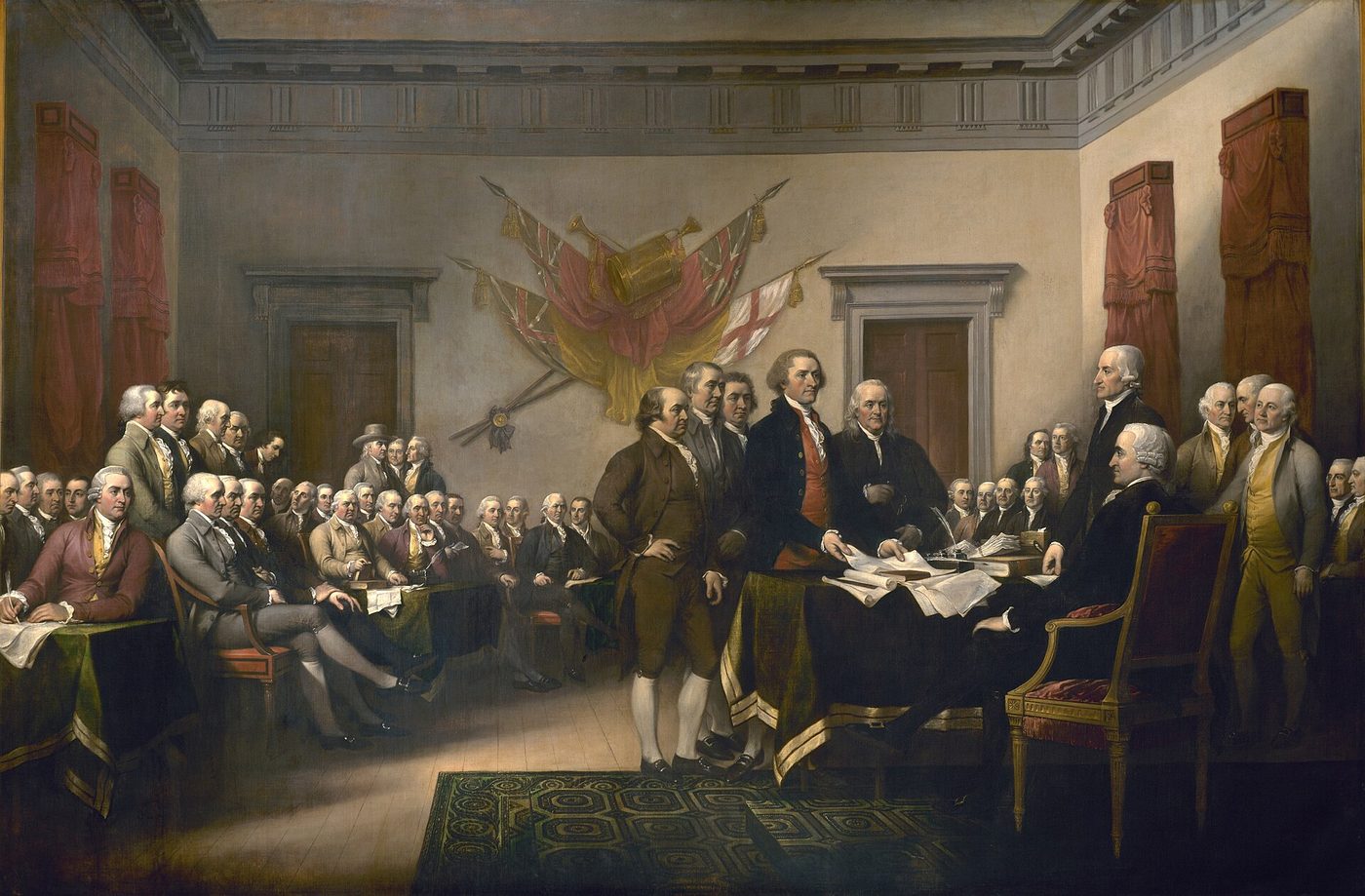
- The Revolution: 1775–1783; “no taxation without representation”; Declaration on 4 July 1776.
- Washington led the army and became the first president; the Treaty of Paris was in 1783.
- Constitutional Convention 1787; the Federalist Papers (Hamilton, Madison, Jay); Bill of Rights 1791.
The 1800s: expansion, the Civil War and reform
The Louisiana Purchase, westward expansion, slavery and the Civil War, and the fight for women’s and civil rights.
What each guide covers
- Expansion to the westThe country grew very quickly in the first half of the century, by purchase, by treaty and by war.
- Slavery and the Civil WarThe Civil War (1861–1865) was fought between the Northern states (the Union) and the Southern states (the Confederacy).
- Reform: abolition and women’s rightsMany Americans worked to end slavery and to win equal rights.
Remember for the exam
- 1803 Louisiana Purchase from France (Jefferson); Lewis and Clark explored it.
- War of 1812 against Britain; Star-Spangled Banner by Francis Scott Key; Mexican–American War 1846–1848.
- Civil War 1861–1865: Lincoln, slavery; Emancipation Proclamation 1863; 13th Amendment 1865.
- Douglass, Tubman, Anthony; women’s vote 1920 (19th Amendment).
Recent American history
The world wars, the Great Depression, the Cold War, the civil rights movement and September 11.
What each guide covers
- The world wars and the Great DepressionThe United States entered both world wars and became a world power.
- The civil rights movementIn the 1950s and 1960s, African Americans and their allies fought segregation, which separated people by race, and won equal rights by law.
- The Cold War, space and todayAfter World War II the United States and the Soviet Union competed in a struggle without direct war, the Cold War.
Remember for the exam
- WWI: 1917, Wilson; Great Depression from 1929, FDR; WWII: Pearl Harbor 7 December 1941, Eisenhower.
- Civil rights: Martin Luther King Jr., Rosa Parks; Civil Rights Act 1964; Voting Rights Act 1965.
- Cold War against the Soviet Union (communism); Korean and Vietnam Wars; Moon landing 1969.
- 11 September 2001: terrorist attacks on New York and the Pentagon.
A sample question from the bank
Question: When was the Declaration of Independence adopted? Answer: July 4, 1776.
Question: What territory did the United States buy from France in 1803? Answer: The Louisiana Territory.
Questions people ask
Which presidents should I know?
The list includes George Washington, Thomas Jefferson, James Madison, Abraham Lincoln, Franklin Roosevelt and Dwight Eisenhower, and what each is famous for.
Are the dates really needed?
A few are asked directly, such as 4 July 1776 and 1920 for women’s vote. For the others, knowing the order of events is usually enough.
Which dates do I need to know?
The main ones are 1607 (Jamestown), 1776 (the Declaration of Independence), 1787 (the Constitution), 1861–1865 (the Civil War), 1941 (Pearl Harbor), 1964 (the Civil Rights Act) and 2001 (September 11).
Why did the colonists fight Great Britain?
They did not want to pay taxes without representation, did not want British soldiers in their homes and wanted self-government. The war lasted from 1775 to 1783.
More guides
Ready to practise?
Study the questions by theme, then take the timed practice exam.