Italian language test for residence and citizenship
Italian test for the long-term residence permit and citizenship
Italy tests your language, not a civics question bank: level A2 for the EU long-term residence permit and level B1 for citizenship.
Unlike Germany or the Netherlands, Italy has no public bank of civics questions for the residence permit and for citizenship. What you must prove is your Italian: level A2 to apply for the EU long-term residence permit, and level B1, with a recognised certificate, to apply for citizenship.
Both levels check the same four skills: reading, listening, writing and speaking, in situations of daily life such as forms, the doctor, shopping, the house and work. The difference is how much you can do on your own.
Here you can read a guide to each of the two levels, to the four skills and to life in Italy, then practise with the Italian practice exams, the lessons and the culture guide.
Italy also has an integration agreement (accordo di integrazione) that new immigrants sign, with a basic level of Italian and a session on civic life. It is a different thing from these two language requirements. Read the Italian culture guide
The exam at a glance
Long-term residence permit
Italian at level A2: the test of the Prefettura or a recognised certificate
Citizenship
Italian at level B1, with a certificate from a recognised body
Skills
Reading, listening, writing and speaking
Recognised certificates
CELI (Perugia), CILS (Siena), PLIDA (Dante Alighieri), Cert.IT (Roma Tre)
Questions
No public bank: you are tested on your language
Fees and dates
Set by each body and by the law; check before you register
Practise
This exam tests your language, so practise the four skills and follow the course.
Practice exams
Full practice exams by level with reading, listening, writing and speaking parts.
Course and lessons
Build the language you need, level by level, from A1 up to B1 and beyond.
The other parts of the exam
The language parts are practised on the skill pages, at your level.
Reading
Short Italian texts with questions, at A2 or B1.
- Notices, ads, timetables, short e-mails and letters from an office
- You find the precise information: a date, a price, a document to bring
Listening
Everyday Italian audio with questions.
- Announcements, voice messages, telephone calls and short dialogues
- Numbers, times and places come back all the time
Writing
Write short texts and get them corrected.
- A form and a short message at A2; an e-mail or a letter at B1
- You answer every point of the task, with the right greeting
Speaking
Say sentences aloud and get feedback.
- You talk about yourself, your family, your work and your day
- At B1 you tell a story and give an opinion with a reason
What the exam covers
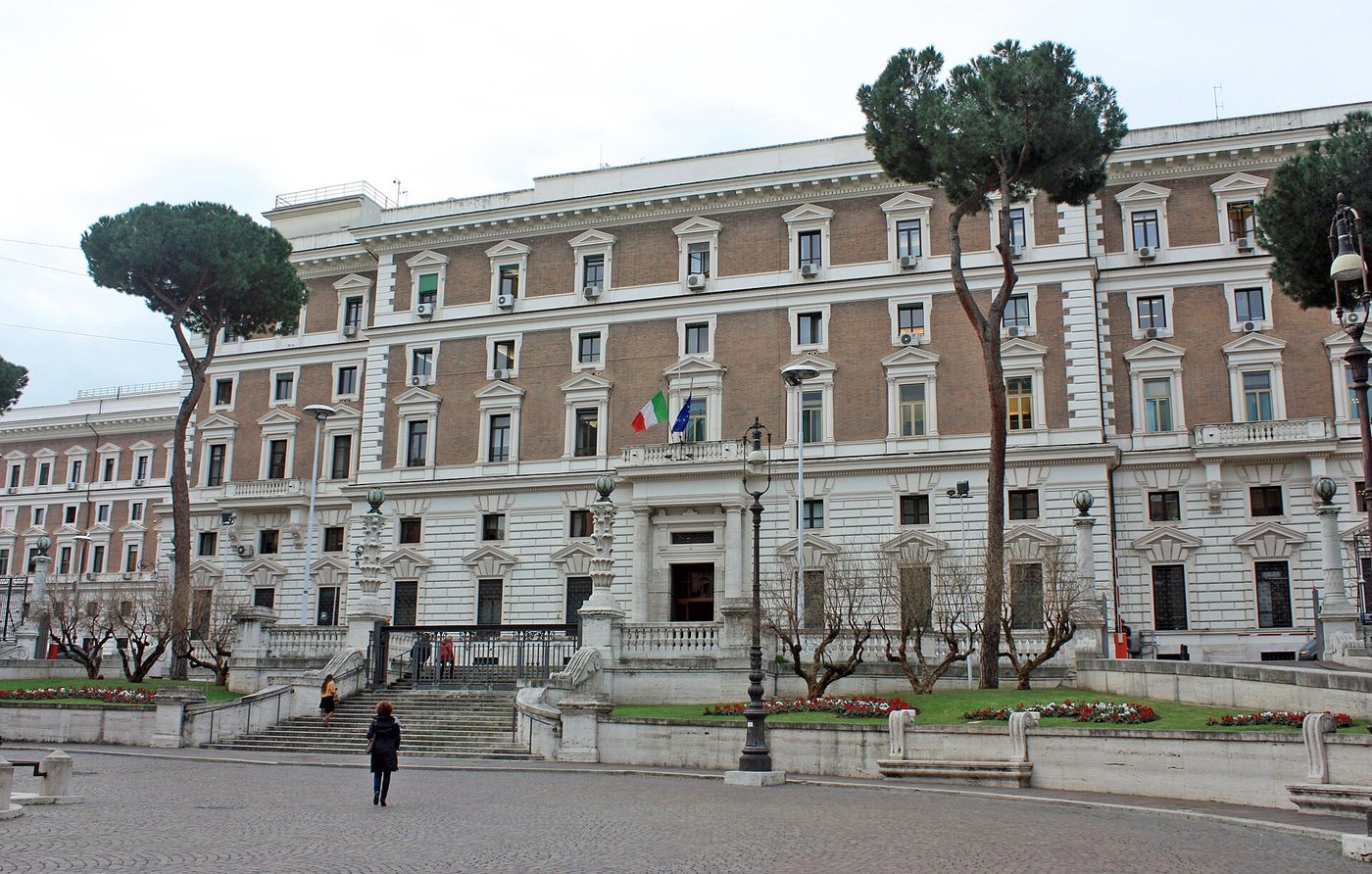 Italian A2: long-term residence permitThe level, the test of the Prefettura, the certificates, the vocabularyRead the guide
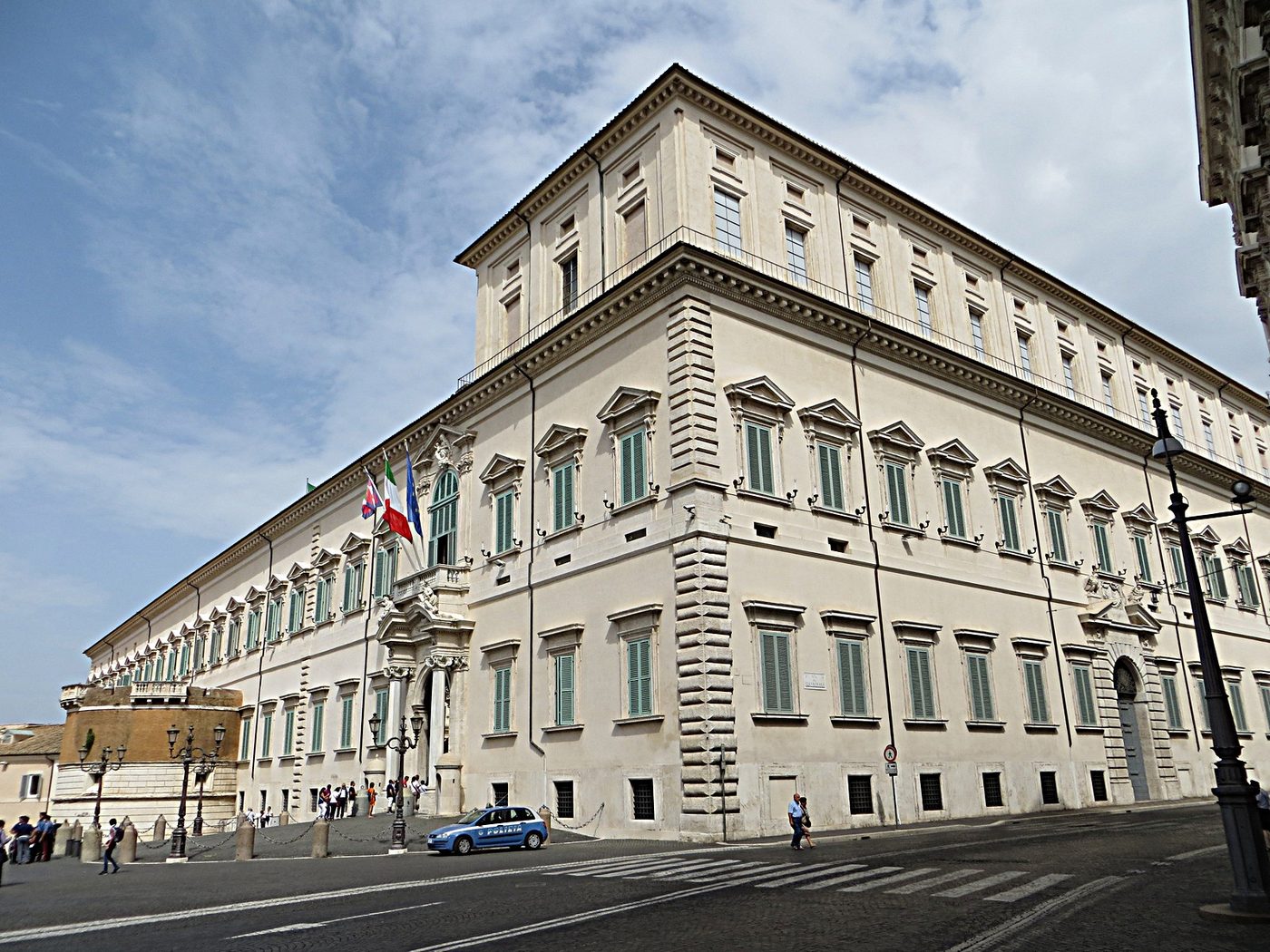 Italian B1: citizenshipThe level, the four certificates, the route, the exemptionsRead the guide
 The four skillsReading, listening, writing and speaking: typical tasks and how to practiseRead the guide
 Life in ItalyThe Republic, the institutions, the services, the holidaysRead the guide
Photo credits
- Italian A2 for the EU long-term residence permit: Photo: Dguendel, CC BY 3.0, via Wikimedia Commons
- Italian B1 for Italian citizenship: Photo: Mister No, CC BY 3.0, via Wikimedia Commons
- The four skills: reading, listening, writing and speaking: Photo: Wilfredor, CC0, via Wikimedia Commons
- Life in Italy: the Republic, daily life and holidays: Photo: Wilfredor, CC0, via Wikimedia Commons
All photos are public domain or freely licensed (CC0, CC BY, CC BY-SA). Every guide shows the credit of each of its photos.
Guides
- Italian A2 for the long-term residence permitThe Italian language test for the EU long-term residence permit is level A2: what it checks, the four skills, how to find your level and how to prepare with practice exams and lessons.Italian A2: long-term residence permitThe four skillsRead the guides
- Italian B1 for citizenshipCitizenship by residence or marriage in Italy requires Italian at level B1 with a recognised certificate: what B1 means, the four skills and how to prepare with practice exams and lessons.Italian B1: citizenshipLife in ItalyRead the guides
How it works, step by step
Know which level you need
The level depends on what you apply for. Confirm it before you choose a test or an exam, because the level decides the whole preparation.
- Level A2 is for the EU long-term residence permit (permesso di soggiorno UE per soggiornanti di lungo periodo).
- Level B1, with a certificate from a recognised body or a school title, is for citizenship by residence or by marriage.
- Some people are exempt, for example with a title of an Italian school or university. The rules change, so ask the Prefettura or an advice centre.
- Write down the date of your application and work back to the exam: the certificate sessions are few.
Find your level today
Take the Asagno level test to see how far you are from A2 or B1, and decide how much time you need.
- The test checks reading, listening, writing and speaking, and gives you a level.
- From zero to A2 usually needs several months of regular study; from A2 to B1 several months more, depending on the time that you give every week.
- If you are below A2, start with the Italian course and come back to the practice exams when you reach the level.
Read the guide of your level
Our two level guides explain what the level means, how the test or the certificate works and which documents you need.
- Italian A2 for the long-term residence permit: the level, the test of the Prefettura, the certificates and the A2 vocabulary.
- Italian B1 for citizenship: the level, the four certificates, the route to citizenship and the exemptions.
- Read the guide once, then come back to the parts that concern your case.
Learn what the four skills ask
Whatever the exam, the tasks are similar. Knowing them in advance saves time and nerves.
- Reading and listening: short texts and recordings from daily life, with questions on one precise information.
- Writing: a form, a short message at A2, a longer e-mail or a letter at B1.
- Speaking: a conversation with an examiner about yourself and everyday topics.
Practise the four skills every day
Short and regular practice works better than one long session in the weekend.
- Use the reading and listening practice pages of Italian, with the texts and the answers to check.
- Write a short text a day, and use the writing practice to get it corrected.
- Say sentences aloud and use the speaking practice for feedback on your pronunciation.
Learn the basics of life in Italy
The texts of the tests are about real life in Italy. Knowing the services, the documents and the holidays helps you to understand them.
- The Republic, the Constitution and the institutions, in simple words.
- The documents and the services: codice fiscale, tessera sanitaria, medico di base, Questura.
- The holidays and the customs, and when to use “tu” and “Lei”.
Choose the way to prove your level
For A2 there are two ways, the test of the Prefettura and a certificate. For B1 you need a certificate. Look at the dates, the costs and the places before you choose.
- The certificates are CELI (Perugia), CILS (Siena), PLIDA (Società Dante Alighieri) and Cert.IT (Roma Tre). Compare the dates of the sessions near you.
- The registration fee is set by each body and changes; look at its website.
- Check that the certificate is accepted for your application (permit or citizenship).
Take the Italian practice exams
The practice exams show where you are weak. Take several, in the conditions of the real exam.
- Choose the level of your target (A2 or B1) and do the four parts: reading, listening, writing and speaking.
- Read the feedback and go back to the guide of the skill that scored worst.
- Repeat until you reach the passing level in all the parts, with a margin.
The exam day, the result and what comes next
Arrive early with your identity document. Keep the result or the certificate: you give it with your application.
- Bring the document that you used to register, and the confirmation of the registration.
- Listen to the instructions, read each task twice and manage your time; for the speaking part, speak slowly and clearly.
- If you do not pass, you can take the test or the exam again at the next session; use the result to see what to improve.
- Then you file the application for the permit or for citizenship with the other documents that the authority asks.
Questions people ask
Is there a civics test in Italy?
Not one with a public bank of questions, like the German or the Dutch tests. For the residence permit and for citizenship, Italy asks for your Italian. For the integration agreement there is a civic training session. The Italian culture guide and our guide on life in Italy cover the same ground.
Which level do I need for the long-term residence permit?
Level A2 of the European framework. You prove it with the language test of the Prefettura or with a certificate of a recognised body, and some people are exempt.
Which level do I need for citizenship?
Level B1, with a certificate from a recognised body (CELI, CILS, PLIDA or Cert.IT) or a title of an Italian school or university. It applies to citizenship by residence and by marriage.
Which certificates are recognised?
The four certifying bodies are the University for Foreigners of Perugia (CELI), the University for Foreigners of Siena (CILS), the Società Dante Alighieri (PLIDA) and Roma Tre University (Cert.IT). The list is published by the Ministries of the Interior and of Foreign Affairs, so check it before you register.
What does the A2 test check?
Your reading, your listening and your writing in simple situations of daily life, such as forms, a notice, a short message or a conversation. The certificates also have the speaking part.
How long does it take to reach A2 or B1?
It depends on your starting point and the time that you can give. As a guide, from zero to A2 takes several months of regular study, and from A2 to B1 several months more. Take the Asagno level test to see where you are.
Who is exempt from the language requirement?
People with a title of an Italian school or university and some people with a serious illness or disability can be exempt. The rules are personal and change, so ask the Prefettura or an advice centre.
How much does it cost?
The certificates have a registration fee that each body sets, and it changes. The costs of the permit and of the citizenship application are fixed by the law. Check the current amounts on the official websites.
Can I take the test or the exam outside Italy?
The certificates can be taken at the universities and at approved centres in Italy and abroad. The test for the long-term residence permit is part of the procedure in Italy. Check the current rules before you plan.
Which practice exams does Asagno have?
Italian practice exams by level, including A2 and B1, with reading, listening, writing and speaking parts, plus practice pages for every skill and Italian lessons.
Are these the real exam questions?
No. The questions of the certificates are not public, and the practice exams on Asagno are original exams at the same level and with the same types of tasks. They train the skills, they do not predict the exact tasks.
What happens if I do not pass?
You can take the test or the exam again at a later session, and you pay the fee again. Use the result to see which skill needs more work.
What is the integration agreement?
It is an agreement that new immigrants sign with the State, with credits for language, work and civic knowledge. It is separate from the A2 and B1 requirements, but it also helps to know the basics of life in Italy.
Do the rules change often?
Yes. The rules about permits and citizenship, the procedures and the booking systems change often. Always read the current notice of the Ministry of the Interior and of your Prefettura before you apply.
Official sources
- Ministry of the Interior (Italy)
- Integrazione Migranti (Italian government portal)
- Ministry of Foreign Affairs (Italy)
Rules follow the official sources at the time of writing and change often; always check them before you apply. Asagno is not affiliated with the Italian government or any certifying body.
Learn the language from zero
Courses that build the vocabulary and grammar you need, level by level.