Italian test guide
Italian B1 for citizenship
Citizenship by residence or marriage in Italy requires Italian at level B1 with a recognised certificate: what B1 means, the four skills and how to prepare with practice exams and lessons.
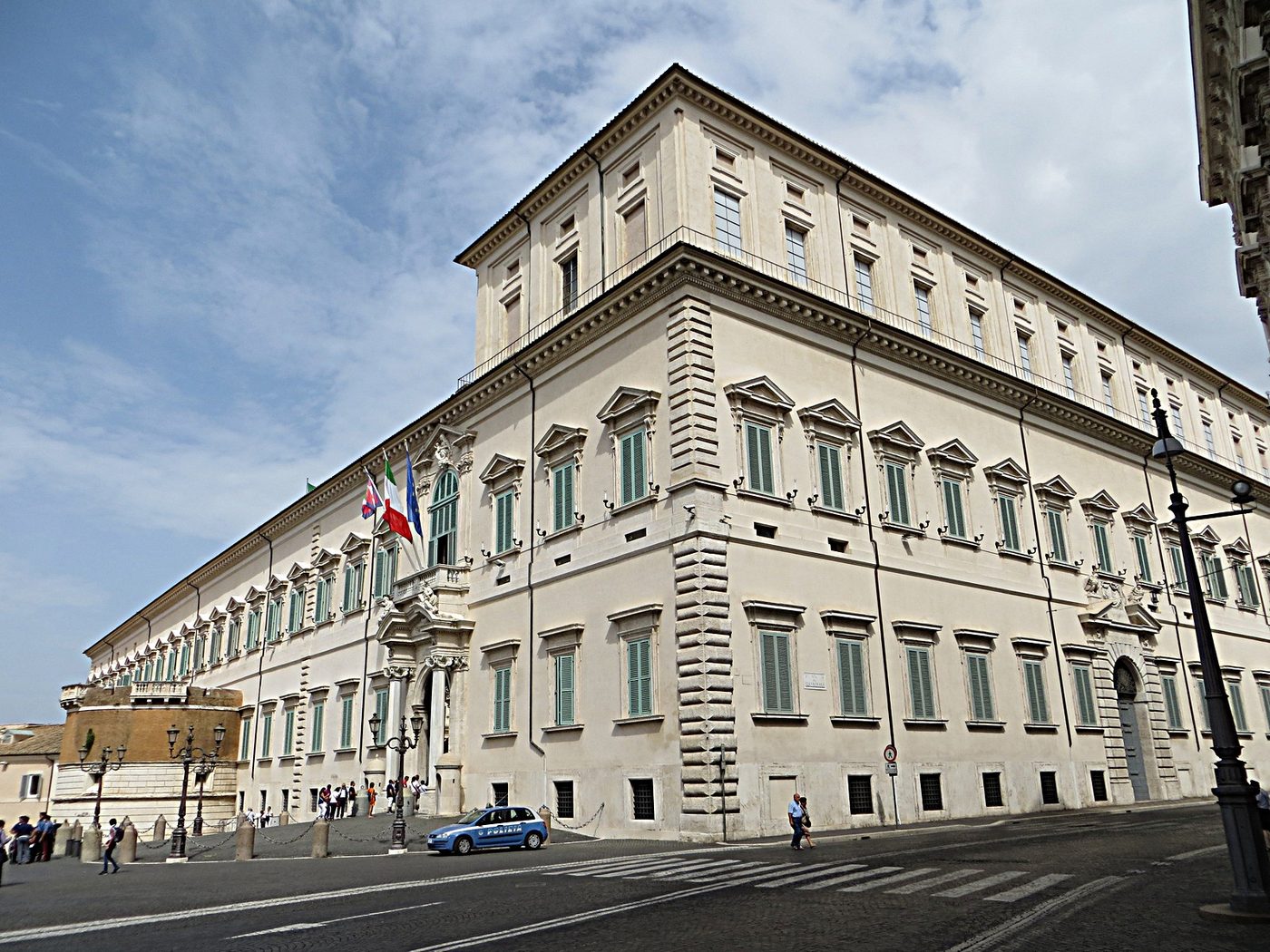
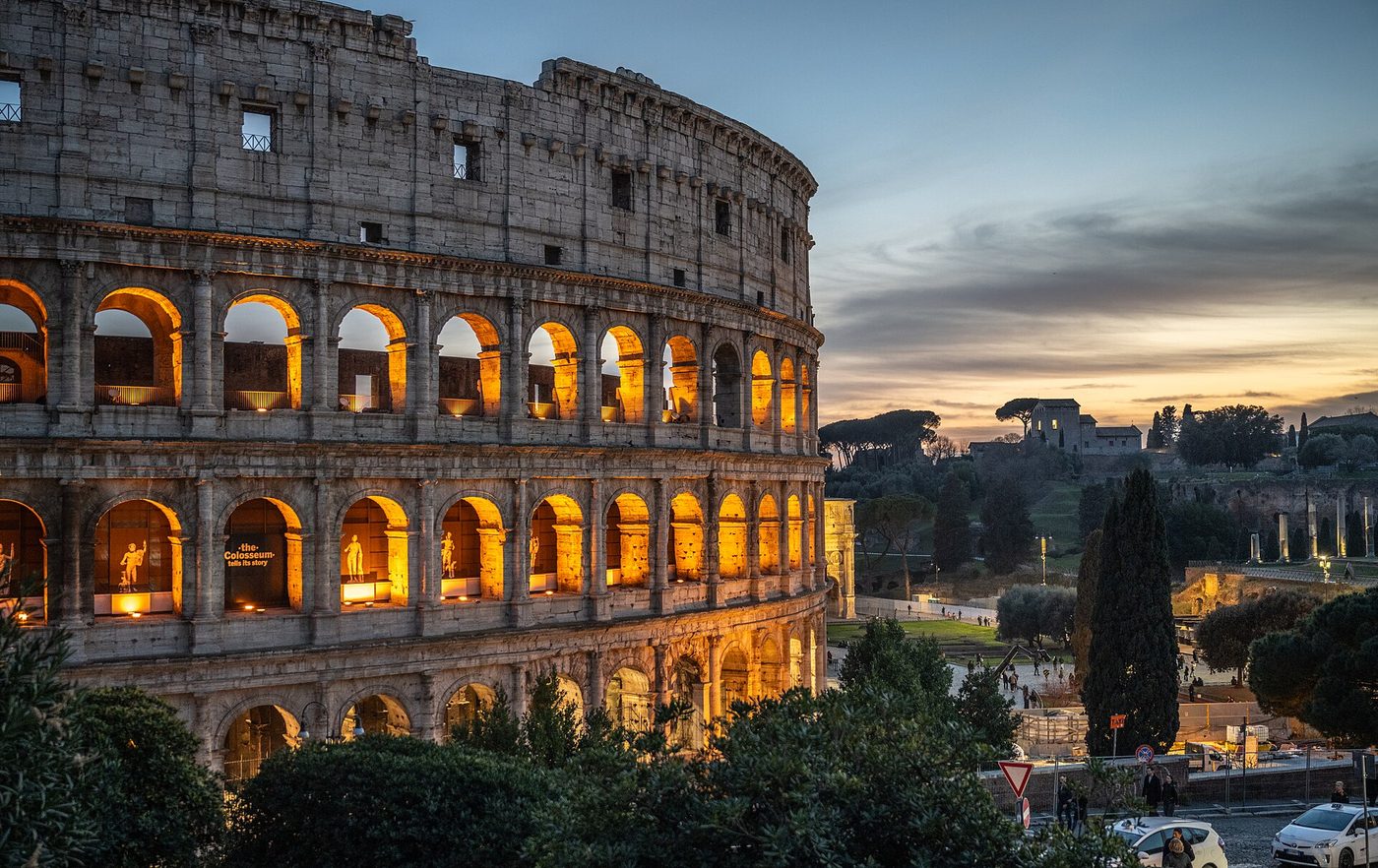
For Italian citizenship by residence or by marriage you have to show Italian at level B1, with a certificate from a recognised body or a title of an Italian school or university.
The first guide covers the level, the four certificates, the route to citizenship and the exemptions. The second gives the basics of life in Italy that the texts of the exams and the interview talk about: the Republic, the institutions, the services, the holidays and the customs.
Italian B1 for Italian citizenship
What level B1 means, which certificates you need, the route to citizenship and who is exempt.
What each guide covers
- What level B1 meansB1 is called “intermediate”, or “independent user”.
- The B1 certificatesSince 2018, the law asks for an Italian certificate at level B1 for those who apply for citizenship by residence or by marriage.
- The route to citizenshipItalian citizenship can be acquired in several ways.
- Who does not need the certificateThere are exceptions to the language requirement.
Remember for the exam
- B1 is needed for citizenship by residence or by marriage, with a certificate from a recognised body.
- The recognised certificates at B1: CELI 2, CILS B1 (citizenship), PLIDA B1, Cert.IT B1.
- A title of an Italian school or university also proves the level.
- Check the current rules of the Ministry of the Interior before you book an exam or file.
Life in Italy: the Republic, daily life and holidays
The Republic and the Constitution, the institutions, the services you use, and the holidays and places of Italy.
What each guide covers
- The Italian Republic and the ConstitutionItaly is a parliamentary republic.
- The institutionsThe State has three powers, and the President of the Republic watches over the Constitution.
- Services and documents you will useMany everyday situations in the language tests are about the services of the State.
- Holidays, customs and placesItalian life follows a calendar of holidays, and the texts of the tests often speak about the places and the customs.
Remember for the exam
- Republic since the referendum of 2 June 1946; Constitution in force from 1 January 1948; capital Rome.
- President of the Republic (Quirinale), Parliament with two chambers, Prime Minister; 20 regions.
- Codice fiscale, tessera sanitaria, medico di base, 112 for emergencies; school from 6 to 16.
- Holidays: 25 April, 1 May, 2 June, 15 August; “tu” with friends and “Lei” with strangers.
What a B1 task looks like
Speaking: describe a trip you made, say what you liked and what you would change, and give your opinion about public transport in your city.
Writing: write a short email of about 100 words to a landlord about a problem in your flat and ask for a solution.
Questions people ask
Is B1 enough for any application?
It is the usual level required for citizenship by residence or marriage, but rules and exemptions change. Always check the official sources for your case.
Can I practise all four skills on Asagno?
Yes: reading, listening, writing and speaking practice pages and timed practice exams for Italian.
Which certificates are valid for citizenship?
CELI 2 (B1), CILS B1, PLIDA B1 and Cert.IT B1, or a higher level, from the four recognised bodies, in the version that the body gives for citizenship. Check the notice of the body and the current rules.
How long before the application should I take the exam?
As soon as you are ready: the certificate sessions are few, and the application needs the certificate. Book early and plan some extra time in case you need to repeat a part.
More guides

Ready to practise?
Study the questions by theme, then take the timed practice exam.