Einbürgerungstest topic guide
Society and Culture (Gesellschaft und Kultur)
The everyday society-and-culture questions on the Einbürgerungstest: religious tolerance, who may legally live together, and German customs and holidays — with a real exam question.
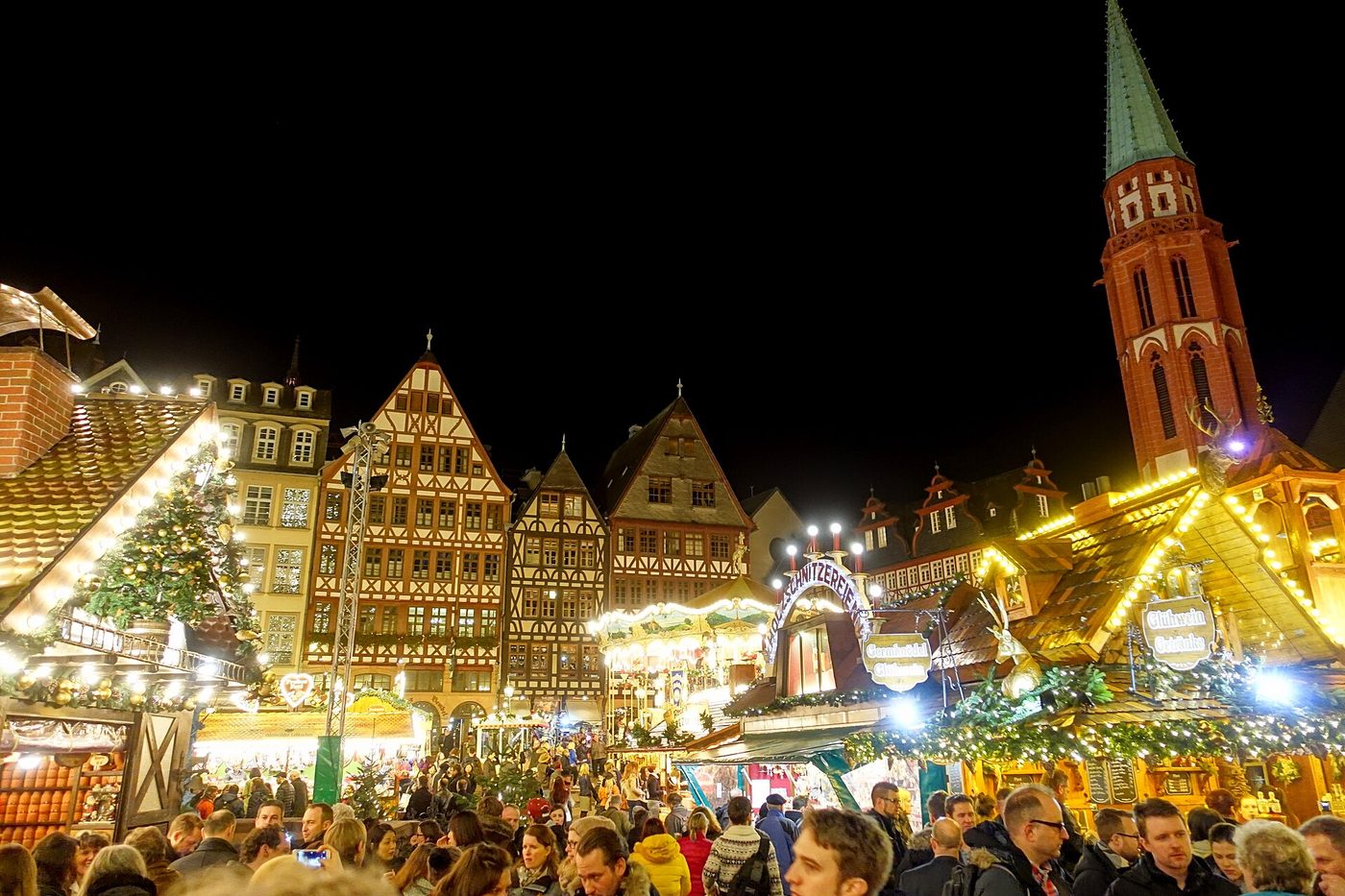
“Mensch und Gesellschaft” is the third area of the test. It asks how people live together in Germany: family, school, religion, the holidays, the clubs and the rules of everyday life.
The guide covers marriage and equality in the family, the school system, religious freedom and church tax, the holidays and customs, and volunteering and good neighbourly relations.
People and society in Germany
Family and school, religion, customs and holidays, and everyday rules of living together.
What each guide covers
- Family and equalityMarriage and family are protected by the Basic Law.
- School and educationEducation is a matter of the Länder, so the school system differs a little from one state to another.
- Religion and the stateGermany is a country with religious freedom and with no state church.
- Holidays, customs and everyday rulesPublic holidays are set by law, and some of them differ from one Land to another.
- Clubs, volunteering and neighboursA large part of social life in Germany happens in clubs and voluntary work, and this is a good way to meet people and to practise German.
Remember for the exam
- Marriage is concluded at the Standesamt; women and men have the same rights; violence is forbidden.
- School is compulsory from about six; the Länder are responsible for education; Abitur and Ausbildung.
- No state church; church tax for members; religious freedom for everybody.
- 3 October Day of German Unity; Sunday is a rest day; Pfand, Mülltrennung, Sie and du.
A real Einbürgerungstest question on this topic
Q: "Was ist in Deutschland ein Brauch zu Weihnachten?" (What is a custom in Germany at Christmas?) — A: "einen Tannenbaum schmücken" (decorating a Christmas tree) — not hiding coloured eggs or carving pumpkins, which are other holidays' customs used as wrong-answer options.
Questions people ask
Are these questions about my own culture or about German law and custom?
Always about the German answer specifically — the exam is testing whether you know the German legal or cultural norm, not asking for your opinion or comparing it to another country's practice.
Is this topic mostly common sense, or does it need real study?
Some of it is intuitive once explained, but the legal-boundary questions (age of consent, family law) are specific and worth studying directly rather than guessing — a wrong assumption here is an easy point to lose.
Where can I practise every official question on this topic?
Asagno's Einbürgerungstest learning mode loads the full official question bank with answers shown, and links out to a fuller German culture guide for the context behind these questions.
Which holiday is the national holiday?
3 October, the Day of German Unity (Tag der Deutschen Einheit). It remembers the reunification of 1990.
Is school compulsory?
Yes. School attendance (Schulpflicht) begins at about six years. Education is a matter of the Länder, so the school types differ a little, and public schools are free.
More guides





Ready to practise?
Study the questions by theme, then take the timed practice exam.